The world watches as football’s landscape shifts. Africa, a powerhouse of talent, stands at the forefront of this evolution. With new infrastructures, burgeoning talents, and economic boons, the continent reshapes the sport’s global dynamics. Dive into this exciting journey and discover how Africa’s making waves in the football world.
Sommaire
ToggleThe rise of African football talent
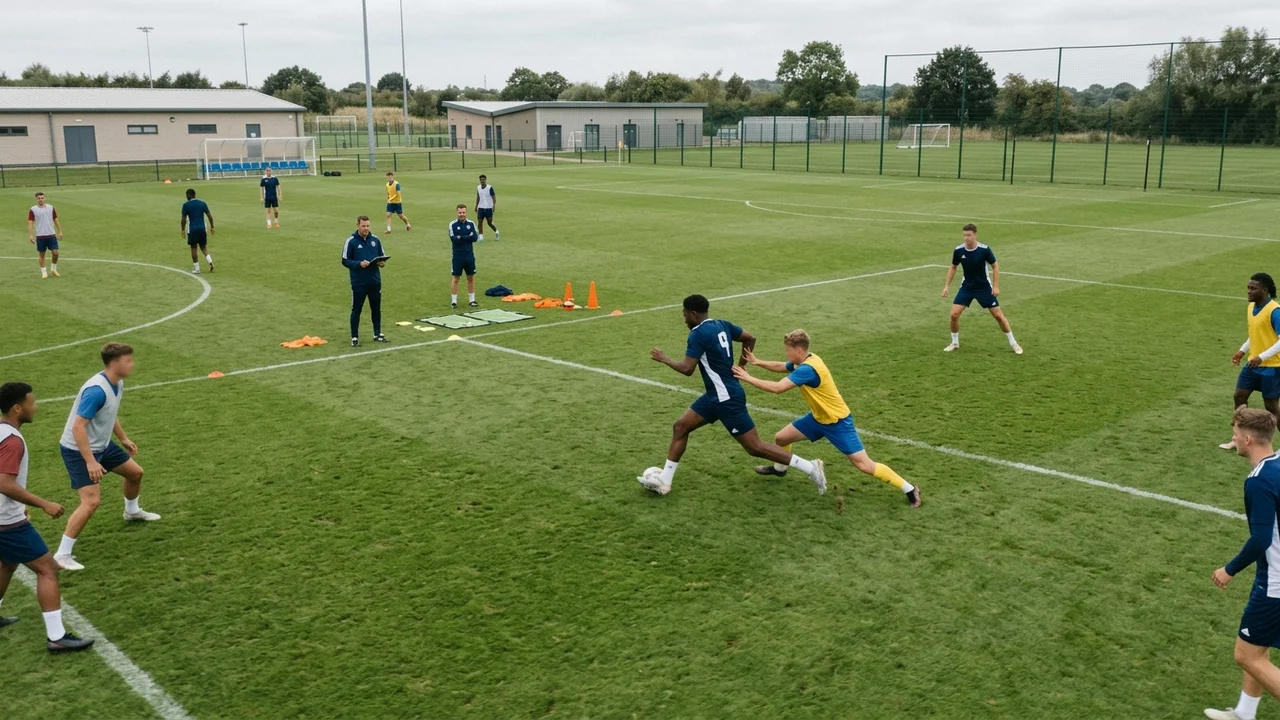
African football talent flourishes due to improved youth academies and grassroots initiatives. These efforts nurture potential and elevate skills. Key factors include:
- Enhanced coaching techniques
- Access to quality training facilities
- Partnerships with European clubs
- Exposure to international tournaments
- Development of local scouting networks
Youth academies and grassroots development
- Investment in grassroots programmes boosts local talent discovery.
- Youth academies focus on developing technical skills and discipline.
- Collaboration with European clubs enhances training methodologies.
Youth academies play a crucial role in the african football evolution. They nurture emerging talent, fostering skills that meet international standards. Grassroots development ensures a steady influx of promising players. This approach strengthens football’s foundation, promising a bright future.
Success stories of African players in European leagues
African players shine in European leagues with remarkable achievements. Stars like Sadio Mané and Mohamed Salah demonstrate the high calibre of African talent. Their performances captivate audiences and inspire young athletes across Africa. Clubs increasingly seek African players for their agility and skill. Such success stories highlight the continent’s growing football influence.
Infrastructure development in African football
Infrastructure in African football advances significantly. New stadiums emerge, enhancing matchday experiences and fan engagement. Investment in technology and training equipment elevates performance levels. Clubs and academies focus on state-of-the-art facilities, ensuring talent development. These enhancements boost local economies and attract international events, showcasing Africa’s growing football prowess.
New stadiums and facilities
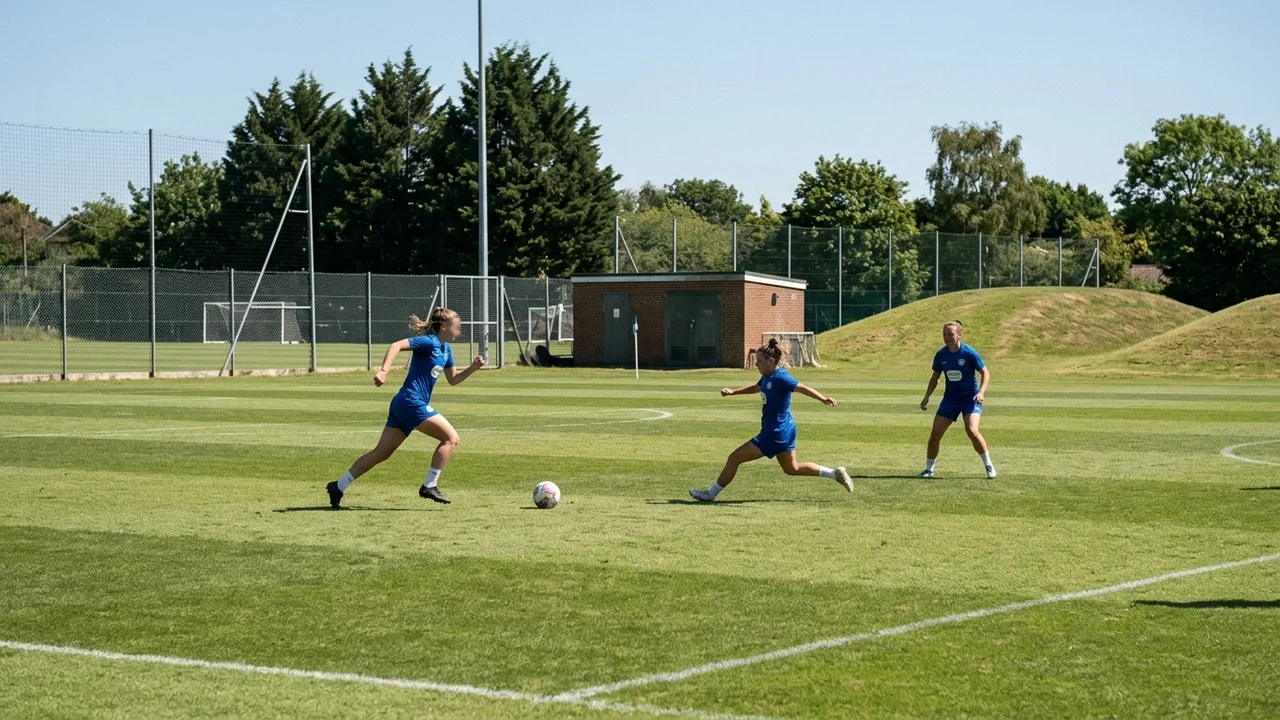
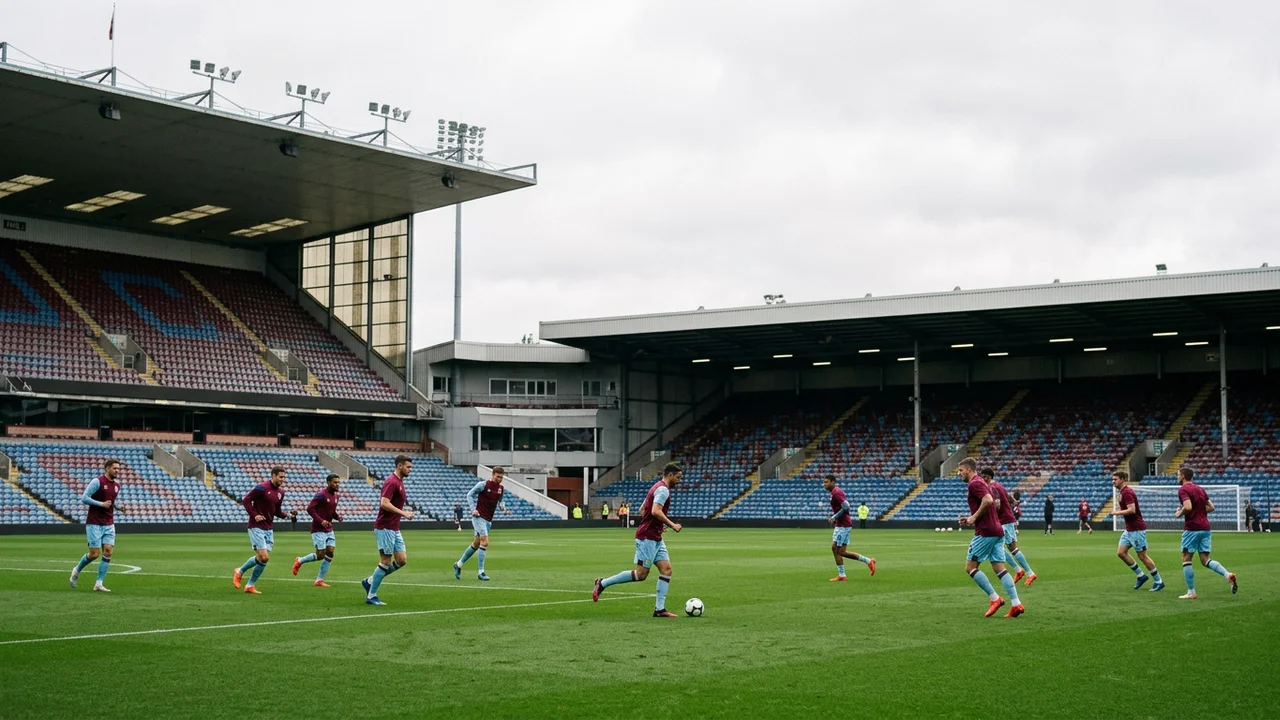
African football witnesses a surge in new stadiums and facilities, transforming the landscape. Countries invest significantly in state-of-the-art arenas, boosting both local and international matches. Modern facilities enhance player performance, offering top-tier training environments. Infrastructure improvements attract major tournaments, increasing global interest. These developments contribute to economic growth by creating jobs and stimulating tourism. Enhanced stadiums provide fans with improved experiences, fostering a vibrant football culture across the continent. This marks a pivotal shift in African football’s evolution.
Investment in technology and training equipment
African football witnesses significant investment in technology and training equipment, enhancing player development and performance. This evolution supports the rise of African football talent globally.
- Advanced data analytics
- Virtual reality training
- Wearable performance trackers
- State-of-the-art gym facilities
- Modern medical equipment
Economic impact of African football in 2025
African football’s economic footprint in 2025 marks a pivotal shift. The sport generates substantial financial benefits, influencing various sectors and creating opportunities for growth.
- Sponsorship deals boost revenue
- Broadcasting rights expand global reach
- Local economies thrive from matchday activities
Sponsorship and broadcasting rights
In 2025, sponsorship and broadcasting rights significantly boost African football’s visibility. Major brands invest heavily, recognising the continent’s growing fan base. Broadcasting deals expand, ensuring wider access to matches. These developments enhance revenue streams, contributing to the sport’s financial sustainability and global appeal.
Contribution to local economies
African football creates significant economic benefits. Clubs generate jobs, enhance tourism, and stimulate local businesses. Investments in stadiums and training facilities attract international matches, boosting revenue. Sponsorships and broadcasting rights contribute to economic growth. This sector’s expansion offers opportunities for sustainable development.
| Aspect | Impact |
|---|---|
| Job Creation | Thousands of positions in clubs and events |
| Tourism | Increased visitors for matches and events |
| Local Business | Boost in sales for nearby enterprises |
African football on the global stage
African teams increasingly compete in top international tournaments, showcasing talent and resilience. Their participation elevates the sport’s profile and attracts global attention.
| Competition | Recent Achievements |
|---|---|
| FIFA World Cup | Quarter-final appearances |
| African Nations Championship | Consistent growth |
Collaborations with global organisations enhance African teams’ strategic positioning. The evolution of continental football structures supports this global integration.
African teams in international competitions
African teams continue to make strides in international competitions, showcasing remarkable talent and strategy. Their participation in global tournaments highlights their growing prowess. Nations like Senegal and Nigeria regularly challenge traditional powerhouses. Enhanced coaching and tactical acumen play crucial roles. African football’s influence expands as teams deliver compelling performances, captivating fans worldwide. This evolution signals a promising future on the global stage.
Collaborations with global football organisations
African football collaborates with global organisations like FIFA and UEFA. These partnerships enhance training programmes and infrastructure. They facilitate talent exchange and coaching expertise, fostering growth. Such alliances also boost African teams’ visibility in international arenas, leading to increased global recognition and influence.
Challenges and opportunities for future growth
African football faces financial and administrative hurdles, such as insufficient funding and governance issues. Addressing these challenges requires strategic partnerships and enhanced transparency. Opportunities for growth include expanding global influence through improved infrastructure and talent development. Collaborating with international football bodies can boost resources and expertise. Harnessing these opportunities positions African football for sustainable growth and increased competitiveness.
Addressing financial and administrative hurdles
African football faces financial constraints, with inadequate funding and mismanagement persisting. Improved transparency in governance could attract more investors. Streamlined administrative processes enhance efficiency, while leveraging partnerships fosters sustainable growth. Addressing these hurdles ensures a robust future, potentially elevating African teams on the global stage.
Potential for increased global influence
African football’s potential for increased global influence hinges on strategic collaborations and market expansion.
- Partnerships with European clubs
- Expansion of broadcasting networks
- Development of African leagues
- Promoting local talent globally
- Enhanced international tournaments
- Investment in digital marketing
These initiatives can significantly elevate Africa’s football presence worldwide.
Common Questions
How have youth academies contributed to the rise of African football talent?
Youth academies provide structured training and education. They focus on skill development and professional pathways for young players. This enhances the pool of African football talent for both local and international clubs.
What role do new stadiums play in the evolution of African football infrastructure?
New stadiums offer modern facilities and improved conditions. They attract international tournaments and foster local fan engagement. This elevates the overall standard of football infrastructure in Africa.
How do sponsorship deals impact the economic landscape of African football in 2025?
Sponsorship deals inject significant funds into clubs and leagues. They enable better player salaries and enhanced marketing efforts. This boosts the economic sustainability of African football.
What are the main challenges African football faces in terms of financial management?
Financial mismanagement and corruption issues remain prevalent. Clubs struggle with budget constraints and inadequate governance. Addressing these challenges is crucial for sustainable growth.
How do African teams’ performances in international competitions influence their global reputation?
Strong performances increase global recognition and respect. They attract attention from scouts and investors. Successful teams enhance the perception of African football on the world stage.