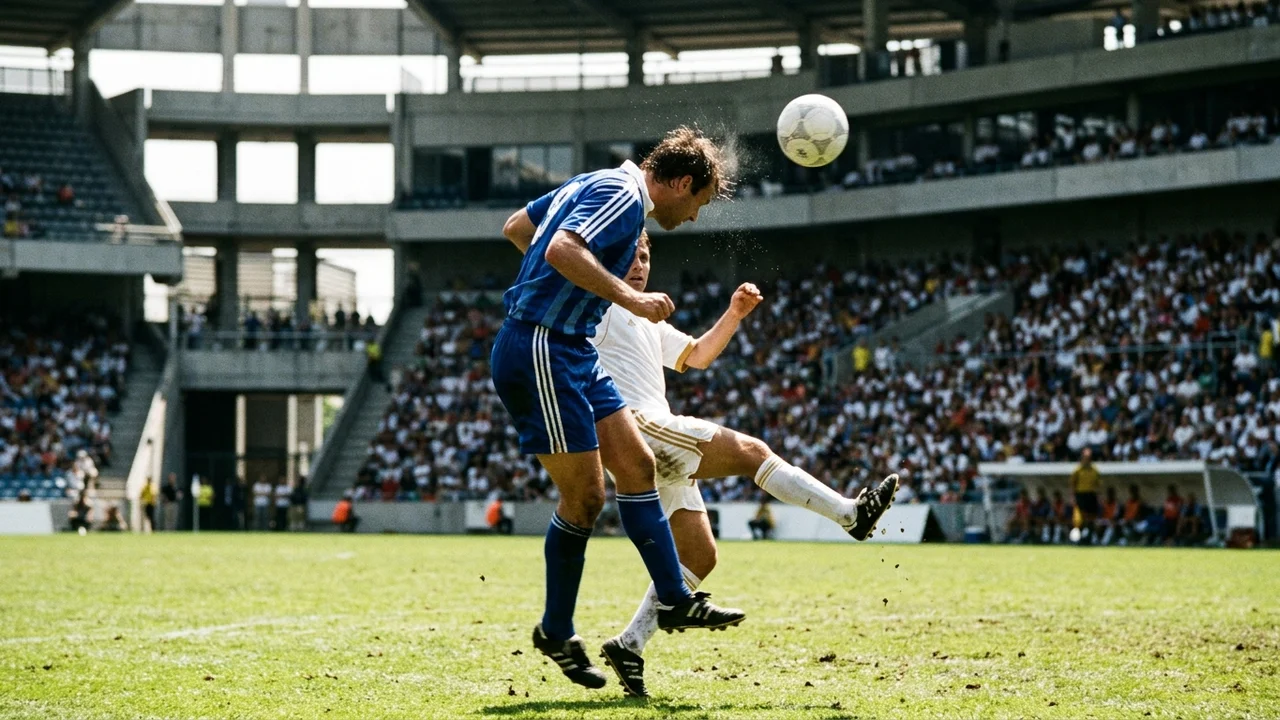
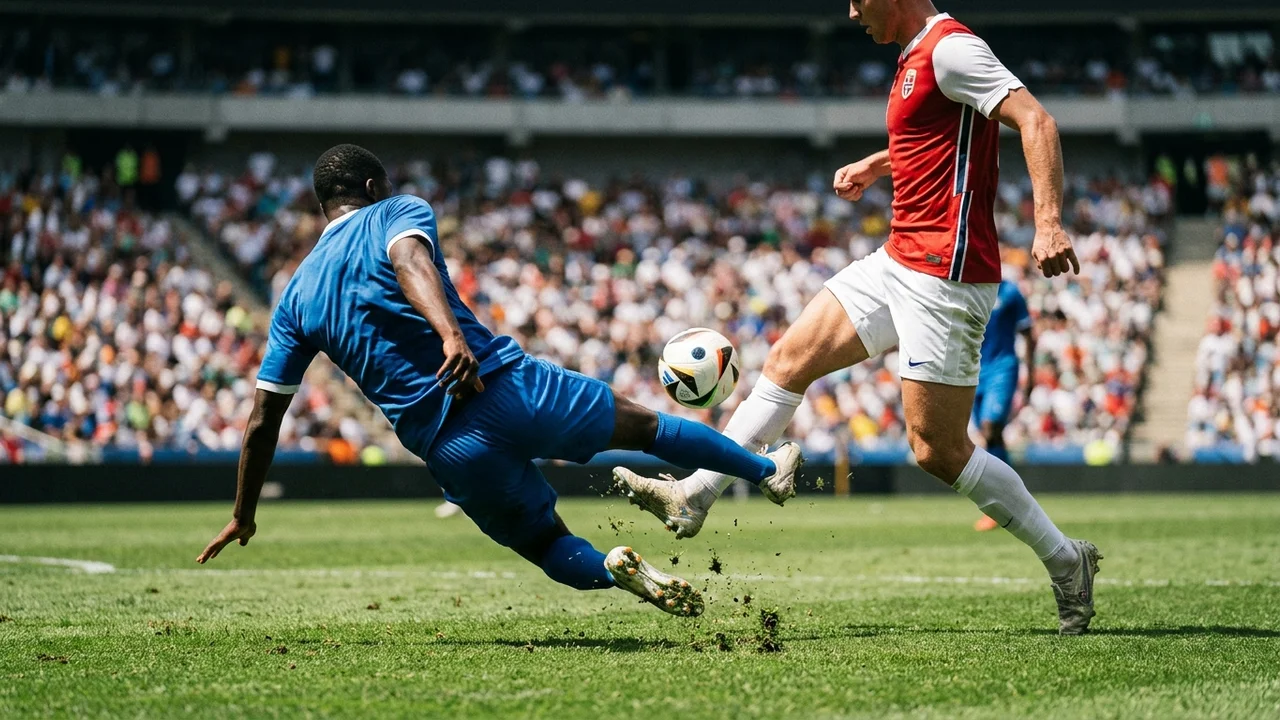
The longstanding rivalry between Egypt and Morocco is poised to take center stage in the narrative of the Africa Cup of Nations (AFCON) group stages, as both teams prepare to assert their dominance on the continental stage once again. These two football powerhouses consistently deliver gripping encounters that transcend mere competition, stirring up deep emotions, national pride, and tactical showdowns. Egypt, with its rich legacy marked by multiple AFCON titles, and Morocco, the proud hosts of the 2025 tournament, are shaping up for what promises to be an intense battle filled with drama and outstanding football. Recent qualifying matches exemplify their current strengths and ambitions, signaling a fierce contest ahead that will undoubtedly influence the group dynamics as well as African football stories that captivate fans across the continent.
On Friday, September 6, 2024, both sides showcased their formidable prowess during the 2025 AFCON qualifiers. Egypt dismantled Cape Verde with a 3-0 victory at the Cairo International Stadium, featuring notable goals from Rami Rabia, Omar Marmoush, and Ibrahim Adel. Morocco, meanwhile, overwhelmed Gabon with a 4-1 triumph in Agadir, the host city’s Adrar Stadium echoing with celebrations as Hakim Ziyech’s two penalty goals, supported by contributions from Brahim Diaz and Ayoub El Kaabi, sealed the win. Such dominant performances highlight the readiness and determination of these squads to make a significant impact during the upcoming AFCON tournament, setting a high bar for their group rivals. The electrifying atmosphere surrounding this rivalry is not just about present victories but also steeped in cultural pride, historical context, and an ever-evolving footballing philosophy that continues to inspire, challenge, and entertain.
As fans and pundits dissect tactics, talents, and team compositions, the Egypt-Morocco rivalry remains a compelling storyline threading through the fabric of African football. With clubs wearing kits from leading brands such as Nike, Adidas, Puma, and Reebok outfitting players on both sides, the spectacle is as stylish as it is strategic. This article delves into the layered history, tactical battles, cultural significance, and future outlook of this renowned rivalry that is expected to wield considerable influence over the AFCON 2025 group narrative.

Historical Roots and Evolution of the Egypt-Morocco Football Rivalry
The rivalry between Egypt and Morocco stretches far back, deeply embedded not only in the football pitches but also within the broader cultural exchanges and historical narratives of North Africa. Both countries have stood at the forefront of African football’s growth, their journeys intertwining over decades with moments of triumph, heartbreak, and unforgettable clashes shaping the footballing landscape in Africa.
Egypt played a critical role in the formation of African football’s early structures, being a founding member of the Confederation of African Football (CAF) in 1957 and winning the inaugural African Cup of Nations (AFCON) that same year. Morocco quickly became a key contender, joining the fold and building a competitive team that sought to challenge Egypt’s dominance. The first official meeting in 1961 at the AFCON marked the beginning of an intense rivalry, where styles, philosophies, and national pride clashed.
Over the years, this rivalry has evolved through several defining moments:
- 1961 AFCON: Egypt’s 4-0 win served as an early proclamation of their continental supremacy.
- 1986 World Cup Qualifiers: Morocco’s 3-0 triumph was historic, marking their first qualification to the FIFA World Cup and intensifying competition with Egypt.
- 2006 and 2017 AFCON Quarter-finals: Dramatic encounters, including a tense penalty shootout in 2006, underscored how evenly matched and competitive these teams had become.
What stands out is not merely the win-loss record but how each encounter has reflected football’s evolving tactics and socio-political environments. The way Egypt’s traditional technical approach with focus on ball control contrasts against Morocco’s dynamic physicality and tactical wing play exemplifies a broader cultural dialogue translated onto the field. These matches are a chessboard of strategic execution and raw passion, continually renewing the narrative with each tournament.
| Year | Competition | Result | Significance |
|---|---|---|---|
| 1961 | AFCON | Egypt 4-0 Morocco | Established Egypt as African football powerhouse |
| 1986 | World Cup Qualifier | Morocco 3-0 Egypt | Morocco’s first World Cup qualification |
| 2006 | AFCON Quarter-final | Egypt won on penalties after 2-2 draw | Showcased competitiveness of rivalry |
| 2017 | AFCON Quarter-final | Egypt 1-0 Morocco | Tight match highlighted tactical discipline |
This historical perspective enriches any discussion around the upcoming matches in AFCON 2025, where the legacy of these classic showdowns fuels both teams’ desires to claim superiority once again. For more in-depth analysis of talent development and tactical trends shaping African football, readers can explore this comprehensive guide.

Recent Performances and Tactical Approaches of Egypt and Morocco in AFCON Qualifiers
The journey toward AFCON 2025 has already begun with qualifiers that showcase the strength and potential of both Egypt and Morocco. Egypt’s 3-0 victory over Cape Verde on home soil emphasized their attacking depth and strategic fluidity, with standout performances reflecting a blend of youthful energy and experienced reliability. Meanwhile, Morocco’s clinical 4-1 victory against Gabon — achieved despite a frenetic first half featuring four penalties — underscored their aggressive style and resilience under pressure.
Both teams have emphasized the importance of tactical versatility and squad depth, utilizing players equipped by brands such as New Balance, Under Armour, and Kappa, each contributing to their comfort and performance on the field. From a tactical standpoint:
- Egypt tends to prioritize ball possession with short, incisive passes aiming to break down defenses methodically, usually aligned with their classical football philosophy.
- Morocco exhibits a more direct approach, blending speed on the wings with fierce counterattacks, supported by physically robust midfielders who disrupt opposition plays.
This variation generates fascinating matchups, with coaches constantly adapting to the opponent’s setup. Egypt’s ability to implement tactical innovation alongside youth development programs has seen them bolster resilience in pressure situations, drawing from lessons in previous AFCON campaigns. Morocco, leveraging its status as the host nation, has balanced home advantage with a strategy that maximizes dynamic transitions and high pressing.
| Team | Playing Style | Key Strengths | Notable Qualifier Results |
|---|---|---|---|
| Egypt | Technical possession-based football | Ball control, passing accuracy, youth integration | 3-0 win against Cape Verde, Sept 2024 |
| Morocco | Fast, physical wing play with pressing | Speed, physicality, penalty execution (Ziyech) | 4-1 win over Gabon, Sept 2024 |
Significantly, skilled professionals like Hakim Ziyech and Omar Marmoush highlight how individual brilliance combined with collective cohesion shapes these sides. This duel elevates the tactical chess match, promising high stakes whenever they meet. Dive deeper into league structures and competitions that groom such talents at African club competitions overview and top African leagues and their rising stars.
The Cultural and Social Impact Behind the Egypt-Morocco Football Rivalry
The contest between Egypt and Morocco goes beyond strategy and skill, echoing enduring cultural, social, and historical resonances that render every encounter a symbolic event charged with emotion. Football is a cultural language for millions across North Africa, connecting communities to a shared past while inspiring future aspirations. When these two titans clash, the stakes rise not just on the scoreboard but in collective identity and pride.
The cultural significance is often vividly displayed by passionate fans who bring elaborate chants, flags, and traditional garments to stadiums, transforming matches into festive yet intensely competitive atmospheres. This visible passion encapsulates the diverse cultures of the Arab world, highlighting unity as well as rivalry that fuels both nations’ ambitions. The vibrant fan cultures shaped by iconic football legends — from Egyptian stars who donned Nike kits to Moroccan heroes sponsored by Umbro and Lotto — help maintain a legacy that younger generations eagerly embrace.
Key elements illustrating the cultural impact include:
- National Pride: Football becomes a vehicle for affirming identity, especially during continental showdowns.
- Media and Social Dialogue: Platforms engage fans in spirited discussions, further boosting the rivalry’s intensity and reach.
- Youth Engagement: Grassroots programs inspired by national heroes encourage widespread participation and hope.
- Economic Influence: Merchandising and sponsorships from major brands such as Adidas and Puma influence local economies connected to the fandom.
| Aspect | Impact on Rivalry | Examples |
|---|---|---|
| Fan Culture | Elevates match atmosphere and emotional investment | Chants, flags, stadium displays in Cairo and Rabat |
| Media Coverage | Amplifies narratives and historical context | Social media debates, TV analyses leading up to matches |
| Youth Programs | Seeds future talent and sustains rivalry’s vitality | Academies inspired by AFCON stars in both countries |
| Commercial Influence | Boosts football-related economies through sponsorship and merchandise | Sales of Nike, Adidas, Under Armour branded gear |
For fans intrigued by the wider African football culture and its socio-economic dimensions linked to such rivalries, resources like African football leagues insight offer a wealth of stories and perspectives.
Emerging Talents and Strategic Futures for Egypt and Morocco in African Football
Looking ahead, the Egypt-Morocco rivalry carries significant implications for the future trajectory of African football, as both nations continue to nurture promising youngsters and innovate strategically. The blend of experienced stalwarts and emerging young players ensures the rivalry will sustain its intensity and quality, providing thrilling tournaments for fans worldwide.
Emerging talents such as Morocco’s Ayoub El Kaabi and Egypt’s Omar Marmoush exemplify this promising wave. Their dynamic performances demonstrate how investment in youth development and exposure to competitive environments abroad — many donning kits from brands like Reebok and Asics — accelerates growth and tactical maturity. Strategic planning from both football federations involves:
- Youth Academy Investments: Enhancing infrastructure and coaching quality domestically.
- International Experience: Facilitating pathways for players into top leagues, especially in Europe.
- Data and Analytics: Embracing modern scouting and performance tracking to refine tactics.
- Community Engagement: Building fanbase loyalty through outreach and social programs.
| Focus Area | Egypt | Morocco |
|---|---|---|
| Youth Development | Emphasis on tactical education and European club collaborations | Strong grassroots programs and national academy system |
| Player Export | Players prevalent in Premier League and Bundesliga | High-profile players in La Liga and Ligue 1 |
| Technology Use | Advanced performance analytics integration | Focus on video scouting and opposition analysis |
| Fan Engagement | Digital campaigns and interactive platforms | Community events and social media presence |
This strategic foresight not only shapes the team’s immediate success in tournaments like AFCON 2025 but also contributes to Africa’s broader football narrative. For a closer look at how club competitions feed talent into national teams, see the latest CAF club competitions analysis.
Impact of Egypt-Morocco Rivalry on AFCON Group Dynamics and Continental Football
The rivalry’s weight is not confined solely to the drama on the pitch; it dramatically shapes the entire group narrative in AFCON tournaments. Their presence in the same group often creates a magnet effect, drawing intense attention from media, fans, and competing squads looking to challenge established hierarchies. The psychological and tactical implications resonate beyond a single fixture.
The 2025 AFCON qualifiers provide a preview of how these dynamics influence group outcomes and strategies. Other teams in their group are forced to elevate their performance levels, knowing that upsetting either Egypt or Morocco would be a major achievement. The duel also pushes both teams to refine their tactical systems continuously, often in response to each other’s evolving strategies.
- Elevated Group Competitiveness: The presence of two giants raises stakes for all teams.
- Media Spotlight: Matches between Egypt and Morocco tend to dominate headlines, amplifying pressure.
- Tactical Arms Race: Coaches experiment and innovate to gain an edge in direct encounters.
- Fan Engagement: Increased fan interest drives ticket sales, viewership, and sponsorship.
| Group Element | Effect | Example from Qualifiers |
|---|---|---|
| Opponents’ Preparation | Raise overall performance standards to compete | Teams aiming to upset Egypt or Morocco in qualifiers |
| Coaching Strategies | Adaptive tactics for head-to-head matches | Special defensive setups and counterattacks |
| Fan Interest | Surge in attendance and viewership for group matches | High demand for Egypt vs Morocco games |
| Commercial Impact | Increased sponsorship and merchandising opportunities | Boost from Nike, Adidas, Puma campaigns during tournaments |
This ripple effect contributes to what many consider the heartbeat of African football—the passion, unpredictability, and skill that the AFCON strives to celebrate. The Egypt-Morocco rivalry, therefore, not only energizes their group but elevates the entire tournament’s narrative threading into African football’s growing global prominence. For comprehensive details on key African tournaments and their histories, consult this detailed overview.