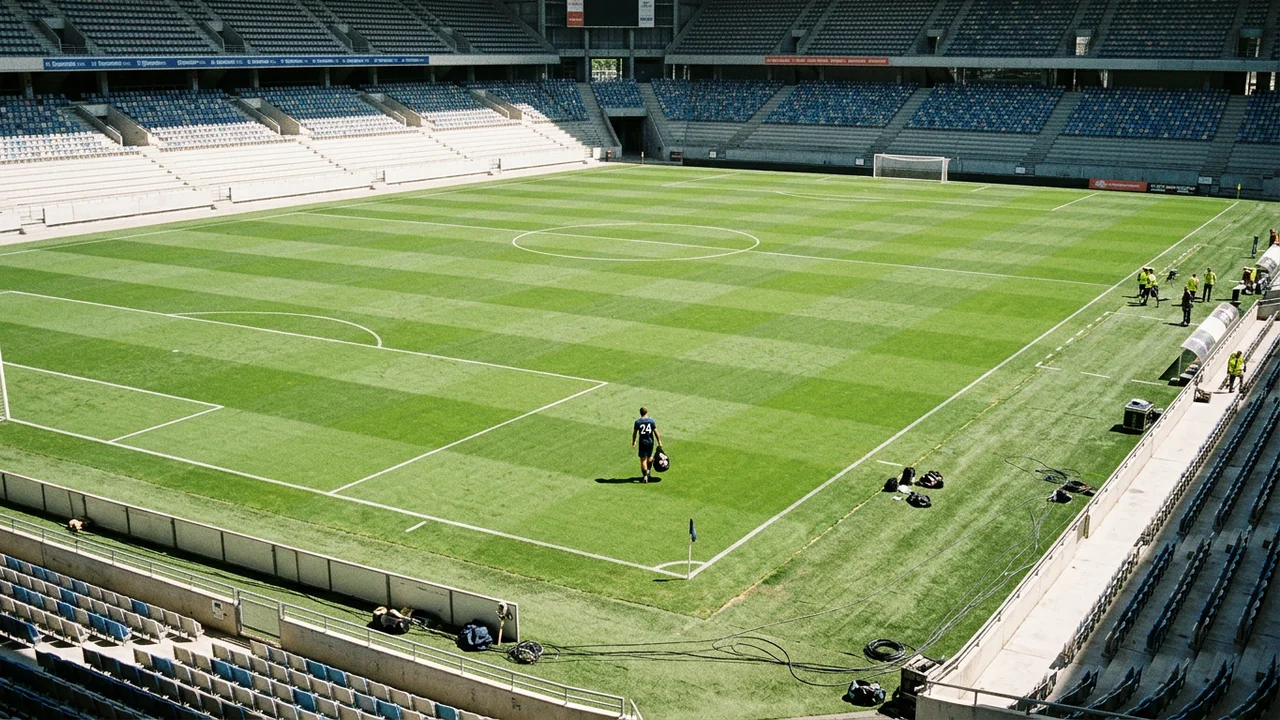
The upcoming 2025 Africa Cup of Nations (AFCON) in Morocco promises to be a thrilling affair, blending Africa’s established football giants with a rising tide of underdog teams eager to redefine their place in the continental hierarchy. As Morocco prepares to showcase its passion and infrastructure for the second time after 1988, the tournament expands to 24 nations, underscoring the growing competitiveness within African football. While powerhouses like Senegal, Egypt, Nigeria, Algeria, Tunisia, and Ivory Coast naturally draw the spotlight, the qualifiers have unveiled new and returning nations whose hunger and unpredictability might just turn heads in the months ahead.
From Botswana’s return after more than a decade to Mozambique’s last-minute clinch of the final spot, the tournament’s lineup is a mosaic of football cultures and ambitions. Emerging teams such as Comoros, Sudan, and Tanzania have carved their way into the finals, fueled by grassroots passion and promising talents eager to upset the established order. This collision of veteran excellence and underdog fire sets the stage for one of AFCON’s most dynamic editions yet, offering fans both drama and inspiration.
In a continent where football is more than a sport—it’s identity, unity, and hope—these underdog stories resonate deeply. The journey to Morocco is as much about legacy as it is about writing new chapters of excellence. This exploration delves into which lesser-fancied teams could emerge as surprise contenders, their potential impact shaped not just by skills and tactics but by spirit and story.

Underdog nations bringing fresh energy to AFCON Morocco 2025
Every AFCON edition injects unexpected chapters into African football folklore, with underdog teams often playing the role of exhilarating disruptors. Morocco 2025 features a handful of such hopefuls, teams that have battled fiercely through qualifiers and found new momentum on the continental stage. Their presence points to a broader evolution in African football, where depth and competitive balance keep growing.
Among the standout surprises is Botswana, whose return after a 12-year absence signals renewed ambition and growth within its football infrastructure. Their qualifiers’ journey was marked by resilience amid stiffer competition, signaling a squad that blends seasoned professionals with emerging stars hungry for recognition. The tactical discipline and rising domestic talent pool could help Botswana challenge more established sides.
Similarly, Mozambique‘s dramatic qualification, clinched by a narrow 2-1 victory over Guinea-Bissau, demonstrates their fighting spirit. Mozambique’s football federation has invested heavily in youth and coaching development, which could translate into a disciplined, energetic team ready to exploit any underestimation by traditional heavyweights. Their participation adds diversity and unpredictability to the tournament’s fabric.
Not to be overlooked, Tanzania and Comoros both reached the finals after impressive qualifying campaigns, embodying the rise of football nations once considered outside the spotlight. Tanzania’s blend of physicality and tactical adaptability has matured significantly, with several players gaining experience in competitive African and European leagues. Comoros, on the other hand, continues to build on the surge of enthusiasm they created with their strong AFCON debut, capitalizing on a burgeoning football culture and inspiring stories of perseverance from their diaspora talents.
- Botswana: Return after 12 years with renewed infrastructure and talent
- Mozambique: Last-minute clinch demonstrating determination and youth development
- Tanzania: Physical and tactical growth with players gaining European experience
- Comoros: Building on AFCON debut momentum, leveraging diaspora talent
- Sudan and Benin: Final-day qualifiers showing resilience and ambition
| Underdog Nation | Qualifying Highlights | Key Strengths | Potential Impact |
|---|---|---|---|
| Botswana | Qualified after 12-year absence | Emerging domestic talent, tactical discipline | Dark horse capable of neat defensive displays |
| Mozambique | 2-1 victory over Guinea-Bissau for final spot | Youth development, fighting spirit | Energetic squad to challenge favorites |
| Tanzania | Strong qualifying performance | Physicality, adaptability | Potential giant-killer |
| Comoros | Consolidating AFCON debut progress | Passionate fanbase, diaspora talent | Inspiration-driven team |
| Sudan & Benin | Final day qualification drama | Experience, hunger to prove | Up for difficult matches |

The evolving landscape of African football and the rise of new challengers
The 2025 TotalEnergies CAF Africa Cup of Nations in Morocco highlights a broader shift in the ecosystem of African football, where emerging nations are increasingly capable of challenging the established giants. Historically dominant countries like Senegal, Egypt, Ivory Coast, and Nigeria have been bastions of football excellence, but the depth of talent and tactical innovation elsewhere cannot be underestimated.
Teams such as Mali, Angola, and Gabon are examples of competitive forces that blend experience with youthful exuberance. Mali, in particular, has returned strong after solid qualification performances, benefitting from players seasoned in Europe’s top leagues. Their technical style and solid team cohesion could disrupt favorites and sow unpredictability in group stages.
The increasing professionalism of leagues across Africa plays a vital role. Countries like Algeria and Tunisia have invested in nurturing homegrown talent while simultaneously exporting stars to competitive European leagues, raising the overall standard of their national teams. The competitive qualification races underscore this trend—nations once considered outside the elite now fight tooth and nail to break into the AFCON bracket.
Another layer within this evolution is the influence of African players trained or inspired by legends, described in detailed accounts like those found at African Football HQ. This connection to the continent’s football icons fuels ambition and excellence even in countries still finding their footing on the international stage.
- Emergence of competitive leagues across Africa strengthening national squads
- Influence of African legends inspiring new football generations
- Improved tactical approaches blending African flair with European discipline
- Youth player integration boosting depth and resilience
- Balanced qualification groups fostering intense competition
| Nation | Recent AFCON Performance | Player Base | League Development | Impact |
|---|---|---|---|---|
| Mali | Regular quarter-finalist | European league stars | Steady domestic improvement | Challengers to medal contention |
| Angola | Qualified consistently | Balanced local and foreign players | Growing domestic leagues | Competitive but under-recognized |
| Gabon | Occasional strong showings | Star players abroad | Investment in youth programs | Dark horse potential |
| Algeria | Continental champions in recent history | High-profile internationals | Robust professional league | Top contender reputation |
| Tunisia | Consistent qualifiers, quarterfinalists | Strong local talent | Established league system | Steadfast regional power |
This evolving landscape not only increases the depth of the competition but enriches the tactics and styles displayed, promising fans a tournament where every match could hold surprise twists.
The significance of Morocco hosting AFCON and its influence on underdog teams
Morocco’s role as host plays a crucial part in the dynamics of AFCON 2025. Having successfully staged major football events like the 2018 African Nations Championship, the 2022 Women’s Africa Cup of Nations, and the 2023 FIFA Club World Cup, Morocco has established itself as a reliable and passionate football hub. The 2025 tournament will showcase extensive renovations and expansions of iconic stadiums like Mohammed V in Casablanca and Ibn Batouta in Tangier, setting a grand stage for both favorites and underdog nations.
What makes Morocco’s hosting particularly impactful for underdog teams is the environment of heightened exposure and opportunity. The nation’s rich football culture, combined with state-of-the-art facilities, offers lesser-known teams a spotlight to display talents on a grand scale. Playing in stadiums filled with passionate fans can galvanize underdog squads, offering them unforgettable experiences that drive inspired performances.
Additionally, the geographic location ensures diverse fan representation across the continent, creating a melting pot of cheering cultures that encourages vibrant atmospheres, unlike any other. This setting could empower teams like Tanzania, Botswana, and Comoros to rise above their status as outsiders.
- Morocco’s proven record in hosting seamless football events
- Upgraded stadiums offering world-class playing environments
- Passionate and diverse fan bases enriching matchday atmospheres
- Increased media exposure through international broadcast partners
- Opportunity for underdogs to gain continental and global recognition
| Host Advantage Element | Description | Expected Impact on Underdogs |
|---|---|---|
| Modern Venues | Upgraded stadiums across Casablanca, Rabat, Tangier, and more | Boost player morale; enhance quality of play |
| Fan Atmosphere | Diverse and passionate crowds representing many nations | Motivational energy for lesser-known teams |
| Media Coverage | Extensive international broadcasting partnerships | Raised profile and scouting opportunities |
These factors combine into an environment ripe for memorable upsets and breakthrough performances, adding an electrifying edge to the competition’s narrative.

Key underdog players and their potential to shift the AFCON balance
Individual talents often tilt the scales in AFCON tournaments, and 2025 is no different. Countries like Botswana, Tanzania, and Comoros boast emerging stars who not only symbolize hope for their nations but carry the potential to spark unforgettable results. Their stories intertwine with the wider African football ecosystem, echoing the narratives found in platforms like African Football HQ’s weekly updates that keep fans informed about in-form players and tactical shifts.
The rising generation benefits from mentorship and inspiration drawn from legends of Nigeria, Cameroon, and Ghana, football powerhouses whose legacy continues to shape Africa’s talent pool. For instance, a young Botswana striker trained in European academies brings pace and precision that could trouble defenses of traditionally stronger nations. Tanzania’s midfield maestro, with his blend of creativity and physicality, stands poised to unlock stubborn defences, while Comoros’ attacking forward exploits his club experience in French leagues to challenge the continental elite.
These players symbolize more than just footballing skill; they embody narratives of perseverance and ambition, vital elements in a tournament filled with emotional highs and tactical battles. Their breakout performances could be decisive factors in group stage success or knockout surprises.
- Botswana’s youthful striker trained in European academies
- Tanzania’s creative and physically dominant midfield playmaker
- Comoros’ French-league based forward with scoring prowess
- Sudan and Benin’s experienced leaders motivating squads
- The impact of mentorship from African football legends
| Player | Nation | Club Experience | Potential Role in AFCON | Strengths |
|---|---|---|---|---|
| Kabelo Mogobe | Botswana | European academy graduate | Leading striker role | Speed, finishing skills |
| Baraka Athumani | Tanzania | Plays in competitive African league | Creative midfield orchestrator | Vision, physical endurance |
| Faïz Selemani | Comoros | French Ligue 2 forward | Goal scoring and pressing | Technique, adaptability |
The emergence of these individuals illustrates the expanding talent pool across Africa and the potential for underdog scenes to sparkle on the grandest stages.
Lessons from previous AFCON tournaments for expecting surprising underdog performances
History repeats itself in African football, where unlikely heroes and dark horses have etched unforgettable moments. The legacy of past AFCON tournaments offers valuable insights into how underdog nations can not only compete but excel against traditional heavyweights.
Recall how Tunisia’s qualifying campaigns once seemed improbable, yet the team steadily transformed into consistent contenders through tactical evolution and embracing youth development. Similarly, Senegal shocked the continent with their triumphant run in recent years, fueled by a golden generation and a high-performing tactical system.
Multiple editions have celebrated narratives of teams flying under the radar, such as Madagascar’s stunning 2019 quarter-final appearance, which inspired countless fans and players across Africa. The lessons are clear: unity, tactical discipline, and seizing moments of opportunity often override sheer pedigree. Underdog teams that have a strategic approach to managing pressure and harnessing team spirit can upset even the most polished opponents.
AFCON 2025 will also see the benefit of improved scouting networks and richer data analysis, tools that underdog nations now access thanks to modern media coverage and dedicated platforms, including insights into CAF competitions’ success secrets. This equalizes preparation levels and opens the door to tactical innovations that could derail favorites.
- Underdogs benefit from cohesive teamwork and strong tactics
- Use of modern scouting and data analytics enhances competitiveness
- Psychological resilience and ability to manage pressure crucial
- Examples from Madagascar and other surprise performers
- Leveraging media coverage for wider recognition and motivation
| Year | Team | Achievement | Key Factors | Impact on African Football |
|---|---|---|---|---|
| 2019 | Madagascar | Quarter-finals | Unity, home support | Inspired underdog belief continent-wide |
| 2021 | Senegal | Champions | Golden generation, tactical strength | Raised the bar for African excellence |
| 2004 | Tunisia | Champions (host) | Strong organization, youth commitment | Established a new footballing model |
| 2012 | Zambia | Champions | Motivation, perseverance | Demonstrated the power of belief |