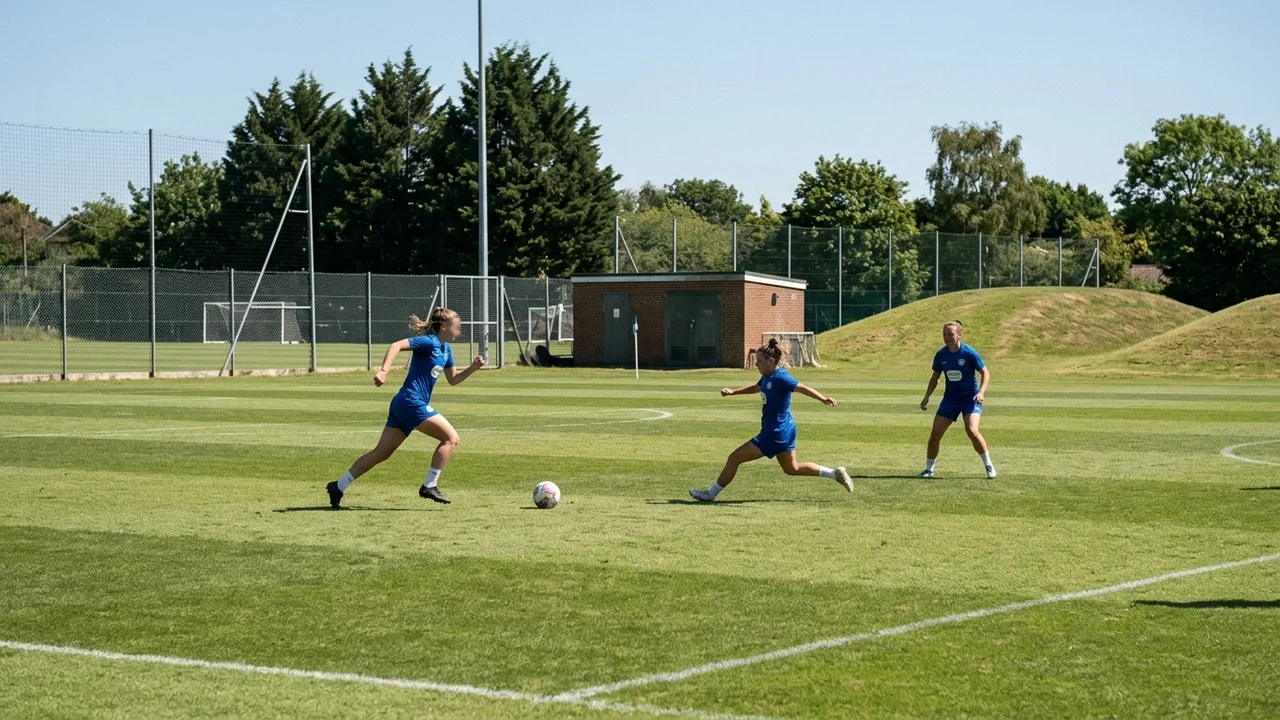
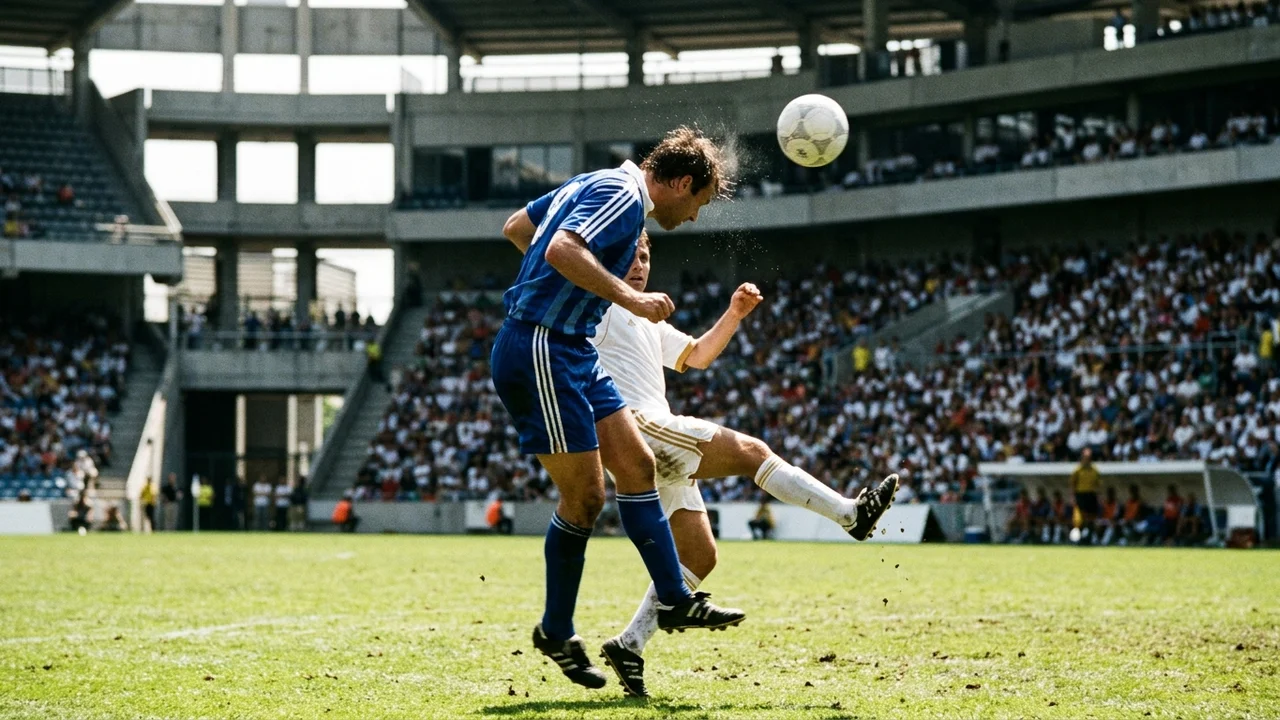
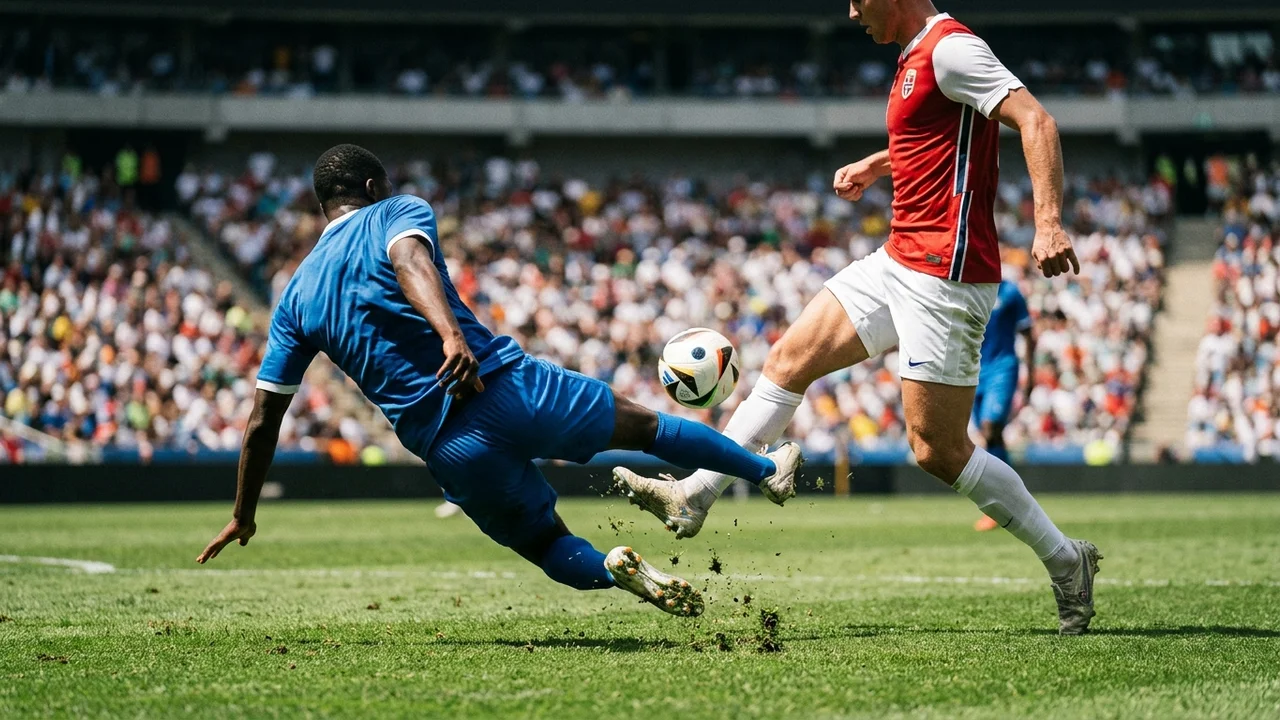
The anticipation around the upcoming Africa Cup of Nations (AFCON) qualifiers between Zambia and Ivory Coast is bubbling with intensity. In a critical Group G clash, these two African football titans prepare to reignite a rivalry that holds more than just three points at stake. Zambia, known affectionately as the Copper Bullets, are on a determined quest to secure their spot in the 2025 tournament, a stage they have missed for three consecutive editions despite their glorious history, including a major triumph in 2012. On the other side, Ivory Coast, the reigning AFCON champions and hosts for the next tournament, bring a potent blend of experience and talent to the pitch as they aim to cement their dominance in the group phase.
What makes this matchup more gripping is the shot on target tally dynamics that could dictate the tempo and outcome of the game. With both teams showcasing contrasting forms and strategies since their last meeting, every shot aimed at the goal carries the weight of hope and the burden of expectation. Zambia’s resilience and recent victories in their group contrast with Ivory Coast’s unbeaten streak and superior scoring efficiency, setting a compelling stage for a tactical showdown.
This preview delves deep into the shot statistics, player performances, and tactical setups that define the current phase of Group G. We explore how each team’s offensive and defensive executions shape their shot accuracy and opportunities, providing a clear lens on which side might tip the scales. From key player matchups to the influence of home advantage and injuries, this analysis promises to enrich any fan’s understanding of the game’s nuanced storytelling, delivering insights much beyond the final scoreline.

Analyzing Zambia’s Shot on Target Strategy in AFCON Group G
Zambia’s journey in the AFCON qualifiers has been a rollercoaster of tactical evolution, with their shot on target statistics revealing much about their offensive intentions and challenges. The Copper Bullets, under the tactical guidance of Avram Grant, have deployed a strategy focused on quick transitions and exploiting wide areas to create shooting opportunities, yet the finishing has sometimes faltered at critical moments.
In recent qualifiers, Zambia’s accuracy in terms of shots on target has hovered around a moderate level, with the team managing to convert only a fraction of their chances under clear shooting conditions. Patson Daka, the nation’s star forward, has been a crucial asset, providing poise and sharpness inside the box. Despite injuries sidelining him recently, his presence influences how Zambia shapes its attacks, compelling midfielders to seek alternative routes to lock in shots on goal.
Several factors contribute to Zambia’s shot on target tally:
- Midfield Dynamics: The midfield duo’s ability to distribute the ball precisely under pressure influences the quality of chances that reach the frontline.
- Wide Play Utilization: By leveraging players adept with Nike and Puma boots providing pace and control, the teams push for crosses aimed at increasing shot variety and unpredictability.
- Opponent Defensive Weaknesses: Identifying and penetrating zones where Ivory Coast’s defense shows vulnerability to create higher-quality shooting positions.
The tactical discipline of the Copper Bullets reflects in their statistics, but the gap between possession dominance and actual shots on target shows a need for clinical finishing. The team has recently improved corner conversions as per African Football HQ, which could translate into increased threat levels from set-pieces, adding another dimension to their attacking prowess.
| Match | Shots on Target | Total Shots | Goals Scored |
|---|---|---|---|
| Zambia vs Comoros | 5 | 12 | 2 |
| Zambia vs Lesotho (March) | 6 | 15 | 3 |
| Zambia vs Ivory Coast (Last Meeting) | 4 | 10 | 1 |
This pattern underscores the balance between creating multiple chances and their conversion rate, a crucial factor heading into the more decisive encounters ahead.

Ivory Coast’s Dominance Through Shot Accuracy and Offensive Control
Ivory Coast’s gameplay in 2025 remains a study in striking efficiency and tactical composure. The reigning champions exhibit clinical finishing combined with an attacking rhythm that rarely allows opponents to breathe. Les Éléphants, spearheaded by stars such as Franck Kessie, Ibrahim Sangaré, and Sebastien Haller, have reliably translated their possession and territorial dominance into shots on target, reflecting their attack-minded philosophy.
Ivory Coast’s approach mixes controlled build-up play with sudden bursts of speed, thanks to players equipped with top brands like Adidas and Under Armour, blending comfort with performance technology to enhance agility and precision. Their ability to find space and exploit weaknesses commonly yields high-quality shots, which statistically prove their place atop Group G.
- Attacking Midfield Creativity: The midfield orchestrates attacks with flair and intelligence, creating ambush points for shooters.
- Set-piece Threat: With practiced routines and well-knitted coordination, corners and free kicks have been a consistent source of shots on target.
- Defender Support: Fullbacks and center-backs contribute to offensive cycles through overlapping runs and key passes, expanding shooting options.
Recent games have seen Ivory Coast maintain a clean sheet while firing multiple accurate shots, a testament to their balanced focus on both attack and defense. Their record boasts an impressive string of home victories, amplifying their confidence as they prepare for home fixtures.
| Match | Shots on Target | Total Shots | Goals Scored |
|---|---|---|---|
| Ivory Coast vs Comoros | 8 | 18 | 3 |
| Ivory Coast vs Lesotho | 6 | 14 | 2 |
| Ivory Coast vs Zambia (Last Meeting) | 7 | 16 | 3 |
Ivory Coast’s sustained performance highlights the importance of precision shooting and tactical adaptability in their quest to extend their legacy and remain the team to beat in African football.
Key Player Contributions Influencing Shot on Target Ratios
The numbers tell one story, but the players’ individual contributions add heartbeats to the statistics. Both Zambia and Ivory Coast rely heavily on key talents to elevate their shot on target tallies, anchoring the teams’ offensive outputs.
For Zambia:
- Patson Daka: Once fully fit, Daka’s movement and precision shooting offer a potent threat inside the penalty area. When on the field, he tends to create or take at least 3 shots on target per match, showcasing his sharpness in front of goal.
- Fashion Sakala: Though recently omitted for personal reasons, his ability to find shooting lanes from the wings often opens scoring chances for others.
- Frankie Musonda: His presence in defense adds to build-up play, indirectly influencing offensive chances and set-piece shots.
For Ivory Coast:
- Franck Kessie: Midfield dynamo known for shooting from distance with accuracy, contributing significantly to Ivory Coast’s shots on target tally.
- Ibrahim Sangaré: Combines passing prowess and late runs into the box, often getting shots off that unsettle defenses.
- Sebastien Haller: The striker combines physicality with finesse, regularly registering multiple shots on target in every game he plays.
The blend of these players’ qualities illustrates how vital individual skill and decision-making are, alongside collective team strategy, in influencing shot on target success. Their footwear choices often reflect performance priorities, with Nike and Adidas favorites among these stars for their blend of comfort and cutting-edge technology promoting sharper instincts on goal.
| Player | Team | Average Shots on Target per Match | Goal Conversion Rate (%) |
|---|---|---|---|
| Patson Daka | Zambia | 3.2 | 25 |
| Franck Kessie | Ivory Coast | 2.8 | 22 |
| Sebastien Haller | Ivory Coast | 3.5 | 28 |
The data reflects not only consistency but also the intensity each player brings to turning attempts into goals, a decisive factor in tightly contested matches.

The Tactical Chess Between Zambia and Ivory Coast in Group G Qualifiers
Watching the shot on target tally evolve over the qualifiers reveals a deeper tactical chess match between Zambia and Ivory Coast. Each coach aims to tailor approaches that not only maximize offensive opportunities but also neutralize the opposition’s strengths.
Zambia’s tactical considerations include:
- Compact Midfield Structure: Designed to intercept Ivory Coast’s fluid passing and limit their shooting positions.
- Counterattack Speed: Leveraging quick breaks to force Ivory Coast’s defenders out of position and create open shooting lanes.
- Set-Piece Specialization: Enhancing training around corner kicks and free-kicks to boost scoring chances despite lower ball possession.
Ivory Coast’s approach revolves around:
- Possession-Based Domination: Controlling the tempo and building up play meticulously to find prime shooting opportunities.
- Wide Player Utilization: Employing wingers to stretch Zambia’s defense and deliver crosses that increase shots inside the box.
- High Pressing: Forcing turnovers to gain quick re-possession and shoot before Zambia’s compact defensive formation sets up.
The matchups on the pitch often see tactical rhythms shift, with coaches reacting to shot on target metrics during the game to adjust formations, substitutions, and pressing intensity. This dynamic interplay turns every shot attempt into a strategic milestone.
| Team | Key Tactical Focus | Impact on Shots on Target |
|---|---|---|
| Zambia | Counterattacks and Set-Pieces | Moderate shot volume but careful shot selection |
| Ivory Coast | Possession and Player Pressing | High volume and accuracy in shots |
For fans and analysts, understanding these layers provides a profound appreciation of how detailed football strategy has become, especially in African competitions where passion meets tactical rigor.
Looking Beyond the Stats: The Cultural and Emotional Weight Behind the Shots
The story behind the shots on target goes far beyond numbers, entering the realms of culture, pride, and identity for both nations. Football in Africa is a repository of dreams, and for teams like Zambia and Ivory Coast, it carries the hopes of entire nations promising more than just competition—it’s about legacy and honor.
Zambia’s pursuit of qualification after missing out on three AFCON tournaments carries the emotional weight of redemption. The team battles with injuries to key players like Frankie Musonda and Patson Daka, yet their spirit remains unbroken, driven by a passionate fan base and a desire to resurrect their golden era. The symbolism of each shot on target emerges as a metaphor for this relentless pursuit of glory.
Conversely, Ivory Coast’s role as hosts and defending champions elevates their performances to a platform of pride and expectation. Their unbeaten streak signals not just form but the pressure to maintain a legacy. Every goal shot, shot on target, and strategic move is a response to the collective will of a nation hungry to celebrate football’s unifying magic once again on home soil.
- Emotional Resilience: How history and past achievements instill confidence and drive performance, impacting shot accuracy and decision-making under pressure.
- Fan Influence: The energy from the stands powered by supporters wearing kits of brands like Umbro, Kappa, and Reebok, lifting players’ morale and focus.
- National Identity: Football as a mirror of cultural pride, transforming every shot into a moment of heritage celebration.
These human dimensions offer context to the raw statistics and transform technical analysis into a vivid narrative, grounding every shot on target as a heartbeat of passion alive on African soil.
| Element | Impact on Performance | Relation to Shots on Target |
|---|---|---|
| Historical Legacy | Boosts team morale and resilience | Improves focus and shooting precision |
| Fan Engagement | Elevates player adrenaline and confidence | Increases attempts and accuracy of shots |
| National Pride | Motivates players beyond the game | Transforms shots into symbolic moments |