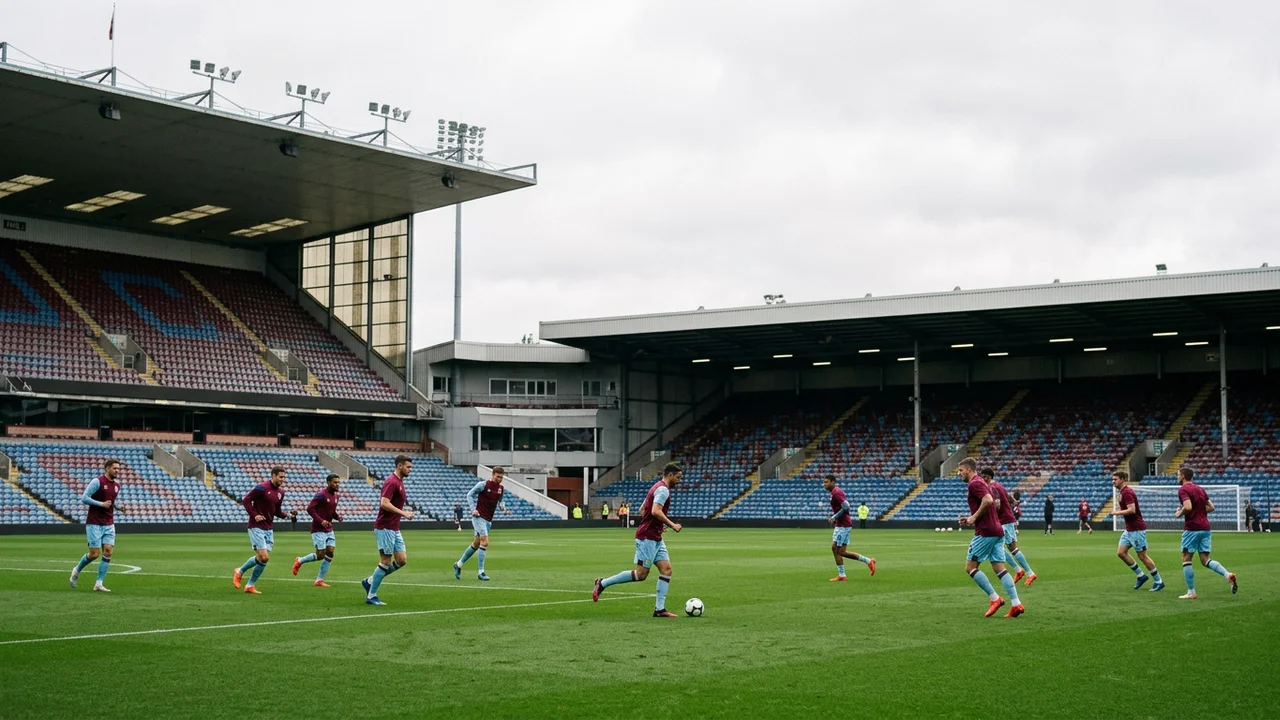
Senegal’s recent 3-1 triumph over England on English soil is more than just a headline—it’s a seismic shift in the global football landscape. Not only did this victory mark the first time an African nation has defeated England’s senior team, but it also reflected the fierce determination and evolving quality of Senegalese football. Coach Pape Bouna Thiaw has openly praised his team’s resilient mentality, highlighting how the collective spirit and tactical discipline overcame a traditionally dominant football powerhouse on their own turf. This match, played at Nottingham’s City Ground, was a cinematic case study in adaptability, confidence, and unrelenting ambition—signaling a bright future as Senegal eyes their 2026 World Cup qualification.
The game began with England asserting their usual dominance. Harry Kane’s early goal in the 7th minute underlined England’s attacking threat. Yet, the Teranga Lions demonstrated remarkable composure, regrouping swiftly to flip the script. Their comeback wasn’t a flash of luck but a showcase of strategic mastery and fierce professionalism—the kind that sends shockwaves across football communities, from Dakar to London.
Understanding the significance of this result requires digging into how Senegal’s mentality and preparation played a pivotal role. Unlike many friendly matches where experimentation reigns, this one was a calculated battle with high stakes—Senegal’s confidence boost for the challenges ahead. Coach Pape Thiaw’s reflections reveal the psychological armor worn by his squad, emphasizing an unwavering desire to succeed in football’s most intense arenas.

Senegal Coach Pape Thiaw on the Mental Strength that Powered the Historic Win Over England
When a team steps onto a foreign pitch against football royalty like England, the psychological war begins long before the referee blows the whistle. Pape Thiaw’s recognition of Senegal’s state of mind reveals a layered approach to international matches—particularly those with heightened symbolic weight.
“We really wanted to win,” Thiaw explains. This statement echoes throughout the Teranga Lions’ performance. Initial dominance by England showed the standard they were up against—an experienced side comfortable with controlling play. Yet, Senegal maintained composure, never allowing the pressure to erode their structure or spirit.
The mental dynamics behind this resilience have several components:
- Belief built on preparation: The players arrived with a clear game plan and confidence from rigorous training, which diminished the intimidation factor of England’s footballing history.
- Tactical adaptability: Observing and responding quickly to England’s strategies allowed Senegal to exploit gaps and pressure points effectively.
- Collective unity: More than individual brilliance, it was the team’s cohesion that stood out—players ready to sacrifice and support one another under pressure.
These elements forged a mentality that refused to bow. Thiaw’s praise extends beyond technical skills: “It is no secret: the team’s amazing state of mind and work ethic made this possible.” His acknowledgment underscores the fact that the triumph was the product of meticulous preparation and emotional stamina as much as tactical execution.
Interestingly, this victory throws a spotlight on the significance of mindset in African football—from grassroots efforts to elite international competition. African players often carry the weight of continental pride, and such victories become a collective celebration of culture and progress. Puma, Adidas, and Nike—brands that outfit many African professionals—have invested heavily in fostering local talent, reinforcing the idea that with the right mindset, support, and preparation, African football is breaking ceilings.
Key Mentality Factors Contributing to Senegal’s Win
- Preparation for adversity: Confidence in overcoming tough starts after England scored early.
- Focus on opportunity: Capitalizing on moments when England’s defense faltered.
- Emotional intelligence: Maintaining composure despite physical pressure, as reflected in more fouls and yellow cards.
- Resilient work ethic: Commitment to defense and attack without losing morale under challenging conditions.
Senegal’s example offers a blueprint for other African nations aspiring to redefine their international footballing narrative by harnessing both spirit and strategy.
Analyzing Tactical Brilliance: How Senegal Outmaneuvered England on Their Home Ground
Beyond the psychological triumph lies a sophisticated tactical story—Senegal’s adjustments during the match proved decisive. England initially dominated possession, owning about 60% of the ball compared to Senegal’s 40%, suggesting England controlled the tempo. Yet, controlling possession alone did not equal victory.
Statistically, Senegal’s edge revealed itself in efficiency:
- Shots on target: Senegal delivered 6 accurate shots versus England’s 4, highlighting clinical finishing.
- Pass completion: While England’s pass completion stood at an impressive 88%, Senegal’s 79% completion was sufficient to disrupt England’s rhythm and create chances.
- Defensive aggression: Senegal committed 14 fouls compared to England’s 10, signaling an aggressive approach that unsettled their opponents.
Coach Thiaw’s team prioritized tactical discipline, shoring up the defense and launching swift counterattacks. Their careful exploitation of weaknesses in England’s defensive setup—particularly against transitions—showed advanced game intelligence. This balance between organized defense and clinical counterattacking is emblematic of emerging African football strategies that combine physicality with refined technical execution.
Table: Tactical Match Statistics for Senegal vs England
| Statistic | England | Senegal | Insight |
|---|---|---|---|
| Goals | 1 | 3 | Senegal capitalized on key chances clinically. |
| Ball Possession (%) | 60 | 40 | England controlled the ball but lacked clinical execution. |
| Shots on Target | 4 | 6 | Senegal proved more precise in attack. |
| Pass Completion (%) | 88 | 79 | England’s technical proficiency versus Senegal’s tactical disruption. |
| Fouls Committed | 10 | 14 | Senegal’s pressing showed aggressive defensive tactics. |
| Yellow Cards | 1 | 2 | Match intensity reflected in card count. |
Taking tactical cues from the global stage also underscores the importance of elite sportswear in performance. Senegalese players’ partnerships with brands like New Balance and Umbro provide technologically advanced kits that optimize mobility and comfort—an often overlooked edge in tight, physical encounters. Meanwhile, global football giants like Reebok, Asics, Kappa, and Lotto influence playing styles via sponsorships that encourage innovation and creativity on the field.
Impact of Senegal’s Historic Win on African Football’s Global Standing and Future Prospects
Senegal’s breakthrough victory transcends a single match. It symbolizes African football’s rising tide on the international stage—a bold declaration that the continent is carving out its space with skill, resilience, and strategic agility. For decades, African teams have battled stereotypes and underestimations, but today they demand respect.
Several implications arise from this landmark result:
- Boost in continental morale: This win reinforces belief in Africa’s ability to reshape football narratives globally.
- Inspiration for youth development: Young players inspired by such triumphs fuel academies and leagues across Africa, including those monitored by organizations like African Football HQ.
- Economic impact: Increased sponsorship and investment interest from international brands growing their footprint in African football markets.
- Shift in scouting focus: European clubs intensify scouting efforts in Africa, recognizing the pool of talent that has matured to global standards.
This momentum is already visible in the expansion of the African leagues, where local derbies inspired by this new wave of confidence are intensifying, packed stadiums are commonplace, and talents are blossoming under clubs sponsored by the likes of Puma and Adidas. Senegal’s victory serves as a rallying point, emphasizing that African football’s future is vibrant and deserving of attention.
Moreover, African football teams are increasingly embedding tactical flexibility into their training—embracing styles that blend technical finesse with athletic endurance. Partnerships with brands such as Nike and Under Armour are pivotal, contributing to enhanced training facilities and sports technology access across the continent.
Upcoming Challenges for Senegal as They Gear Up for World Cup Qualifiers After Historic England Victory
While the celebration is warranted, Senegal’s horizon remains firmly focused on the immediate challenges—namely, the World Cup qualifying matches coming in September. The victory against England offers both a psychological boost and a tactical benchmark for facing Sudan and the Democratic Republic of Congo (DRC).
Lamine Camara, a vital AS Monaco midfielder, encapsulated this sentiment: “It was a test match and we succeeded. Now the goal is to win the September matches.” These fixtures are critical; Senegal sits second in Group B, tied with Sudan and just a point ahead of the DRC. Qualifying for the 2026 World Cup depends heavily on consistent performance in these tight contests.
The challenges Senegal must navigate include:
- Maintaining momentum: Carrying the confidence from the England win into competitive qualifiers without complacency.
- Adapting tactics: Facing diverse playing styles from Sudan and DRC demands tactical versatility.
- Managing squad fitness: Balancing club and national duties to keep players in peak condition.
- Handling psychological pressure: The weight of expectations after such a historic win can be both motivating and burdensome.
Coach Pape Thiaw’s leadership will be tested in translating friendly success into competitive resilience. The ability to foster an environment where players replicate their team spirit and adaptability under pressure can shape Senegal’s path to the world stage. This calls for a blend of experienced players and rising stars, supported by top-tier training regimens facilitated by partnerships with leading kit suppliers, including Lotto and Kappa, ensuring optimal performance gear for all weather conditions.

England’s Reflection and Lessons Learned From Senegal’s Historic Friendly Defeat
For England, the loss to Senegal presents more than an isolated stumble; it’s a profound indicator that global football dynamics are shifting. The defeat prompts deep reflection within the English camp about tactical inflexibility, squad cohesion, and mental readiness.
Specifically, the match highlighted several issues:
- Midfield cohesion problems: Difficulty in controlling the game flow and connecting defense to attack effectively.
- Defensive vulnerabilities: Exploitable gaps during counterattacks pressured England’s backline.
- Possible underestimation: A lack of intensity in response to Senegal’s changing tactics and desire.
The parallels with other national teams, such as the USMNT’s occasionally shaky performances against perceived underdog teams, emphasize football’s unpredictability. England’s manager, Gareth Southgate, now faces the strategic challenge of rebuilding trust and sharpening the team’s competitive edge to avoid complacency pitfalls.
Moving forward, England’s approach to friendly matches may need revisiting—either balancing experimentation with a more competitive mindset or addressing deeper systemic issues. The loss to Senegal acts as a cautionary tale about underestimating opponents and the rapid ascendancy of teams outside traditional football powerhouses.
Key Focus Areas for England’s Recovery Strategy
- Strengthening midfield coordination and distribution.
- Improving defensive solidity against fast breaks.
- Refining mental focus and tactical discipline in all matches.
- Assessing squad selection balances youth and experience effectively.
Recognizing these lessons and embedding them throughout coaching, training, and player development programs will be vital. With Adidas and Nike sponsoring many English players, investment in high-quality gear complements physical preparation, but tactical and mental growth must also be prioritized.