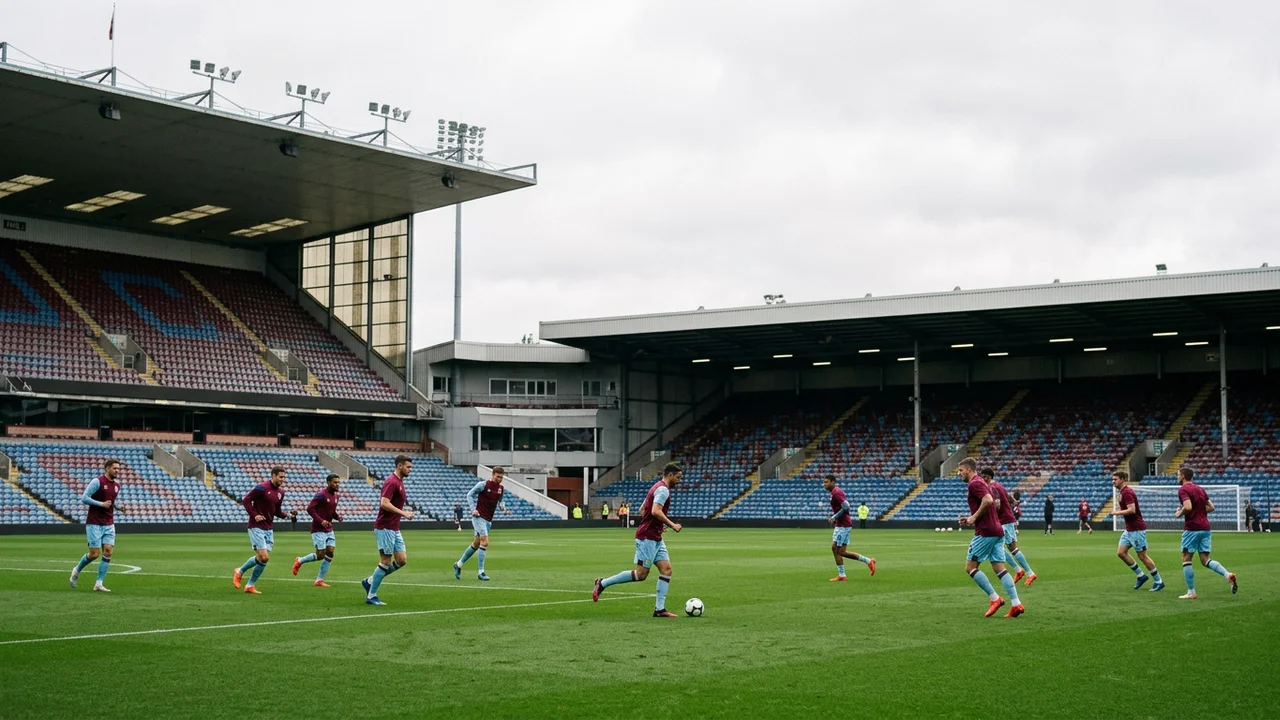
As the 2025 FIFA U17 World Cup unfolds in the shimmering arenas of Qatar, African youth football has carved out a narrative rich with promise and resilience. The continent’s young talents are not merely participating—they are redefining expectations, challenging the status quo, and shining as beacons of progress in international competition. November 18, 2025, marked a particularly electric phase of the tournament, showcasing an African resurgence that captivates fans and analysts alike. This moment embodies the story of grassroots development meeting global stages, where African teams display a remarkable blend of tactical discipline and raw athleticism, signaling a bright future for youth football across the continent.
The journey of African teams in this competition reflects deeper strides in football development, rooted in enhanced national programs and academies designed to nurture technical skills alongside character. These young athletes carry more than just soccer ambitions; they carry the weight of collective dreams from diverse communities. As we examine the details of their breakthroughs, it becomes clear that their achievements in the U17 World Cup are milestones in a broader campaign to elevate African football’s standing on the world map.
From battle-hardened teams like Senegal and Mali—who continue to assert their legacy through disciplined performances—to the fresh energy of debutants such as Uganda and Zambia, the landscape of African youth football is more vibrant than ever. Each team’s path through the group stages and knockouts has been shaped by fierce determination and strategic growth, culminating in exciting all-African matchups that captured the spirit of competition on November 18.
As the tournament advances, the spotlight on African football intensifies, delivering a powerful message: the continent’s young talents are no longer outsiders hoping to make a mark—they are front-runners setting new standards in international youth soccer achievements.
Key highlights from Africa’s U17 performance:
- Multiple African teams advanced to the Round of 32, showcasing depth and quality.
- Historic all-African knockout games, including Uganda vs Burkina Faso, underscored the continent’s competitive rise.
- Strong showings from North African nations—Egypt, Morocco, Tunisia—demonstrated tactical maturity and resilience.
- Breakthroughs for debutante nations like Uganda illustrate expanding football development across Africa.
- Young stars emerged, promising to become future icons for African and global football.
African Teams’ Strategic Path to the U17 World Cup Knockouts
The journey to the Round of 32 at the 2025 U17 World Cup was a battleground of grit and growth for African teams, reflecting years of dedicated grassroots and academy investment. The expanded tournament format allowed for greater representation, with ten African nations making their mark and advancing from the group stage. Their qualification was not just a byproduct of individual talent but also of evolving tactical awareness and collective cohesion.
Egypt, Morocco, and Tunisia have particularly stood out, leveraging both individual flair and team discipline to navigate challenging groups. Egypt clinched qualification as one of the best third-placed teams, exhibiting resilience by earning four points in a competitive Group G. They now face Switzerland, a clash promising to test the technical and mental fortitude of the Young Pharaohs. Morocco’s campaign was a rollercoaster, including a sensational 16-0 victory over New Caledonia offset by stark losses to Portugal and Japan. Their next challenge pits them against the United States, where adaptability and focus will be critical.
North Africa’s Tunisia showed their tactical depth after a dominant 6-0 victory over Fiji, despite narrow defeats to Argentina and Belgium. Their Round of 32 opponent, Austria, offers a contrasting European style that will sharpen the Carthage Eagles’ competitive edge. Success here could mean colliding with powerhouses such as England or South Korea in the subsequent knockout round.
Further south, West African teams like Senegal and Mali represent tradition and tactical evolution. Senegal’s steady consistency and Mali’s disciplined flair position them as favorites to progress deep into the tournament. The Lions of Teranga are battling to transform experience into breakthrough success, while the Young Eagles balance youthful exuberance with tactical maturity.
Meanwhile, East and Southern Africa’s newcomers, Uganda and Zambia, embody fresh narratives that amplify Africa’s football development story. Uganda’s debut at this FIFA World Cup at the U17 level is more than an appearance—it is a declaration of growth and rising ambition. Drawn into challenging groups with teams like France and Canada, Uganda’s journey is an inspiring story of underdog courage. Zambia, engaging with powerhouses such as Brazil and Honduras, echoes the message that exposure to international competition is building character and capability.
Key tactical and developmental themes that paved the African teams’ journey:
- Emphasis on collective discipline mixed with individual creativity.
- Resilience in adversity, bouncing back from challenging results.
- Strategic use of international scouting and academy networks to nurture talent.
- Engagement with global tactical trends, combining physicality with technical finesse.
- The ambition to advance beyond group stages, marking continental football progress.
| Team | Group Stage Results | Round of 32 Opponent | Key Challenge |
|---|---|---|---|
| Egypt | Group G: 1W, 1D, 1L (4 points) | Switzerland | Test of tactical adaptability and composure |
| Morocco | Mixed results: Historic 16-0 win | Heavy losses vs Portugal, Japan | United States | Maintaining intensity and focus after rollercoaster group |
| Tunisia | Group F: Dominant win + close defeats | Austria | Matching European tactical discipline |
| Senegal | Steady group performance | Uganda | Breaking through to last 16 |
| Uganda | Debutante, excited underdog spirit | Senegal (Round of 32) | Underdog resilience and learning curve |
| Zambia | Competitive group with Brazil, Honduras | Mali | Balancing talent with tactical awareness |

Emotional and Cultural Impact of African Teams on the Global Stage
You can feel the pulse whenever African youth teams step onto international soil, and nowhere is this more evident than at the U17 World Cup. These young talents are not just athletes; they are symbols of a continent’s cultural identity, hope, and collective dreams. The global stage brings a unique emotional charge, as millions watch in anticipation not only for soccer achievements but also for stories of perseverance and transformation.
The fusion of football and culture in African teams is palpable: chants echo with traditional rhythms, team colors represent heritage, and every goal scored reverberates far beyond the stadium walls. For many players, this tournament is the first major platform that can vault them from local obscurity to international attention and opportunity. Their success is deeply linked to community pride, inspiring younger generations in remote villages and urban centers alike.
The psychological uplift of representing an African nation in an international competition such as this cannot be overstated. These young players carry not only personal ambitions but the hopes of families, communities, and entire nations. This collective investment fuels resilience, especially when facing powerful adversaries or overcoming tough match situations.
Furthermore, youth football development on the continent leverages these emotional narratives as motivational tools. Many academies focus on character building, teaching players about leadership, discipline, and the importance of representing African football’s values authentically. The result is a fusion of competitive readiness and profound emotional intelligence on the field.
Ways that African teams channel cultural and emotional energy into performance:
- Pre-match rituals rooted in local traditions strengthening team unity.
- Use of music and chants to boost morale and intimidate opponents.
- Players drawing motivation from family and community stories.
- National pride driving a relentless work ethic and perseverance.
- Shared adversity bonding teams under a singular purpose beyond football.
| Emotional Factor | Effect on Performance |
|---|---|
| Community Support | Inspires players to elevate their game under pressure |
| National Pride Symbols (Flags, Jerseys) | Boosts confidence and sense of responsibility |
| Cultural Traditions and Rituals | Enhances team cohesion and mental preparedness |
| Underdog Motivation | Fuels resilience and fearless play |
| Family Stories and Hopes | Creates deep emotional drive and focus |
Rising African Stars to Watch at U17 World Cup 2025
Emerging from the intensity of the 2025 FIFA U17 World Cup are dazzling individual talents who promise to shape the future of African and global football. These young players bring a blend of flair, technical prowess, and tactical intelligence that captivates scouts and fans alike. From precise playmakers to agile forwards and resolute defenders, the tournament serves as a showcase for Africa’s next generation of football greatness.
Take Senegal’s striker, who combines blistering speed with clinical finishing, reminding many of past legends yet with a fresh, fearless approach. Mali’s midfield maestro has impressed by dictating tempo and displaying maturity beyond his years, embodying the tactical growth coming through African academies. Meanwhile, Uganda’s debutants have introduced a raw tenacity, exemplified by their defensive rock whose leadership on the pitch commands respect despite youthful inexperience.
The rise of these stars is not accidental but the product of enhanced football development programs emphasizing not just skill but mental toughness and match intelligence. Their performances have been dotted with memorable moments: game-winning goals, decisive tackles, and creative assists that highlight Africa’s broadening tactical horizons.
Attributes shared by Africa’s young stars:
- Technical skill combined with physical agility.
- High football IQ and tactical adaptability.
- Resilient mindset to face intense international pressure.
- Leadership qualities emerging despite youth.
- Cultural pride fueling passion and commitment.
| Player | Country | Position | Outstanding Feature |
|---|---|---|---|
| Issa Diop | Senegal | Forward | Goal-scoring instinct and pace |
| Adama Coulibaly | Mali | Midfielder | Game vision and composure |
| Samuel Okello | Uganda | Defender | Leadership and resilience |
| Kofi Nyarko | Ghana | Winger | Dribbling and creativity |
| Youssef Mansouri | Morocco | Attacking Midfielder | Technical flair and passing accuracy |
Key African Matchups and Their Significance on November 18, 2025
The knockout stages on November 18, 2025, delivered some of the most electrifying and poignant moments for African football. Matches like Uganda vs Burkina Faso symbolized not just competition but a showcase of shared development philosophies and rising ambitions. The all-African clashes are proof that youth football on the continent has matured into a fertile ground for high-stakes international competition.
Other critical matchups featured Tunisia taking on Austria, and Morocco facing the United States, contests that tested Africa’s tactical evolution against more established football systems. Meanwhile, Senegal faced newcomers Uganda, blending tradition and fresh energy, and Germany met Burkina Faso in a battle that pitted tenacity against experienced European pedigree.
These games emphasize several important facets:
- Growing parity between African teams and traditional football powers.
- Capacity of African squads to execute game plans under pressure.
- Emergence of intra-continental rivalries that heighten player motivation.
- Showcase of tactical flexibility as coaches adapt to opponent styles.
- Platform for scouting that connects African youth to global football markets.
| Match | Date | Venue | Significance |
|---|---|---|---|
| Uganda vs Burkina Faso | Nov 18, 2025 | ASPIRE Academy Pitch 5 | All-African knockout clash symbolizing rising youth football |
| Morocco vs United States | Nov 18, 2025 | Al Janoub Stadium | Test of Africa’s tactical growth against US soccer development |
| Tunisia vs Austria | Nov 18, 2025 | Education City Stadium | European tactical discipline meets African resilience |
| Senegal vs Uganda | Nov 18, 2025 | Al Thumama Stadium | Blending tradition and debutant enthusiasm |
| Germany vs Burkina Faso | Nov 18, 2025 | Stadium 974 | European powerhouse meets African tenacity |
Long-Term Impact of African U17 World Cup Breakthroughs on Football Development
Beyond the immediate thrill of knockout victories and standout performances, the 2025 U17 World Cup breakthroughs have implications that ripple through African football’s entire ecosystem. These young footballers represent the fruit of sustained investments into youth programs aimed at creating pathways to professional opportunities and national football excellence.
The success stories emerging from Qatar invigorate football academies across Africa, encouraging stronger youth scouting, improved training facilities, and greater international partnerships. The momentum built around these tournaments paves the way for more players gaining access to scholarships abroad, professional contracts, and leadership roles within domestic teams upon their return.
Crucially, African breakthroughs at this level foster belief in the transformative power of sport to uplift communities. Many players hail from modest backgrounds, and their achievements serve as testimonies to the capacity of football to change lives. This cycle of inspiration attracts government and private sector support, broadening football development efforts that focus not only on athletic prowess but also education and social integration.
Looking forward, these breakthroughs signal a new era where African youth football will be increasingly competitive on the global stage. Players who cut their teeth in the U17 World Cup become role models, inspiring younger generations and redefining what is possible through hard work and determination.
Long-term benefits deriving from U17 African breakthroughs include:
- Elevated standards in youth coaching and training methodologies.
- Increased international scouting and player mobility.
- Stronger domestic leagues buoyed by returning talent.
- Improved infrastructure influenced by global best practices.
- Greater socio-economic impact through sports-driven community development.
| Area of Impact | Expected Outcome |
|---|---|
| Youth Development Programs | Higher quality player output and improved retention |
| Professional Opportunities | More African players playing in international leagues |
| Domestic Football | Increased competitiveness and enhanced fan engagement |
| Socio-Economic Development | Community upliftment via role models and sports investments |
| Global Perception | Recognition of Africa as a source of football innovation and talent |
Which African teams qualified for the Round of 32 in the 2025 U17 World Cup?
Ten African nations qualified for the Round of 32, including traditional powerhouses like Senegal and Mali, as well as debutants such as Uganda and Zambia.
What significance do the all-African knockout matches hold for youth football?
They represent the growing competitiveness and development of African youth teams, highlighting that the continent is producing teams capable of high-level international performances.
How does the U17 World Cup impact football development in Africa?
The tournament provides a platform for young talents to gain international experience, encourages investment in youth football programs, and inspires future generations across the continent.
Which African player stood out at the 2025 U17 World Cup?
Several young stars emerged, including Senegalese forward Issa Diop, Mali’s midfielder Adama Coulibaly, and Uganda’s defender Samuel Okello, each showcasing skill and leadership.
What lessons can African teams take from the 2025 U17 World Cup performances?
They have learned the importance of tactical discipline, mental resilience, and adapting to varied international playing styles to succeed on the world stage.