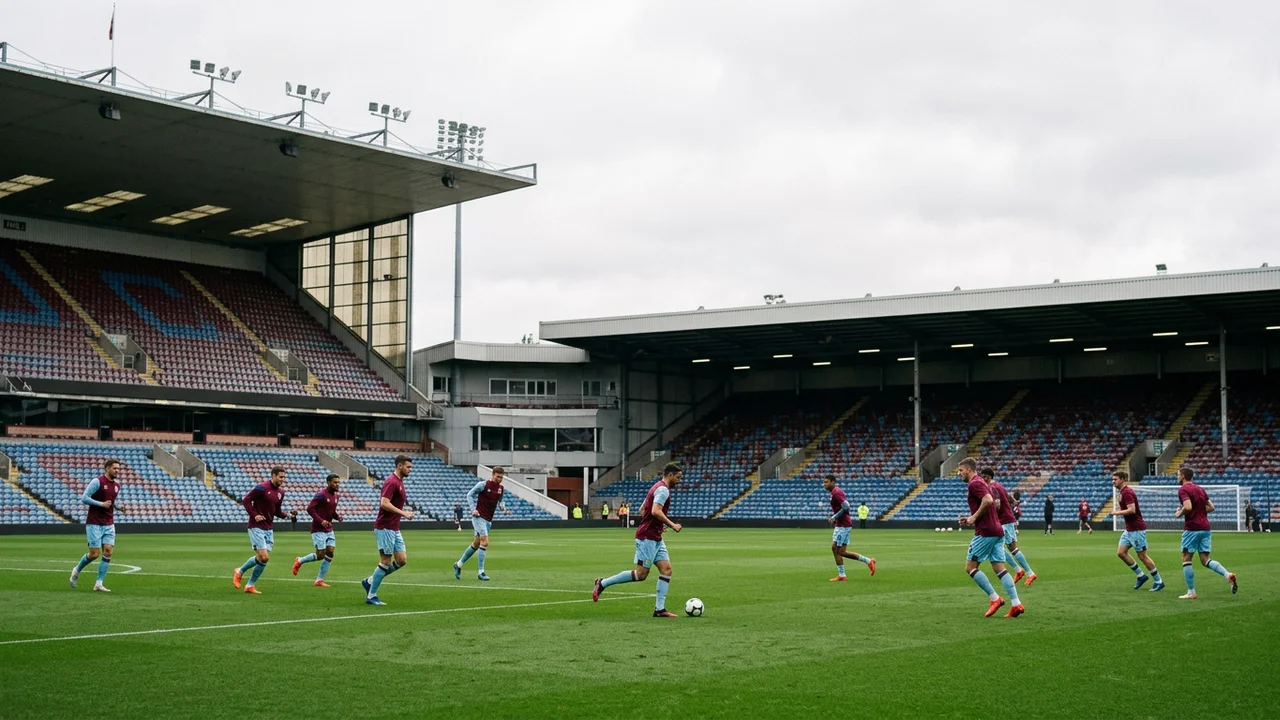
Tunisia’s coach Samy Trabelsi enters the 2025 Africa Cup of Nations (AFCON) in Morocco with the Carthage Eagles ready to challenge the tough Group C. Often dubbed the “group of death,” this section features Nigeria’s Super Eagles, Uganda’s Cranes, and Tanzania’s Taifa Stars—teams each bringing distinct threats. Yet, the Tunisian side exudes confidence, rooted in a formidable World Cup qualifying performance and a strategic mindset that blends defensive solidity with rapid counterattacks. As the tournament draws near, Tunisia is no longer settling for mere participation; their eyes are set firmly on a top-four finish, a goal that underscores their evolution into a genuine contender within African football’s competitive landscape.
Group C has attracted significant attention due to the presence of heavyweights like Nigeria, a team boasting star players in Europe, and emerging forces such as Uganda and Tanzania. Yet, Tunisia’s coach refuses to bow under pressure, highlighting the squad’s unity and experience as key assets. Trabelsi’s tactical acumen and respect for opponents coexist with a clear message: the Eagles of Carthage are here to compete seriously and aim for ultimate success. The upcoming clash with Nigeria, in particular, is anticipated with anticipation—given their history of intense encounters and the growth of both squads since their last meeting.
Building on a strong qualifying streak where Tunisia scored 22 goals without conceding, the team’s balance and discipline have earned them a reputation as the “Italians of Africa.” Their approach focuses on a structured defense coupled with swift attacks, designed to frustrate and exploit opponents. Facing a group praised for its difficulty provides a stage to test this philosophy and demonstrate their growth. For fans tracking the AFCON 2025, Tunisia’s journey encapsulates the blend of tactical expertise, player development, and the emotional drive that African football uniquely embodies.
In brief:
- Group C is widely viewed as the tournament’s “group of death” due to the competitive intensity between Tunisia, Nigeria, Uganda, and Tanzania.
- Tunisia’s coach Samy Trabelsi aspires for a semi-final spot, aiming beyond mere qualification.
- The Eagles of Carthage bring a strong defensive record with 22 goals scored and zero conceded in World Cup qualifiers.
- Tunisia’s style is characterised by defensive organisation and quick counterattacks, earning them the nickname “Italians of Africa.”
- Respect for opponents, especially Nigeria, exists alongside a confident mindset focused on winning.
Strategic Defensive Mastery: Tunisia’s Soccer Strategy for AFCON 2025 Group C Success
One of the most defining aspects of Tunisia’s readiness for AFCON 2025 lies in its disciplined and well-drilled defensive structure. The team’s reputation as the “Italians of Africa” is no accident; it refers to their meticulous organisation, tactical patience, and unyielding defensive line—mirroring the celebrated Italian football legacy. Samy Trabelsi’s coaching philosophy stresses that solid defence is the foundation upon which victory is built, a principle reflected in Tunisia’s World Cup qualifying campaign, where the team achieved the extraordinary feat of scoring 22 goals and conceding none.
This strategic approach comprises several key elements:
- Compact Defensive Lines: Tunisia’s backline operates in close coordination, reducing space for attackers and maintaining a narrow formation that frustrates opposition forwards.
- Intelligent Pressing and Counterattacks: While defence is the priority, Tunisia swiftly transitions into attack through counters, catching teams off guard and exploiting tactical gaps.
- Experience and Cohesion: Veterans like goalkeeper Bechir Ben Said and midfielder Ellyes Skhiri anchor the defence, providing calm, leadership, and composure during high-pressure moments.
- Adaptive Tactics: Trabelsi is known for his flexible approach, adjusting formations to neutralise threats from technically gifted teams like Nigeria or physically resilient ones like Uganda.
Such strategy not only strengthens Tunisia’s resilience but also boosts the entire team’s confidence—a crucial factor when facing a so-called group of death. This defensive mastery isn’t merely about avoiding goals; it’s about controlling the rhythm, frustrating opponents, and creating scoring opportunities on the break. Their World Cup qualification journey stands as testimony to how this strategy can translate into measurable success and raises expectations for the upcoming tournament.
Consider a scenario from recent qualifiers where Tunisia’s defensive concentration shut down Nigeria’s dynamic forwards, limiting their effective chances while smoothly launching quick counters that caught even well-prepared opposition by surprise. These instances exemplify how soccer strategy merges precision with emotional intensity in African football, especially within top-tier contests like AFCON.
| Key Defensive Metrics | Tunisia | Nigeria (For Comparison) | Uganda | Tanzania |
|---|---|---|---|---|
| Goals Scored in Qualifiers | 22 | 18 | 10 | 12 |
| Goals Conceded | 0 | 5 | 8 | 9 |
| Clean Sheets | 6 | 4 | 2 | 3 |
| Fouls per Game | 12 | 15 | 14 | 13 |
This impressive defensive record cements Tunisia’s position as a contender ready to challenge in any scenario, especially in a demanding group key to their tournament ambitions.

African Cup of Nations Group C Preview: Why Tunisia’s Team Confidence Is Not Shaken by the ‘Group of Death’ Tag
The label “group of death” can weigh heavily on any team, suggesting an almost insurmountable challenge. However, Tunisia’s team confidence thrives because of how coach Samy Trabelsi has framed their task. Rather than intimidation, the Carthage Eagles approach the competition with measured respect and a fierce desire to prove their mettle. This attitude reflects an understanding that the AFCON, as a tournament, often defies expectations, and that underdog teams can upset stronger opponents with the right determination and discipline.
Several factors contribute to Tunisia’s calm self-assurance:
- Respectful Approach: Trabelsi has emphasised respect for all opponents, including heavyweights Nigeria and steadily progressing Uganda and Tanzania, recognising their ability to grow and upset the balance.
- Learning from History: Past encounters, such as Tunisia’s narrow win over Nigeria in the 2021 AFCON round of 16, feed into a reservoir of belief but also serve as lessons in the continuous need for focus and preparation.
- Balanced Squad Composition: A blend of seasoned players and dynamic youngsters ensures both wisdom and agility on the pitch, enabling adaptation to various match situations.
- Clear Ambitions: Moving beyond participation, Tunisia aims for the top four—a clear agenda that shields the team from being overwhelmed by external expectations or group reputation.
This mindset builds a defensive and offensive armor, allowing Tunisia to remain competitive no matter the pressure. For example, Tanzania and Uganda bring unpredictable elements to the group, demonstrated by both nations’ improved performances and strategic club football development. Tanzania, with players like striker Ali Samata, has gained recognition through consistent appearances in top African club tournaments such as the CAF Confederation Cup, reflecting their rising prominence.
Trabelsi’s approach to AFCON 2025 preparation includes rigorous analysis of opponents’ strengths and weaknesses, emphasizing adaptability and collective team effort over individual brilliance. This collective tough-mindedness is what turns a “group of death” into an opportunity rather than a threat, turning pressure into fuel for success. Fans seeking to understand the dynamics of African football’s fiercest contests will find the Carthage Eagles’ preparation and mindset a defining story of AFCON 2025.
| Group C Teams | Strengths | Weaknesses | Key Players |
|---|---|---|---|
| Tunisia | Defensive solidity, experience, tactical discipline | Limited standout star power in attack | Youssef Msakni, Ellyes Skhiri, Bechir Ben Said |
| Nigeria | Attacking talent, European experience, depth | Occasional defensive lapses | Victor Osimhen, Ademola Lookman, Samuel Chukwueze |
| Uganda | Physical resilience, strong team unity | Limited international tournament experience | Emmanuel Okwi, Allan Okello |
| Tanzania | Emerging talents, improving club performances | Inconsistent results | Ali Samata, Yahya Zayd |
Team Preparation and Tactical Readiness: How Tunisia’s Coach Samy Trabelsi Shapes the Eagles of Carthage
Coach Samy Trabelsi’s return to the Tunisian national team has rekindled hope and optimism amid the AFCON 2025 preparations. Bringing with him vast experience, both as a former player in the 1996 AFCON final and coach leading Tunisia to a CHAN title in 2011, Trabelsi has implemented rigorous training programs focused on tactical discipline, fitness, and mental toughness.
Key preparation elements include:
- Detailed Opponent Analysis: Trabelsi’s staff utilizes intense video scouting and performance data to analyse Group C opponents, crafting tailored game plans that highlight Tunisia’s strengths while neutralizing threats.
- Physical Conditioning: Enhanced fitness regimes ensure players remain sharp and resilient in Morocco’s December climate and during the tournament’s demanding schedule.
- Psychological Fortitude Training: The coach emphasizes mental resilience to help players stay calm under pressure, especially important given the group of death battlefield awaiting them.
- Integration of Youth and Experience: Trabelsi balances his squad by developing promising talents alongside seasoned professionals, ensuring a dynamic yet composed team structure.
These preparation steps evoke a process beyond the pitch, emphasizing maturity and team unity. Unlike many teams who might crumble under the intimidating tag of their AFCON 2025 group, Tunisia’s methodical preparation points toward confident and consistent performances.
Trabelsi acknowledges the difficulties posed by Nigeria’s threatening forward line—known for stars such as Victor Osimhen—but is unwavering in his belief that disciplined defence and sharp counterattacks can disrupt even the most dynamic adversaries. This outlook mirrors narratives found in African football analyses celebrating tactical mastery alongside raw talent.
| Preparation Focus | Details | Expected Outcome |
|---|---|---|
| Opponent Analysis | Video scouting, tactical adjustments | Maintain tactical flexibility, exploit weaknesses |
| Physical Conditioning | Endurance and strength training | Fatigue resistance, consistent performance |
| Psychological Fortitude | Mental resilience exercises | Composure in high-pressure situations |
| Youth-Experience Integration | Mentoring & role balance | Dynamic gameplay and stability |
Rivalry Dynamics: Tunisia vs Nigeria and the Stakes in AFCON 2025 Group C
The history between Tunisia and Nigeria in African football tournaments has always been rich with intensity, drama, and competitive fire. This rivalry enhances the stakes for their Group C clash in AFCON 2025, contributing to the public and media fascination surrounding their encounter. Both teams have had memorable moments — Tunisia famously knocked out Nigeria on penalties in the 2004 AFCON, while Nigeria secured revenge in later showdowns.
Within this context, Trabelsi offers a nuanced perspective. While acknowledging Nigeria as a “continental powerhouse” with a deep talent pool in Europe, he warns against complacency. He notes changes in Nigeria’s squad composition, with younger talents adding vibrancy and depth, which contrasts with Tunisia’s blend of experience backed by solid tactical groundwork.
- Historical head-to-head significance: past matches increase intensity.
- Future battles breed motivation: both teams aim to establish dominance in the group.
- Player-driven narratives: stars like Victor Osimhen and Youssef Msakni symbolise their teams’ hopes.
- Media hype influences atmosphere: elevates passion and public engagement.
This ongoing rivalry is more than a mere contest; it represents national pride, tactical chess, and the wider aspirations of African football nations. The Carthage Eagles’ preparation and mindset reflect their readiness to turn this rivalry into a defining storyline of AFCON 2025, with the potential to inspire the continent’s fans and create moments that ripple beyond the tournament.
| Matchup Element | Tunisia | Nigeria |
|---|---|---|
| Recent AFCON Meetings | 1-0 victory in 2021 Round of 16 | Loss in 2021 Round of 16 |
| Talent Pool | Balance of experienced veterans and young players | Strong young European-based stars |
| Key Figures | Coach Samy Trabelsi, Youssef Msakni | Victor Osimhen, Ademola Lookman |
| Rivalry Intensity | Competitive and respectful | Highly passionate and dynamic |
Emerging African Football Narratives and Tunisia’s Role in AFCON 2025
Africa’s football landscape is evolving rapidly, with rising stars and underdog nations seeking their place on the continent’s biggest stage. Tunisia’s role in AFCON 2025 highlights the blend of seasoned experience and emerging talent that characterises modern African football’s progress. Their disciplined approach and respect for football culture are mirrored by many up-and-coming teams—including the likes of Tanzania and Uganda, whose development stories captivate fans and analysts alike.
This dynamic creates an environment where each AFCON match carries layered significance; national dreams intertwine with personal player stories and collective goals. The Egyptian-born Youssef Msakni, a pivotal player for Tunisia, exemplifies the mixture of local dedication and international experience shaping contemporary squads. Moreover, Tunisia’s tactical rigour and focus on team cohesion set a standard in the African soccer community, balancing individual flair with collective discipline.
- Supporting African Football Growth: Tunisia exemplifies investment in youth and consistent qualifications for AFCON and World Cups.
- Inspired by Legends: The team’s style is a homage to African greats who combined grit with skill.
- Embracing New Challenges: Recognising the unpredictable nature of AFCON, Tunisia stays open-minded and ready for surprises.
- Contributing to African Football’s Global Prestige: Their performances add to the continent’s rising global football reputation, verified by detailed previews like those on African Football HQ.
In this vibrant context, Tunisia acts as a beacon of strength and tactical discipline, inspiring younger generations of African football fans and players. Their campaign in AFCON 2025 will be closely followed by enthusiasts eager to witness how tradition and innovation collide on the pitch, defining new trajectories for African football’s future.
| Aspect | Tunisia’s Role | African Football Impact |
|---|---|---|
| Youth Development | Integration into senior squad, mentoring | Sets example for sustainable football progress |
| International Experience | Regular World Cup qualifications | Raises Africa’s profile globally |
| Team Cohesion | Strong tactical unity | Model for continental solidarity |
| Legacy Building | Strong AFCON performances | Inspires future generations |
What makes Tunisia confident despite a tough AFCON 2025 group?
Tunisia’s confidence stems from their strong defensive record, experienced squad, and focused strategy under coach Samy Trabelsi. They respect but are not intimidated by strong opponents like Nigeria, Uganda, and Tanzania.
Why is Group C considered the ‘group of death’ in AFCON 2025?
Group C includes strong teams with solid histories and promising talents, such as Nigeria’s Super Eagles, Tunisia’s Carthage Eagles, Uganda’s Cranes, and Tanzania’s Taifa Stars, making competition fierce and outcomes unpredictable.
How does Tunisia’s coach prepare the team for high-pressure matches?
Samy Trabelsi emphasizes detailed opponent analysis, physical conditioning, psychological resilience, and a balanced mix of youth and experience to ensure the team performs confidently under pressure.
What tactical style does Tunisia employ in AFCON 2025?
Tunisia uses a highly organised defensive approach focused on compact lines and swift counterattacks, earning them the nickname ‘the Italians of Africa’ for their disciplined soccer strategy.
How significant is the rivalry between Tunisia and Nigeria?
Their rivalry is intense and historic, with past AFCON clashes adding emotional depth and competitive edge to their AFCON 2025 Group C meeting.