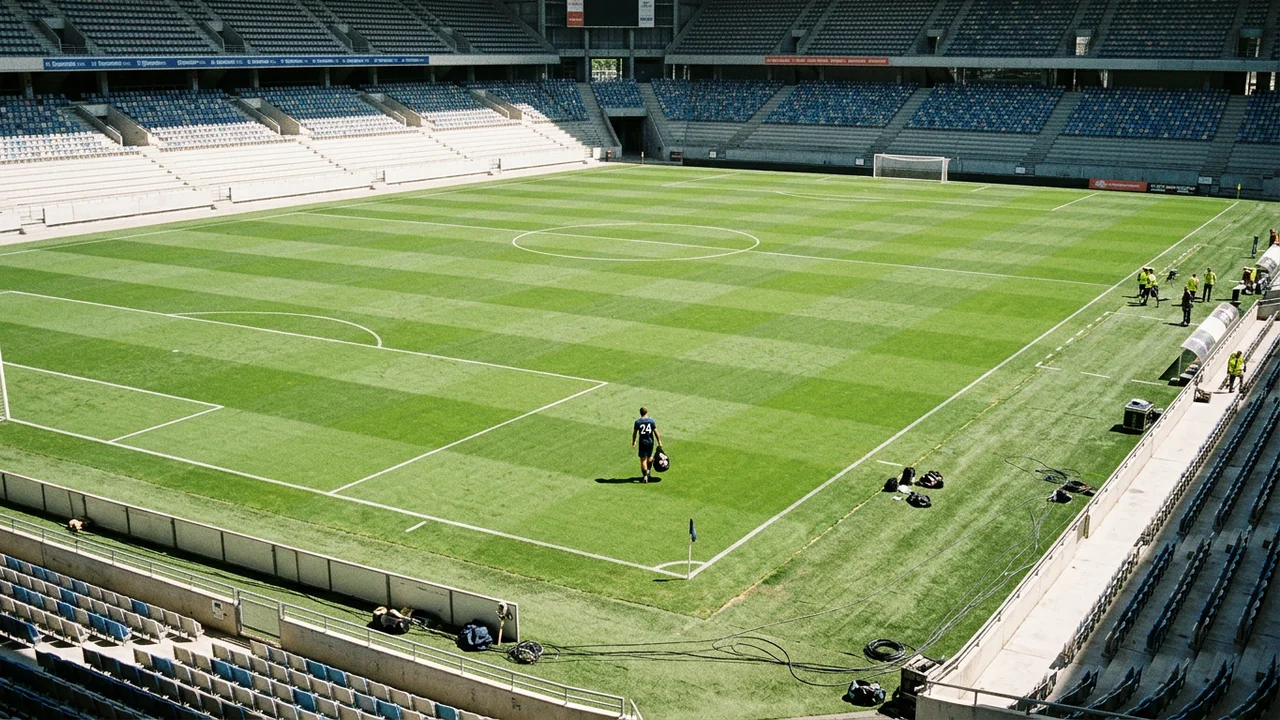
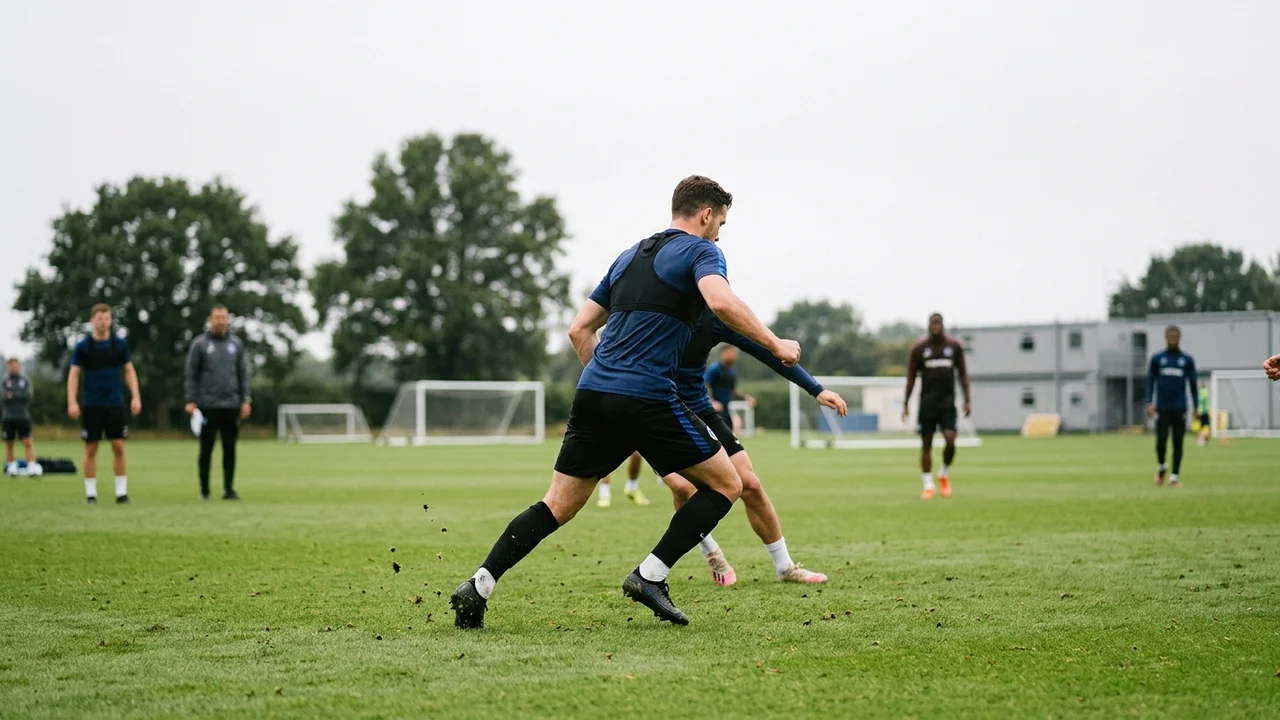
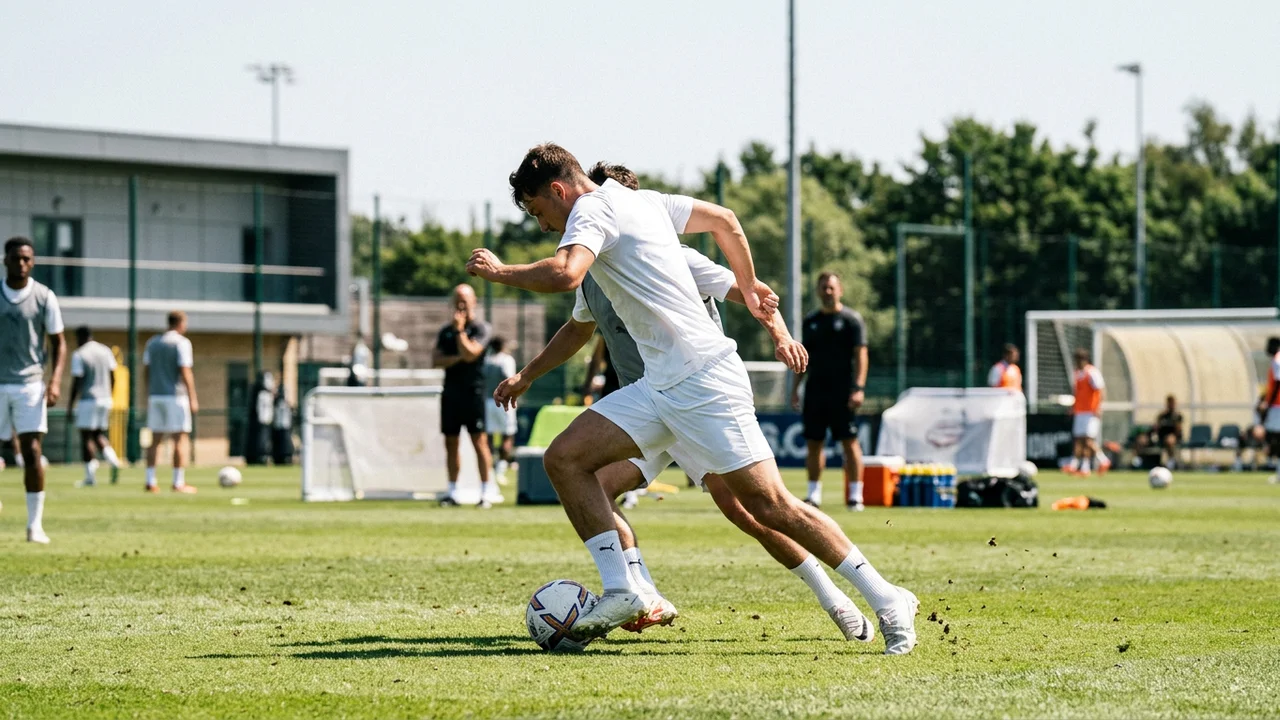
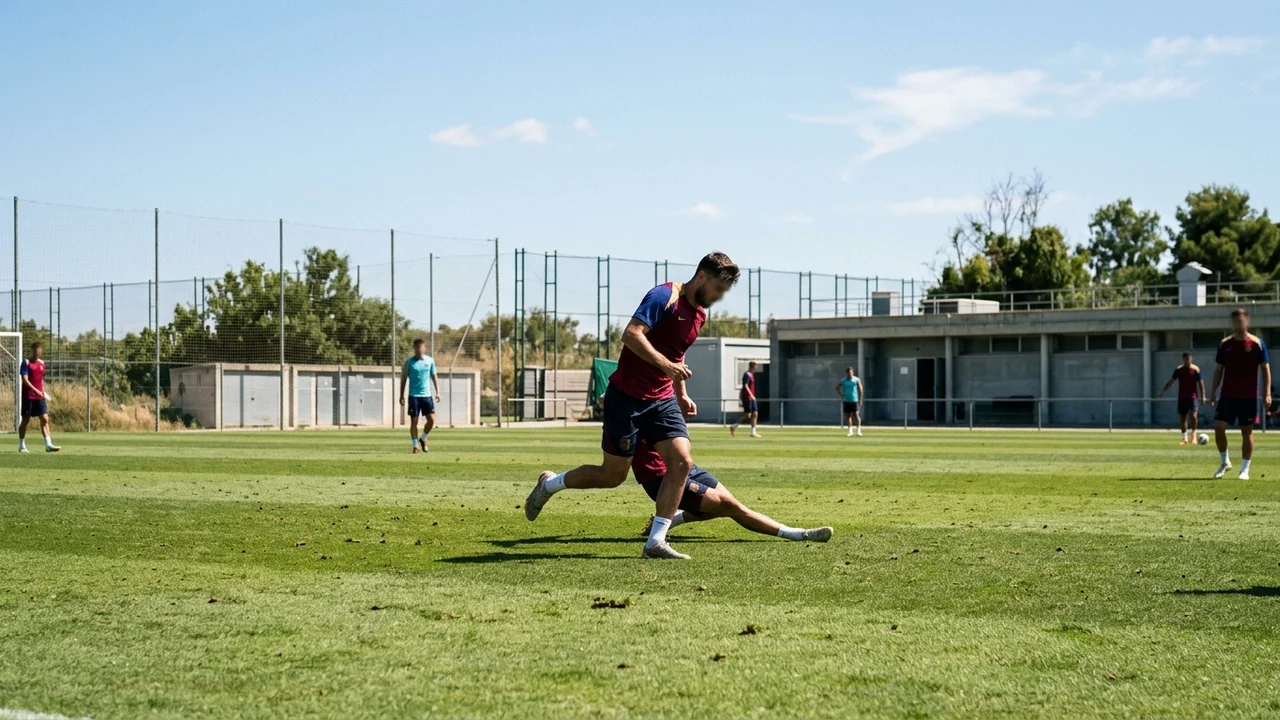
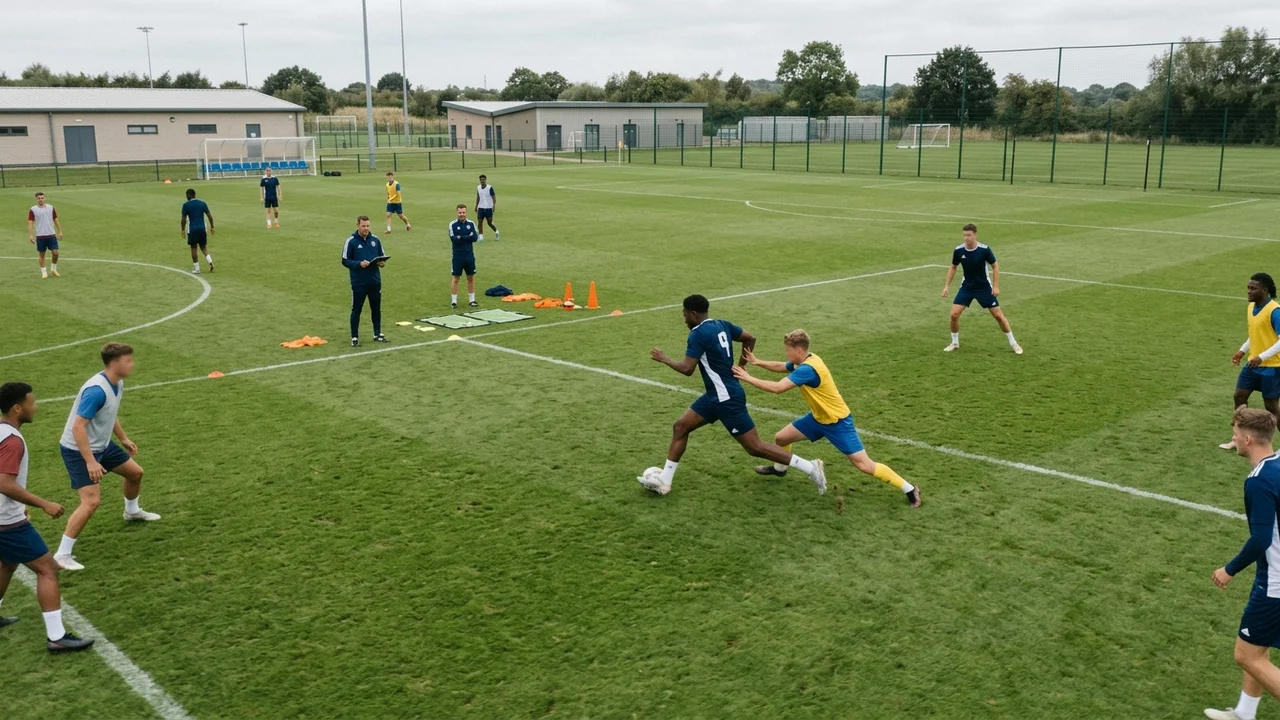
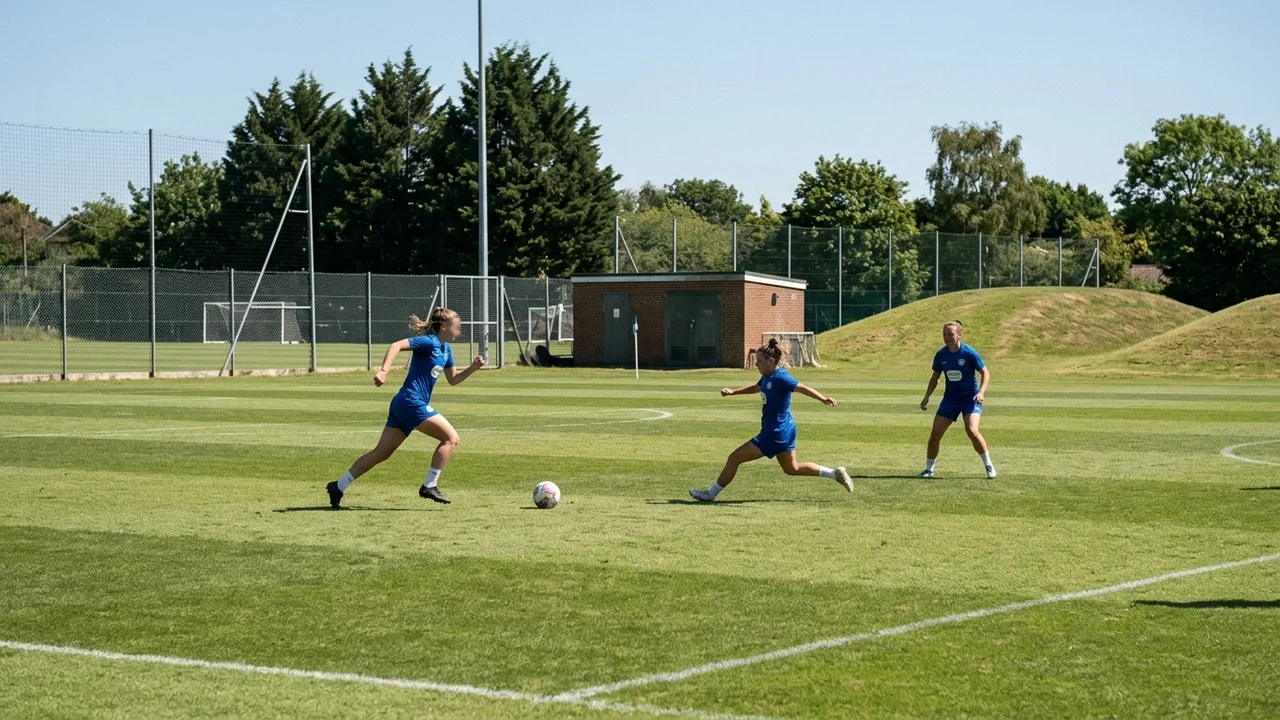
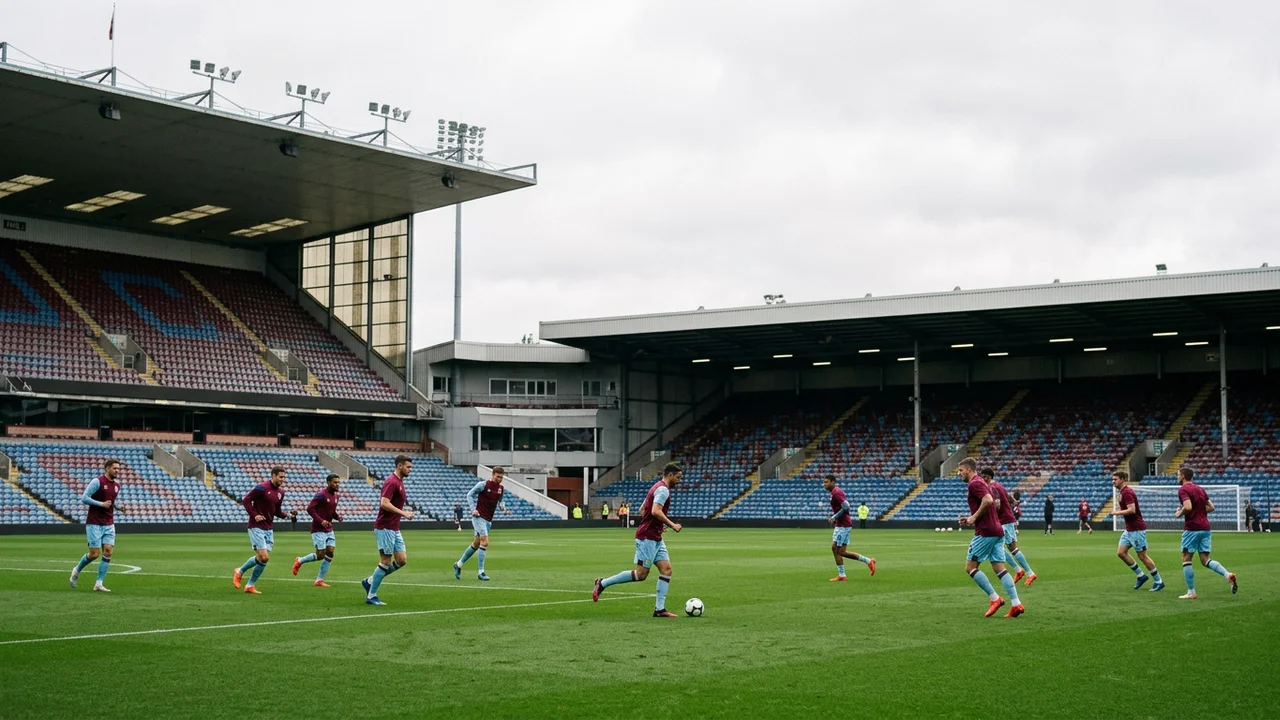
In the high-stakes world of football, December 23, 2025, marks a significant checkpoint where confidence is surging among teams that kicked off their campaigns with remarkable vigor. This moment unfolds as clubs and national squads alike build momentum, drawing from strong starts to bolster their progress and improve overall performance. Across the African continent and beyond, the tapestry of football in late 2025 reflects teams that have harnessed early victories and cohesive development to fuel ambitions for championships and international prestige.
Momentum in football is not just about winning matches—it’s an energizing force that permeates team dynamics, fan engagement, and tactical evolution. As the year edges closer to its finale, squads see their confidence growing in tangible ways: players display sharper instincts, coaching decisions grow bolder, and supporters’ hopes rise. Whether it’s dominant clubs contesting the African Champions League or emerging talents shining in regional leagues, the narrative is clear—strong starts matter, and the momentum they generate propels teams toward sustained success.
Building Momentum: The Psychology Behind Strong Starts in Football
When a team begins its season on a high note, the psychological ripple effect can be profound. Confidence grows exponentially following initial victories, creating an environment where players feel empowered to take risks, innovate on the field, and elevate their collective game. This psychological edge is not merely anecdotal; it’s supported by observable patterns in sporting performance.
Take, for example, teams in the African Cup of Nations 2025 whose early qualifiers have shown flair and resilience, setting the tone for potential deep runs in the tournament. This growing confidence influences everything from training intensity to match-day strategies. Coaches emphasize momentum as a key asset, urging players to capitalize on the goodwill generated by early wins. This momentum contributes to tangible advancements in league standings and international rankings.
Such momentum is also critical off the pitch. Clubs that start strong see higher fan engagement which in turn fuels player motivation. Economic benefits accrue as sponsorship interest heightens, and media coverage expands, spotlighting key players and club narratives. These factors converge to foster an ecosystem where teams can evolve beyond mere competitors to leaders in their leagues. Importantly, the confidence built during these periods catalyzes development across the roster, allowing younger players to integrate seamlessly and veterans to refine their roles.
The Role of Leadership and Team Dynamics in Sustaining Progress
Strong starts rely heavily on leadership both on and off the pitch. Captains and coaches play critical roles in guiding teams through the volatile phases of a season. An effective leader cultivates trust, encourages open communication, and manages pressure, all essential for fostering a culture of confidence and resilience. This leadership is often reflected in the ability to recover quickly from setbacks and maintain collective focus on long-term goals.
Moreover, team dynamics become a breeding ground for sustained momentum. Positive interaction and shared accountability among players create a sense of unity that translates into coherent, disciplined play on the field. Teams that master this synchronization often witness enhanced performance in both domestic and international fixtures. This is evident in the progression of rising clubs from North and West Africa who have found their rhythm through strategic team-building exercises leading to improved form as detailed in the analysis of rising clubs.
Understanding the psychology behind these dynamics is crucial. It’s not simply about winning matches but maintaining a steady growth of confidence, which drives momentum. Teams flourish when they avoid complacency, turning every success into a stepping stone for the next challenge. This mindset is central to the fierce competition witnessed in the key player impact metrics currently shaping African leagues.

December Clashes: Teams Capitalizing on Strong Starts to Dominate Fixtures
The intense schedule of December 2025 has seen teams translate early-season confidence into commanding performances. Regional leagues, particularly in North Africa, have witnessed clubs like Mamelodi Sundowns setting a blistering pace, reminding fans why they remain contenders on both the domestic front and in continental competitions. This momentum is vital as December fixtures often serve as vital reference points for projecting playoff qualifications and title races.
Consider the strategic importance of key domestic matchups where momentum can either be cemented or lost. As teams clash, every game transcends a mere point accumulation; it becomes a battle for maintaining psychological advantage and affirming progress. Fans and analysts alike track these developments closely, as demonstrated by the regular updates and analysis on current league table predictions and power rankings.
December matches often act as pressure cookers, where teams must balance performance with the inevitable fatigue of a packed schedule. Managing player workload becomes critical, and the strongest squads are those that can rotate effectively without losing cohesion—a hallmark of teams in form from West African leagues, who exemplify rhythm and resilience in their campaigns West African league form.
A Tactical Evolution Fueled by Early Confidence
The tactical nuances observed in December’s high-octane fixtures illustrate how teams build on their strong starts to innovate and adapt. Coaches introduce variations that reflect a maturing understanding of opponents and internal strengths, often linked to the growing confidence within their squads.
This evolution is visible in the strategies being deployed at AFCON 2025, where tactical trends highlight the importance of versatility and pressing styles. Teams boost their performance by adopting flexible formations or blending experienced veterans with emerging talent—both factors contributing to their momentum. Examining recent reports on AFCON tactical trends confirms how confidence shapes decision-making on the pitch.
Furthermore, strong starts prompt coaches to trust their systems more deeply, allowing players freedom within a structured framework. This trust enhances creativity, making the teams an unpredictable force that opponents must respect, further increasing the morale and competitive edge as the year concludes.
Off the Pitch: How Team Building In December Cements Long-Term Success
While performance on matchday is immediately visible, the groundwork of team building happening during December is equally crucial. This period, bridging the calendar year, is often when clubs plan extensively for both near-term success and future development. Building momentum through cohesive team activities, psychological support, and strategic goal setting fuels the upward trajectory of squads heading into 2026.
One essential strategy is reconnecting players after breaks to rebuild group dynamics and refresh motivation. Activities ranging from light-hearted icebreakers to focused workshops create spaces for open communication and shared vision alignment. These efforts directly translate into the heightened energy and focus observed in teams preparing for crucial fixtures and tournaments early next year.
Integrating well-being initiatives, such as mindfulness sessions or flexible work planning, addresses the physical and mental demands on players. This holistic approach has been adopted increasingly across African football, influencing team performances significantly. A healthy squad is more resilient, adaptable, and prepared to seize opportunities grown from early-season confidence.
Finally, setting measurable goals and celebrating achievements guarantees that progress is tracked and momentum maintained. Clubs that adopt transparent feedback mechanisms empower players to own their development and contribute meaningfully. This culture shift underpins the success stories unfolding across African leagues and especially resonates with teams featured in specialized reports on Mamelodi Sundowns and CAF ambitions.
Key Elements of Effective December Team Building
- Reconnect and Relate: Encourage players to share personal and professional highlights, fostering unity.
- Align Clear Objectives: Establish team and individual goals for a focused approach to upcoming fixtures.
- Engage in Energizing Activities: Implement team-building sessions to counteract holiday fatigue and lift morale.
- Celebrate Past Success: Use previous wins as confidence boosters and motivation pillars.
- Prioritize Well-being: Integrate mental health and fitness strategies to maintain long-term performance.
- Plan for Continuous Connection: Develop a roadmap of quarterly events to sustain cohesion throughout the year.
Tracking Progress: Performance Metrics Reflecting Confidence Growth
Quantifying the progress teams make is no longer a mystery in modern football. Clubs and analysts now leverage an array of performance indicators to understand momentum and development comprehensively. Numbers validate what fans observe: confidence growth often coincides with measurable improvements in key areas of play.
| Performance Metric | Description | Impact on Momentum |
|---|---|---|
| Possession Percentage | Amount of time team controls the ball | Higher possession reflects control and confidence in dictating play |
| Pass Completion Rate | Accuracy of passes throughout the match | Improved accuracy indicates better cohesion and trust among players |
| Shots on Target | Number of accurate attempts towards goal | More shots reveal offensive confidence and tactical effectiveness |
| Successful Presses | Effective ball recoveries from the opposition | Shows aggression and determination reflective of strong mindset |
| Points Gained per Match | Average points earned per game | Direct measure of results translating confidence to victories |
Teams leading in these categories often top the African League contenders lists, emphasizing how performance metrics correlate closely with the progress seen in December 2025. Coaches and analysts use these insights to adjust tactics, optimize player roles, and reinforce the momentum that strong starts have created.
Emerging Trends: How Momentum from December Will Shape Football in 2026
The confidence growing as December 23, 2025, unfolds will have lasting consequences. Teams and leagues are already preparing for 2026, recognizing that maintaining momentum through the winter break and into the new year is pivotal. Those who have cultivated this progress will enter 2026 with a distinct readiness to challenge for titles and elevate their stature.
One prevailing trend is the elevation of youth within squads. Momentum built in 2025 gives managers the trust to integrate rising stars, creating a blend of experience and youthful exuberance. This transition promises a refreshing dynamic in African football, spotlighting future legends who are quietly developing as part of the strong teams climbing the rankings.
Additionally, tactical innovations inspired by successes in December’s matches will be refined and expanded. Teams are experimenting with formations and pressing schemes, and these strategies will define how matches are played in upcoming continental competitions. Staying ahead of these trends will be decisive in maintaining performance advantages.
Finally, the cultural importance of momentum itself is growing, with clubs investing more in sports psychology, nutrition, and recovery to sustain confidence. This holistic approach equips teams with tools needed to adapt and thrive amid the challenges ahead.
For a comprehensive examination of how African football is evolving through this period, refer to insights at CAF African leagues analysis and detailed previews of AFCON 2025’s strongest contenders.
Why is building momentum important for football teams?
Building momentum helps teams maintain confidence, improve performance, and sustain winning streaks. It impacts both psychological and tactical aspects of the game.
How do strong starts influence team development?
Strong starts boost player morale, strengthen team cohesion, and allow coaches to implement tactical plans with greater confidence, setting a foundation for long-term success.
What role does team building play in December?
December is critical for reconnecting teams after breaks, aligning goals, addressing well-being, and planning for the upcoming year’s challenges to solidify momentum.
Which performance metrics best reflect a team’s momentum?
Metrics like possession percentage, pass completion rate, shots on target, successful presses, and points per match are essential indicators of momentum and confidence.
How will momentum from late 2025 shape the 2026 football season?
Momentum from the end of 2025 will influence tactical strategies, player development, and competitive readiness, giving strong teams a head start in tackling 2026 challenges.