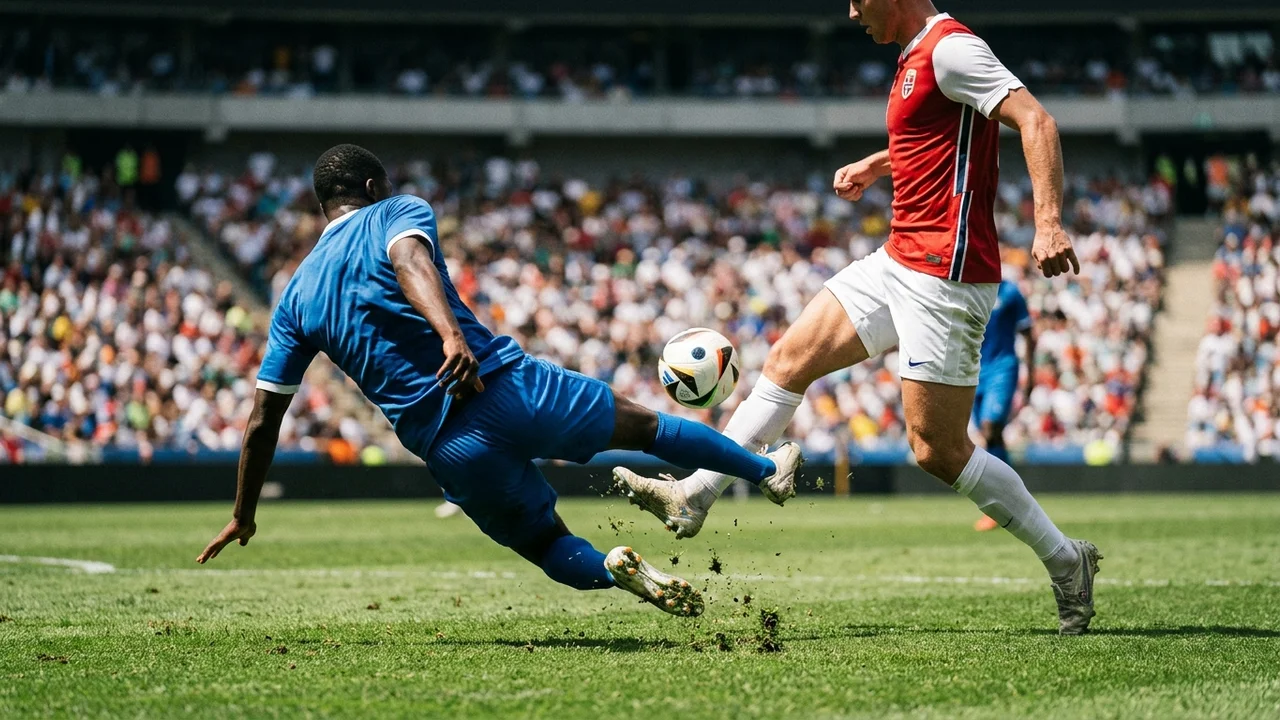
Eight. That’s how many red cards referees have already flashed at the 2026 World Cup, matching the total from Russia 2018 and Qatar 2022 combined. Forget any notion that football’s biggest stage has become a sterile, data-driven showcase. This World Cup is a powder keg, and the officials aren’t afraid to spark it.
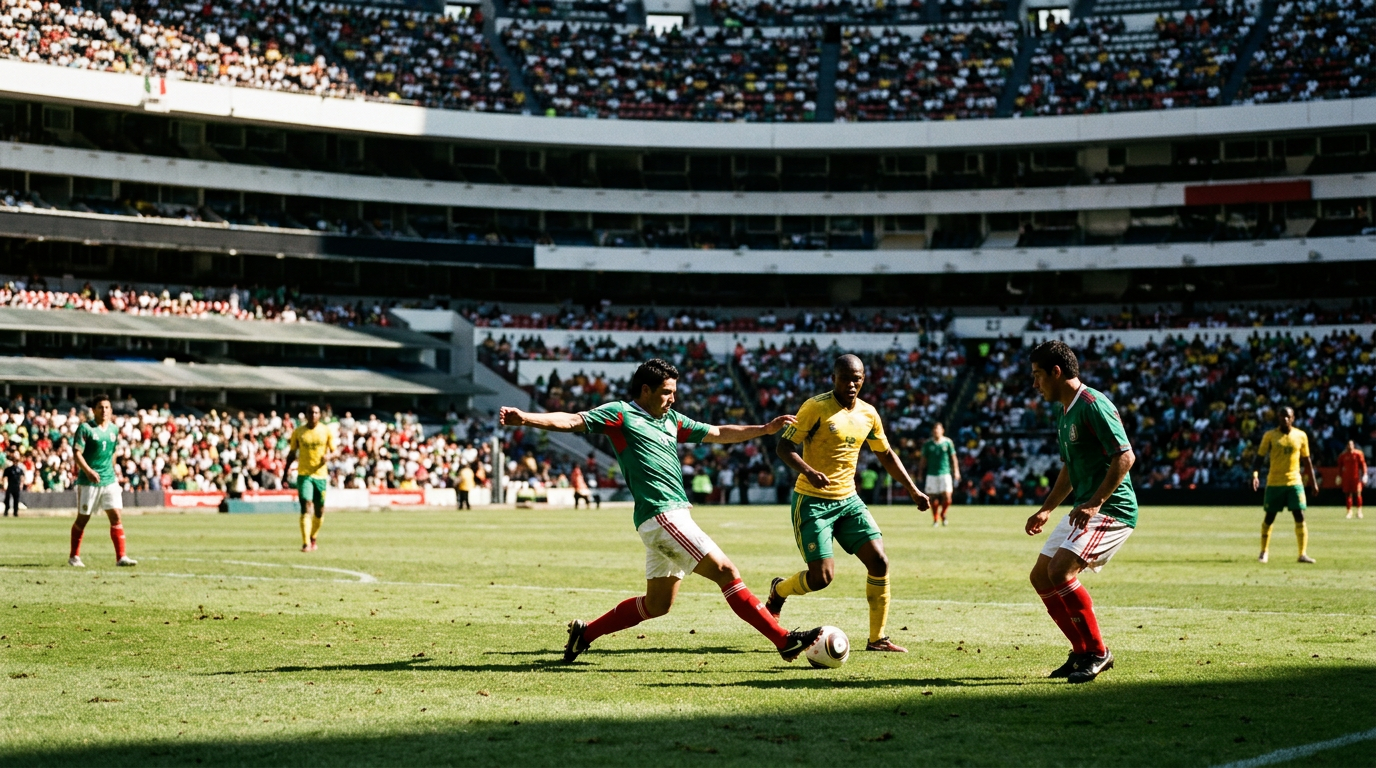
The group stage isn’t even finished, yet discipline has gone out the window. The Mexico vs South Africa opener? Three red cards in one match. South Africa’s Sphephelo Sithole and Themba Zwane both got their marching orders, making them just the 15th team in World Cup history to finish with nine men. Mexico’s César Montes joined them in stoppage time, sent off to complete the carnage.
Here’s how the numbers stack up:
| Tournament | Red Cards Issued (by this stage) | Total Red Cards (full tournament) |
|---|---|---|
| Russia 2018 | 4 | 4 |
| Qatar 2022 | 4 | 4 |
| USA/Canada/Mexico 2026 | 8 | (Still counting) |
Referees aren’t hesitating. Belgium’s Nathan Ngoy saw red in a goalless draw with Iran. Paraguay’s Miguel Almirón was ejected for a straight red against Turkey. Cards are flying, and the message is unmistakable: this tournament isn’t for the faint-hearted.
CAF’s Gamble: African Teams Double Down. Results a Mixed Bag
Ten African teams have made it to this expanded World Cup, double the number from Qatar. CAF fought for more slots, arguing that five out of 54 member nations was a farce. Now, with nine automatic qualifiers and DR Congo’s playoff heroics. Africa faces a new level of scrutiny. Critics want at least five African teams in the last 32, or else the expansion risks looking like empty tokenism.
So far, the results are all over the map. Tunisia imploded, sacking Sabri Lamouchi after a 5-1 humiliation by Sweden, then collapsing 4-0 to Japan. Seven coaches since qualifying began, and not a hint of stability. South Africa abandoned their trademark attacking football for a baffling back five, got hammered by Mexico, then scraped a lucky draw against Czechia. One last shot against South Korea awaits, but their passivity feels like a betrayal of everything that once made African football so compelling.
Egypt, though, have finally found their moment. Mohamed Salah, now 34 but still relentless, led them to their first ever World Cup win, coming from behind to beat New Zealand 3-1. Salah’s second-half performance, one goal, one assist, sent Egypt to the top of Group G with four points from two matches. Coach Hossam Hassan was blunt: “We were not going back out on to the pitch unless we were determined to win.” The message hit home.
Meanwhile, the World Cup remains the ultimate scouting bazaar. Ivory Coast’s Yan Diomande is already the talk of the tournament, with Liverpool. Manchester City. Real Madrid. PSG, and Bayern Munich all circling. Managers are finally seeing him up close, not just on highlight reels or heatmaps. As one manager put it, “what he can do is stored in the hard disk in my head.” No spreadsheet can replicate that. Christ Inao Oulai has also caught the eye, proof that even in the age of data, surprises remain for the sharpest scouts.
For those watching every angle, the 2026 World Cup is a gift. Goals and glory are only part of the story. Chaos, controversy, and the constant tug-of-war between control and unpredictability are everywhere. The red card count is already at historic levels, and the knockout rounds haven’t even started.
Weather could become the next headline. Severe storms and tornado warnings in some US host cities threaten to shape matches like France vs Iraq in Philadelphia as much as any tactical battle.
The tournament is only heating up. If the numbers are any indication, the chaos is just beginning.