In the ever-evolving landscape of African football and business, South Africa stands at a fascinating crossroads. Once hailed as a continental powerhouse, the country now faces formidable challenges and unprecedented competition from emerging market leaders across Africa. The nation’s new generation—fierce, ambitious, and brimming with talent—endeavors to revive South Africa’s legacy and reclaim its stature among the giants of the continent. But can this new wave truly topple the entrenched brands and dynasties of African football and innovation?
South Africa’s rich sports culture, woven tightly with its economic aspirations and growing industries, fuels a unique blend of competition and collaboration. As markets shift, and innovation accelerates in countries like Nigeria, Kenya, and Egypt, South Africa’s ecosystem grapples with political inertia, infrastructural challenges, and the significant task of nurturing fresh talent. Yet within these trials lies tremendous opportunity. From soccer pitches to startup incubators, the new generation is writing compelling success stories that hint at a seismic shift in continental dynamics.
Crucially, this transformation is not isolated to sports or technology. It threads through diverse sectors, where youthful energy challenges established norms and introduces fresh perspectives. South Africa’s new generation embodies a determination to overcome historical setbacks and foster growth by learning from the continent’s broader narrative. Against giants who have long ruled African markets and fields, this rising wave carries both the hope of change and the weight of expectation. As we explore these facets, the question remains: will South Africa’s nascent talents and innovators be able to dethrone the old guard and emerge as the continent’s next leaders?

South Africa’s Emerging Football Talent: A Force Challenging Established Continental Giants
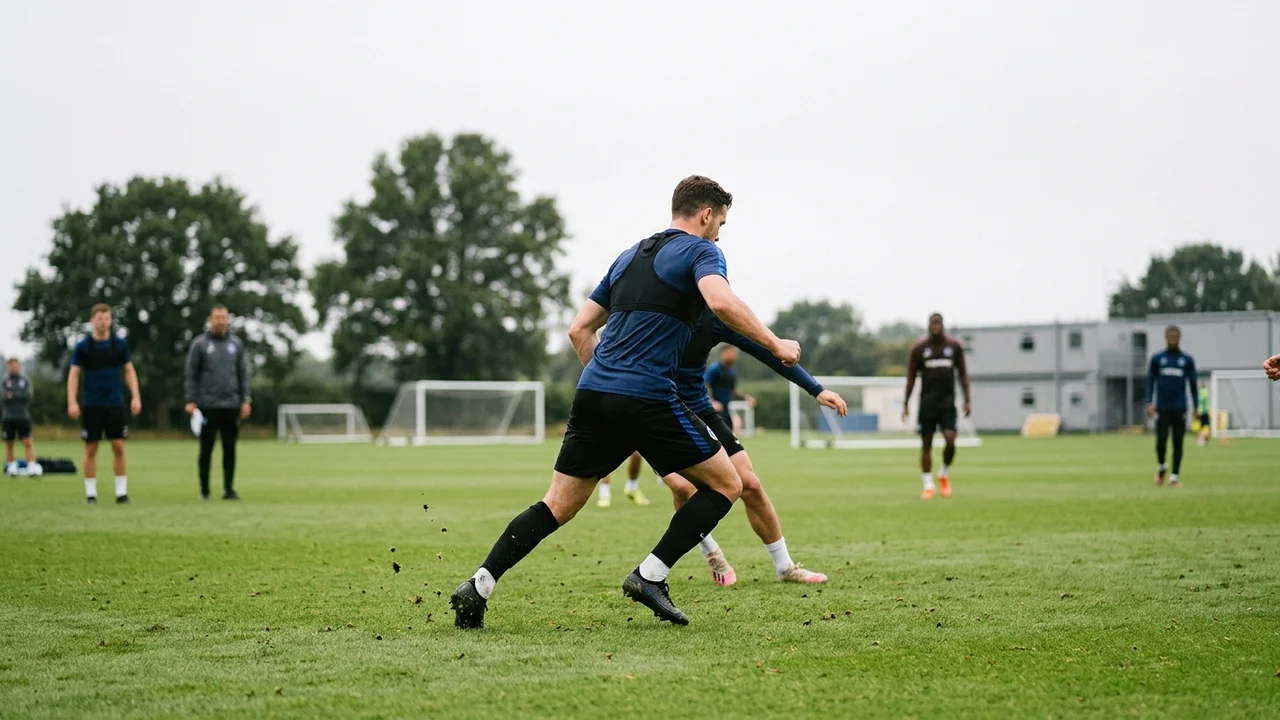
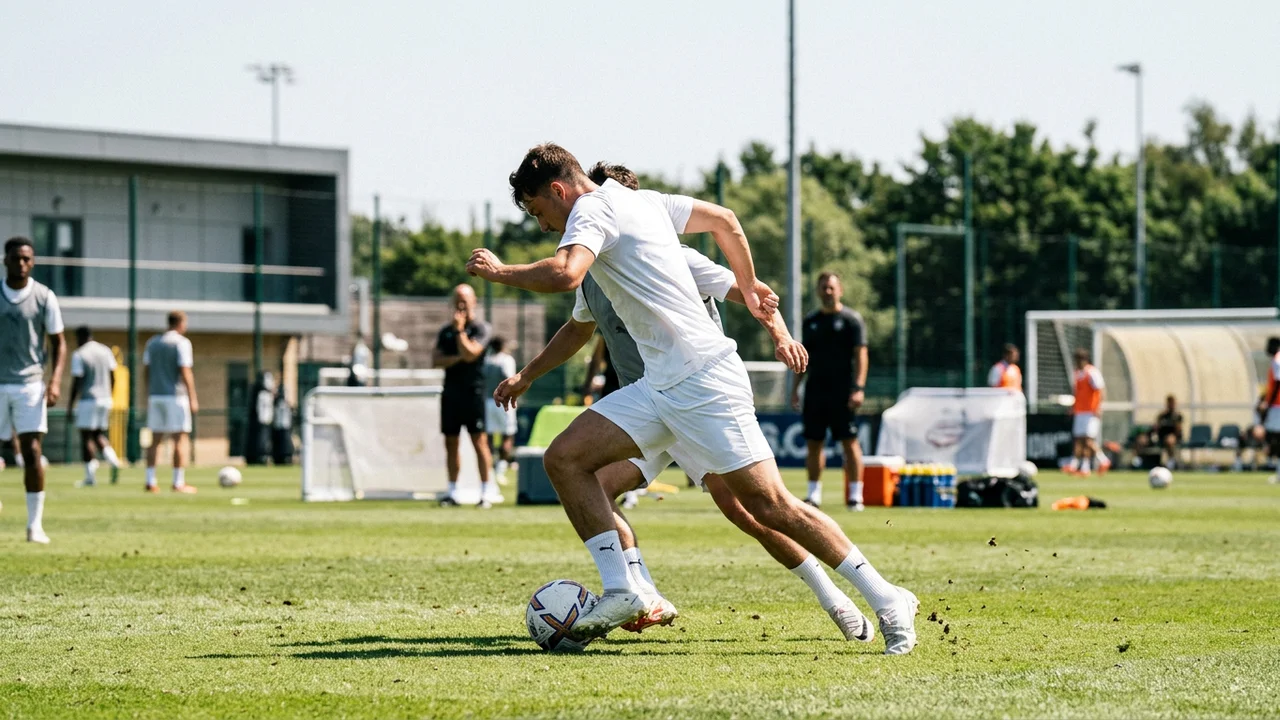
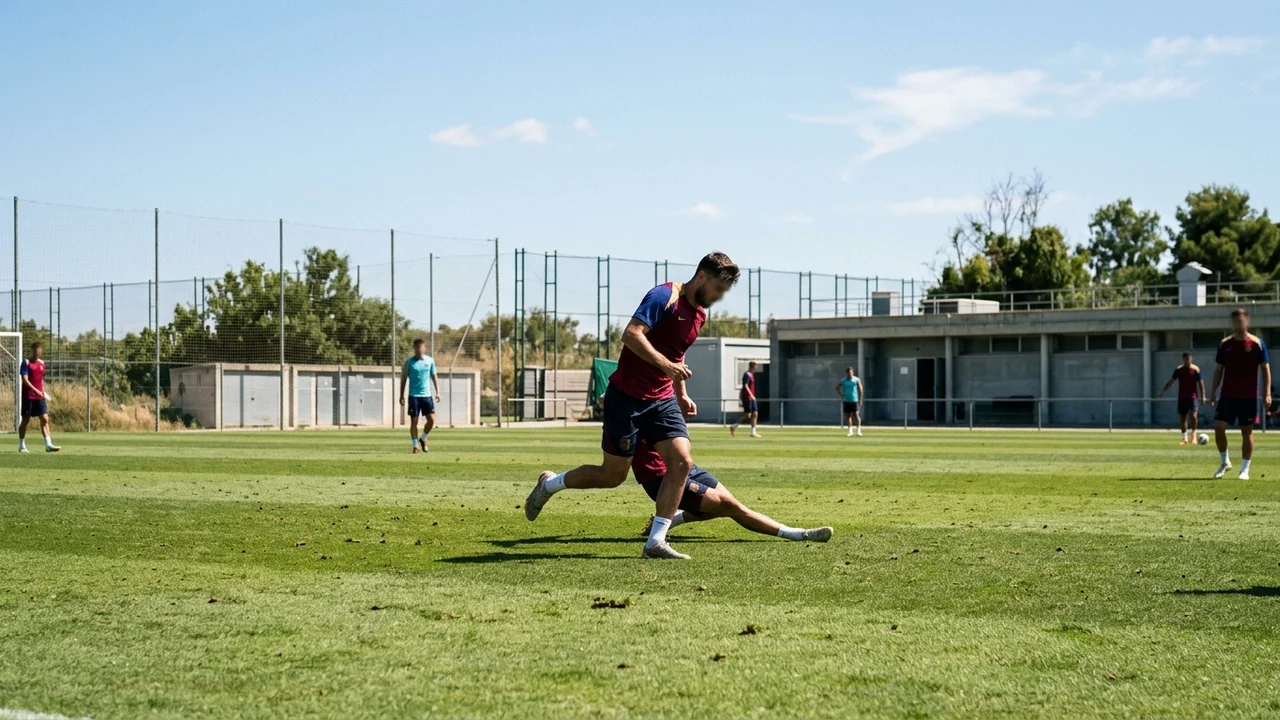
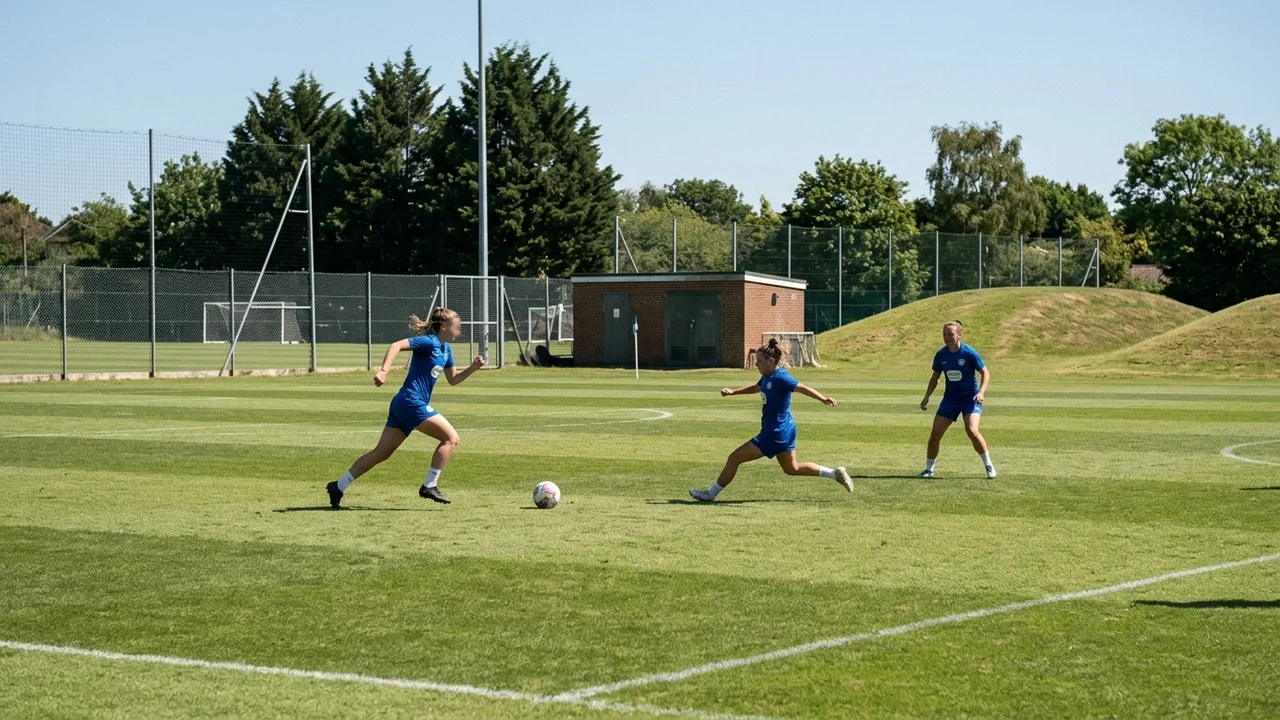
South Africa’s football ecosystem has historically been one of the continent’s most vibrant, yet in recent years, the rise of new talents challenges the dominance of traditional giants like Egypt’s Al Ahly or Nigeria’s Super Eagles. The nation’s under-23 and under-20 squads showcase a fresh generation primed with quick, technically gifted players ready to cap their potential on the continental stage.
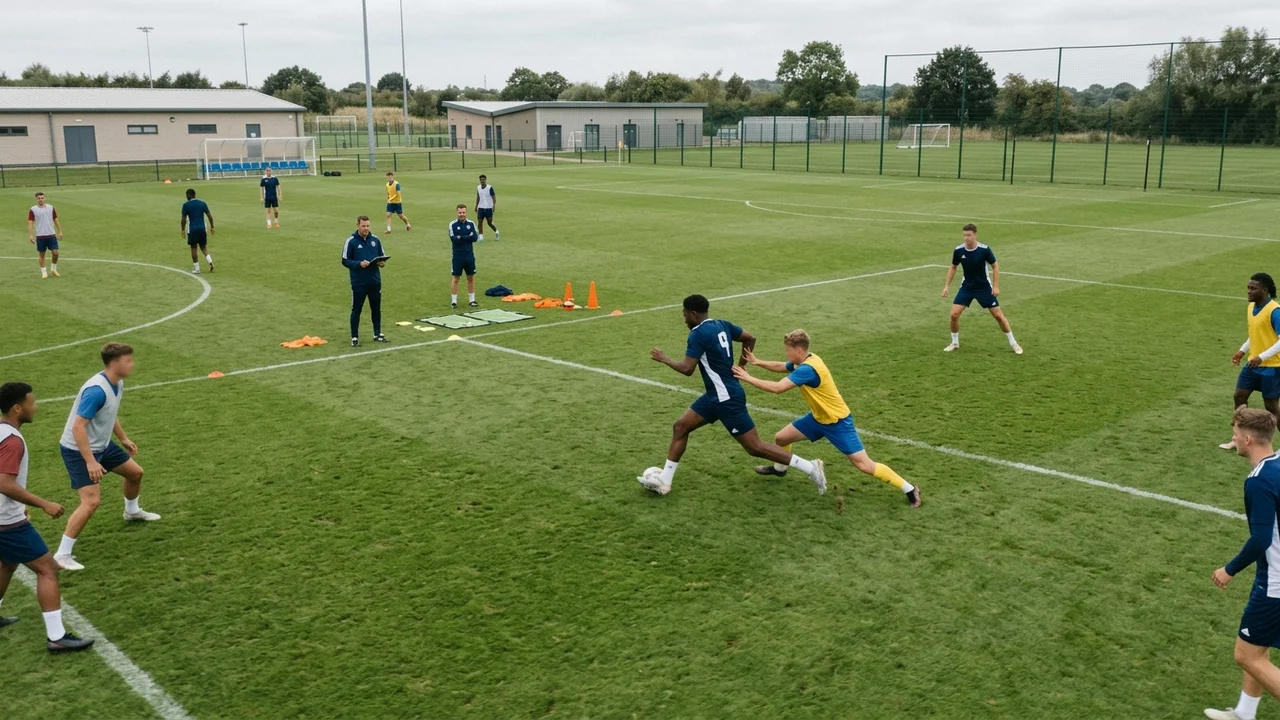
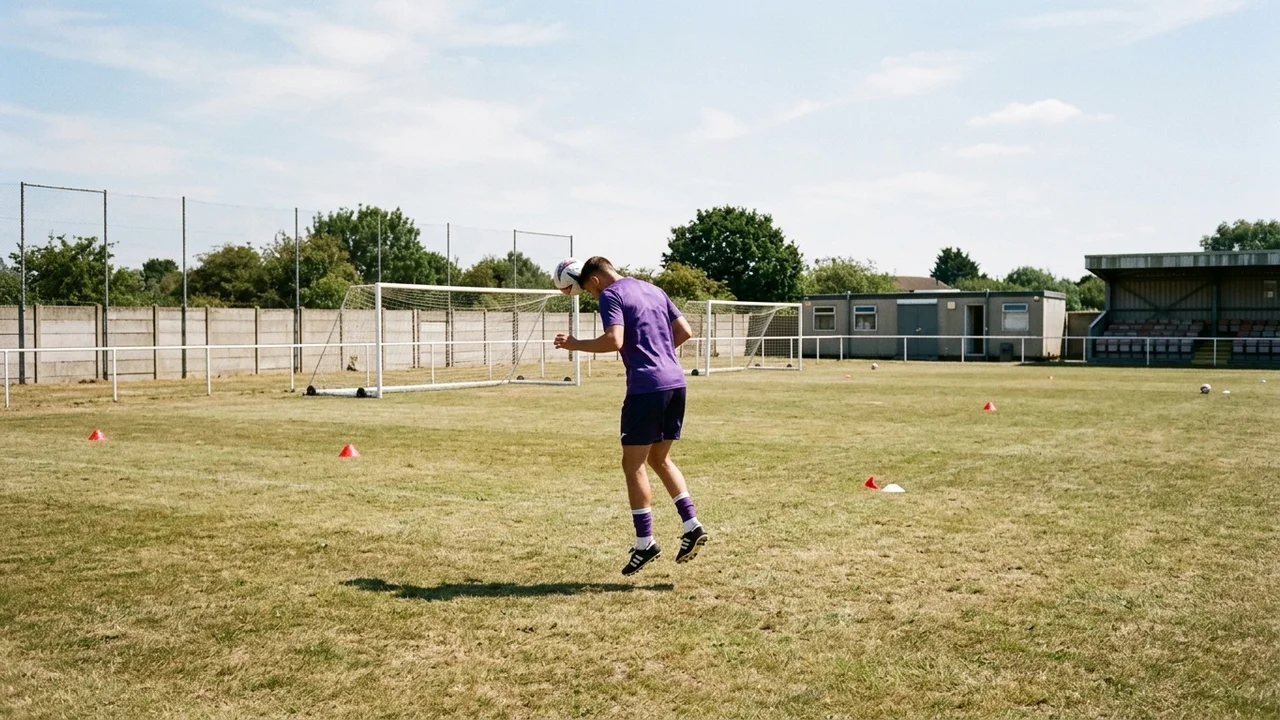
This new generation benefits from increased investment in youth academies and grassroots initiatives, a pivot from past strategies that often failed to nurture emerging talent adequately. Clubs such as Orlando Pirates and Kaizer Chiefs have strengthened their youth development pipelines, while new entities prioritize modern training methodologies shaped by global best practices.
Key to this development is the strategic integration of sports science and tactical training, aimed at producing well-rounded athletes who can compete internationally. The transition from local to continental competition has been facilitated by exposure in tournaments such as the Africa Cup of Nations (AFCON results) and the CAF Champions League, where South African clubs are sharpening their edge against Africa’s best.
- Growing Youth Academies: Expansion and modernization have improved coaching quality and scouting.
- Investment in Sports Science: Use of data, nutrition, and fitness to enhance player performance.
- International Exposure: Participation in continental competitions and partnerships with European clubs.
| Aspect | Characteristics | Impact on Performance |
|---|---|---|
| Youth Development | Increased funding and scouting programs | Higher skill level, tactical awareness |
| Technical Training | Focus on individualized training regimes | Improved fitness and skill execution under pressure |
| Competition Exposure | Regular participation in CAF tournaments | Experience against top-tier African clubs |
Success stories are beginning to emerge from South Africa’s leagues, signaling a shift in continental power balance. As these players gain visibility, their moves to international clubs bring invaluable experience and resources back to their home country’s football fabric (emerging African football talents).
Strategies That Are Elevating South Africa’s Football Scene
While raw talent is abundant, structural improvements in coaching, facilities, and management have been paramount. South African clubs actively scout and integrate tactical approaches that evolved in other parts of Africa and beyond, focusing on blending talent with smart game strategy. This includes the deployment of hybrid formations, blending physical might with skilful play and rapid counterattacks.
Such initiatives highlight the practical steps the new generation is taking to ensure they are not just participants but real contenders in African football’s premier events. The next few years could very well see South Africa breaking historic cycles and reshaping the continental football hierarchy.
Innovation and Economic Growth: Can South Africa’s New Generation Rival Established Continental Market Leaders?
South Africa’s economic narrative has long been dominated by its status as a regional powerhouse, but in 2025 the picture is layered with both promise and challenge. The nation’s startups, especially in fintech and health tech, are rising voices on the African continent, contributing to renewed hope in the country’s ability to reclaim its leadership role in innovation and economic growth.
However, South Africa is currently experiencing a decline in startup investment, particularly when compared to the surging ecosystems in Kenya, Nigeria, and Egypt. Factors such as political uncertainty, infrastructure constraints, and legislative inertia have slowed the pace of growth. Despite these challenges, South Africa’s mature market infrastructure offers unique advantages for those who can navigate its complexities.
- Strong Institutional Framework: Clearer business regulations compared to newer markets.
- Diversified Economy: Opportunities across fintech, biotech, and renewable energy sectors.
- Skilled Workforce: Home to a large pool of multilingual, educated youth ready to innovate.
- Support Networks: Incubators, accelerators, and mentorship programs growing steadily.
| Sector | Growth Indicators | South Africa’s Position |
|---|---|---|
| Fintech | Adoption rates, new startups founded | Leading in Southern Africa but trailing West African powerhouses |
| Biotech & Pharma | Research outputs, investment volume | Strong infrastructure and competitive, niche market |
| Renewable Energy Tech | Projects initiated, funding acquired | Emerging but constrained by energy policy |
By learning from the strategic and legislative frameworks that have benefited markets like Nigeria and Kenya—where startup ecosystems thrive due to investor confidence and regulatory backing—South Africa could enhance its position among continental giants (African football leagues insights).
Anchored in solid institutions and a tradition of vibrant sports engagement, South Africa’s new generation entrepreneurs embody resilience and adaptability. Despite facing hurdles such as talents migrating abroad, they continue to innovate with bold projects that blend technological sophistication with socio-economic impact. Initiatives led by young leaders in Cape Town and Johannesburg are increasingly fostered by partnerships with global brands and governments, positioning the country as a hub for scalable business models.
Addressing Challenges to Spur Innovation and Competition
The challenges are tangible: regulatory delays, competition from more aggressive ecosystems, and the urgent need to retain and nurture local talent. However, these hurdles are sparking new conversations around policy reform, investment incentives, and greater inclusivity in entrepreneurship that could define South Africa’s growth trajectory over the next decade.
How South Africa’s Energy Transition Could Spark Competitive Gains Among Continental Giants
The country’s pivot toward renewable energy, amidst severe reliance on coal for over 80% of electricity, represents both a challenge and an opportunity to redefine its competitive edge in Africa. Eskom’s ambitious plan to integrate renewable sources and repurpose aging coal plants marks a pivotal moment in sustaining economic growth and energy security.
South Africa’s goal to reach 32 gigawatts of renewable capacity by 2040 is a monumental shift, but fraught with technical challenges, including the need for vast transmission infrastructure upgrades and managing an aging grid designed for centralized coal plants.
- Repowering Old Coal Plants: Hybrid plants combining solar, wind, and battery storage.
- Infrastructure Investment: Adding 9,000 miles of transmission lines over the next decade.
- Private Sector Involvement: Leveraging Renewable Energy Independent Power Producer Programme (REIPPP).
- Addressing Socio-Economic Concerns: Managing coal job losses with job creation in renewables.
| Area | Current Status | Goal by 2040 |
|---|---|---|
| Coal Dependency | Over 80% electricity generation | Phase out coal, replace with renewables |
| Renewable Capacity | 1 GW currently | 32 GW targeted |
| Transmission Lines | Designed for coal plants | 9,000 miles of new lines needed |
The socio-economic ramifications of this transition involve significant job displacements in coal-mining regions and require an integrated approach combining retraining, economic diversification, and environmental restoration as advocated by the Just Energy Transition Partnership.
Despite political resistance and financial constraints, forward-thinking policies and global partnerships remain critical. The Komati pilot project, for instance, exemplifies how innovation can turn legacy assets into beacons of renewable potential. It incorporates solar, wind, and battery storage to power local grids while retraining displaced workers—a model for future initiatives (African local leagues uniqueness).
Shifts in Continent-wide Investment Patterns: Is South Africa’s New Generation Ready to Compete?
In an Africa where startup investments soar, South Africa finds itself at a crossroads. While Nigeria, Kenya, and Egypt capture soaring records in capital inflow and entrepreneurial activity, South Africa’s investment climate has contracted by around 30%. The reasons run deep—from political uncertainties to energy challenges impacting business confidence.
Yet South Africa’s startup scene, led by a new and ambitious generation of founders, remains vibrant despite these headwinds. With nearly 490 tech startups employing over 11,000 people, and significant funding raised historically, the country boasts both the potential and the assets to rebound and rival predominant continental brands (Pyramids Champions League).
- Diversity of Sectors: Fintech dominance with burgeoning biotech and pharma ventures.
- Talent Retention Challenges: Addressing the brain drain and building stronger local ecosystems.
- Policy Reform Needs: Accelerating legislation to support startups and investments.
- International Collaborations: Leveraging partnerships with global tech companies.
| Country | Investment Growth YoY (2025) | Notable Startup Sectors |
|---|---|---|
| Kenya | +436% | Fintech, AgriTech |
| Nigeria | +154% | Fintech, HealthTech |
| South Africa | -30% | Fintech, Pharma, Biotech |
Though global economic slowdown poses a risk, experienced investors are recalibrating focus onto startups with proven revenue models and operational scalability, an area where South Africa’s ecosystem has showcased considerable promise (AFCON pride sporting heritage).

The Role of Brands and Sports in Elevating South Africa’s Continental Status
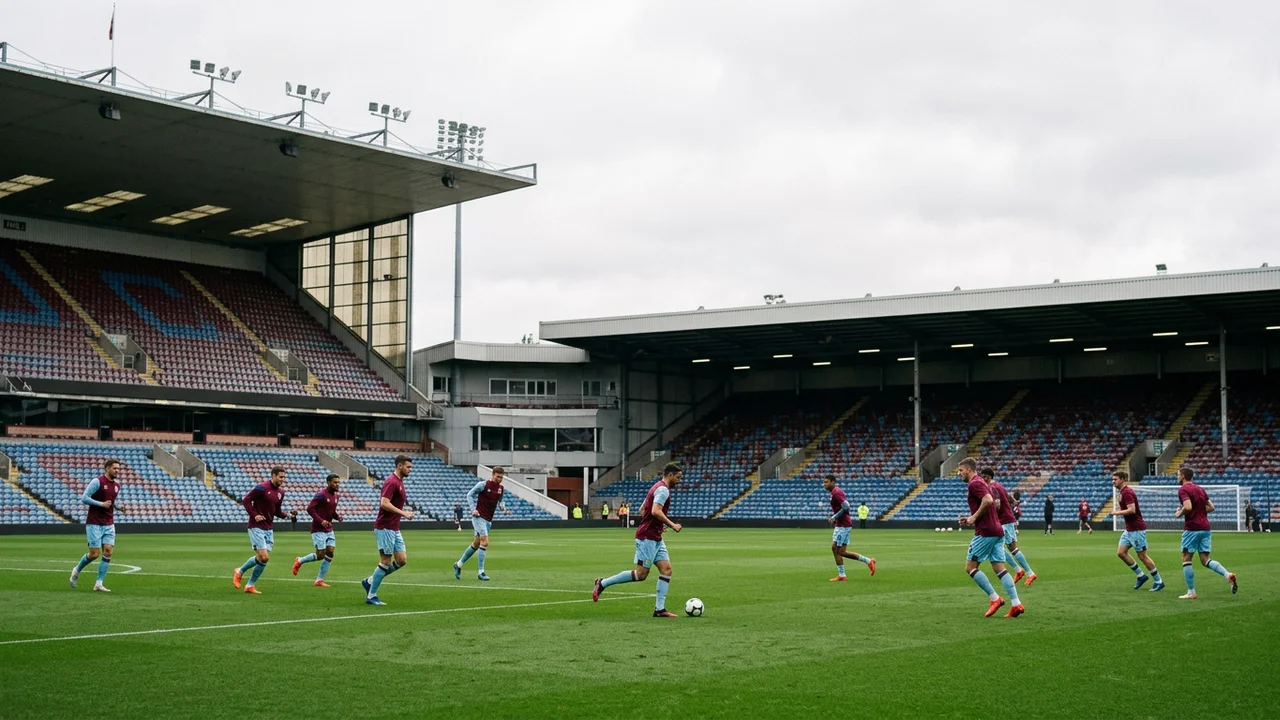
Sports remain a critical platform from which South Africa projects its continental influence. The country’s historic clubs, alongside rising teams, form a nexus of cultural pride and brand identity that transcends borders. Football brands such as Kaizer Chiefs and Orlando Pirates have not only cultivated loyal fanbases but have become symbols of South African excellence in competition, attracting international attention and investment.
These brands play a pivotal role in shaping narratives and inspiring the new generation while contributing to economic growth through merchandise, broadcast rights, and sponsorships. The dynamic sporting landscape fosters healthy rivalry with continental giants and propels innovation in club management, marketing, and fan engagement.
- International Exposure: Participation in CAF Champions League raises brand stature globally.
- Media Rights Expansion: Increasing profitability through strategic TV and digital rights deals (TV rights CAF Champions League).
- Community Impact: Grassroots programs leveraging club brands for social development.
- Sporting Heritage: Celebrating multi-generational legacies that fuel passion and identity.
| Brand | Continental Success | Growth Initiatives |
|---|---|---|
| Kaizer Chiefs | Multiple league titles, CAF appearances | Youth academy, international partnerships |
| Orlando Pirates | Recent upsets against established giants like Al Ahly (Orlando Pirates Al Ahly upset) | Community engagement, marketing programs |
| Mamelodi Sundowns | Continental trophies, CAF Champions League winners | Investment in data analytics and youth scouting |
Through these brands and their successes, South Africa not only markets its sporting prowess but also galvanizes a national identity deeply intertwined with competition and excellence. These dynamics echo across the continent and lay groundwork for future generations to shape African football and market competition alike (African football updates weekly news).