In the vibrant world of African football, the FIFA Club World Cup emerges as both a beacon of opportunity and a harsh mirror reflecting the continent’s sporting realities. As the 2025 tournament unfolds with an expanded format featuring 32 teams, including four top African clubs—Al Ahly, Espérance Sportive de Tunis, Mamelodi Sundowns, and Wydad AC—the stakes have never been higher. These clubs enter the tournament carrying the hopes of millions, eager to translate their continental dominance into a global breakthrough. Yet, despite consistent success within CAF competitions, African teams face persistent challenges when competing internationally. The tournament’s surreal juxtaposition of African flair against world-class tactical precision exposes cracks in preparation, development, and strategy. This unfolding drama not only highlights the current form of African teams but also underscores the urgent need for systemic change to bridge the performance gap.
Across stadiums in the United States—from Miami to Seattle—CAF champions contend with daunting adversaries such as Manchester City, Chelsea, and Palmeiras. The outcomes of these clashes reveal more than just wins or losses; they uncover deep-rooted factors affecting African teams’ performance on football’s largest club stage. From player development pathways and coaching strategies to sponsorship opportunities and international exposure, each element weaves into the complex tapestry defining African football’s trajectory at the Club World Cup.
For African football fans and analysts alike, the 2025 Club World Cup is a focal point for examining how the tournament’s impact will shape team performance and future prospects. Understanding the interplay between continental success and global challenges offers vital insights for aspiring players, coaches, and football leadership aiming to elevate African clubs beyond their regional strongholds. Below, we delve into the key aspects influencing African teams’ form and what the tournament means for the continent’s football evolution.

Understanding African Teams’ Tactical and Technical Challenges at the CAF Club World Cup
The tactical nuances and technical demands of the Club World Cup stage are starkly different from those encountered within Africa’s football leagues and CAF competitions. African teams often excel in matches marked by physicality and individual brilliance, attributes honed by grappling with diverse and challenging local conditions. However, at the international competition level, the expectation pivots towards intricate tactical discipline, rapid decision-making, and cohesive team play, qualities that are still maturing in many African clubs.
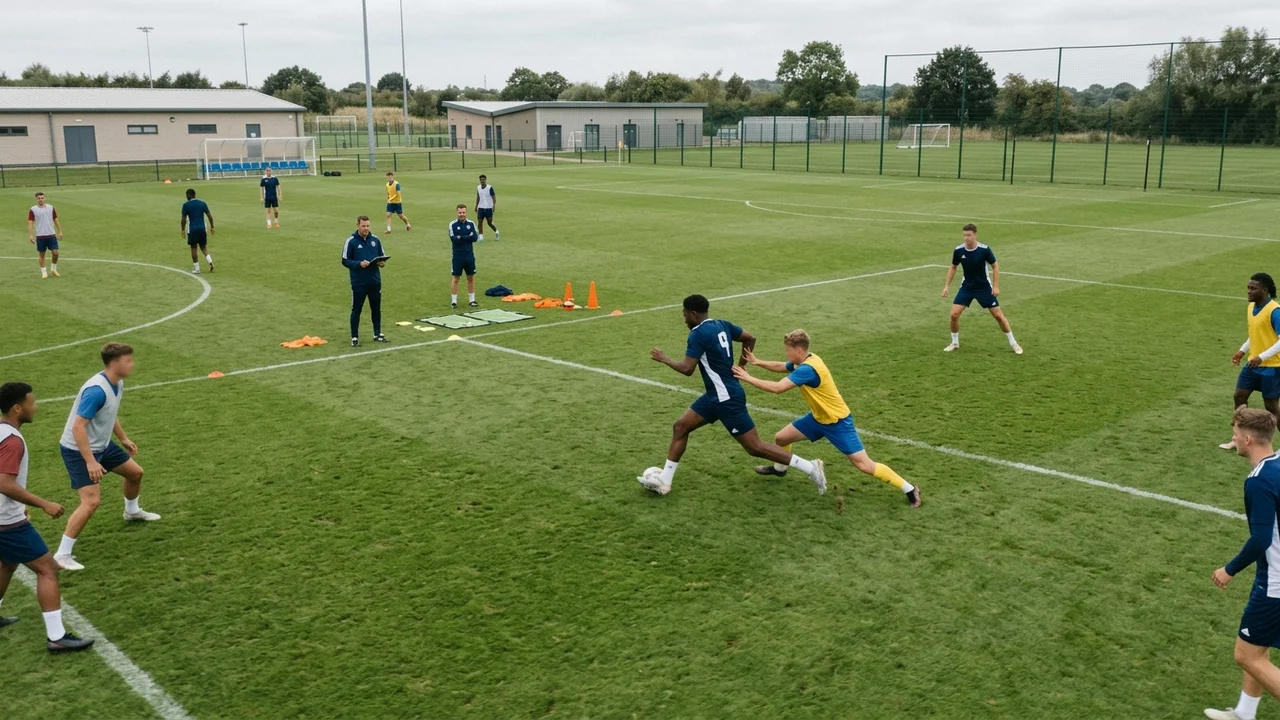
One striking observation is the reliance on athleticism and improvisation rather than a structured game plan solidified through consistent, high-level coaching. This tactical gap becomes glaring when African clubs face opponents who operate with military-like precision, such as European giants Manchester City or Brazilian powerhouses Palmeiras. These teams not only execute complex pressing systems but also demonstrate clinical finishing and controlled possession, leaving little room for improvisation.
Key Tactical Weaknesses and Their Effects
- Lack of Consistent Tactical Training: Most African clubs do not have the resources to sustain long-term coaching programs that inculcate modern tactical concepts, impacting match awareness and adaptability.
- Defensive Organization: African teams often struggle with maintaining shape under pressure, leading to costly defensive lapses.
- Transition Play: Quick and efficient transition between defense and attack is essential at the Club World Cup, yet many African sides experience breakdowns during these phases.
- Set Pieces and Game Management: Tactical awareness during crucial moments, such as corners or holding leads, is often lacking compared to international competitors.
The challenge lies in evolving from a football culture heavily reliant on individual talent and raw energy to one that balances creativity with tactical robustness. Clubs that invest in coaching education and integrate sports science stand a better chance of narrowing this deficit.
| Aspect | African Teams’ Common Approach | Top International Clubs’ Approach | Impact on Match Outcome |
|---|---|---|---|
| Tactical Training | Irregular, inconsistent, often short-term | Continuous, data-driven, well-planned | Leads to tactical inflexibility in African teams |
| Defensive Organization | Frequent lapses, poor shape | Disciplined, coordinated line defense | Results in conceding avoidable goals |
| Possession & Transition | Often reactive, slower | Proactive, fluid, rapid transitions | Loss of control and counterattack vulnerability |
| Set Pieces | Occasional effectiveness | Meticulously rehearsed and utilized | Missed scoring and defensive chances |
For African clubs keen on transforming their international fortunes, embracing tactical evolution is non-negotiable. Sports enthusiasts can discover deeper insights on coaching philosophies reshaping African football’s horizon at African Football HQ.

Impact of Player Development and Talent Drain on African Teams’ Club World Cup Form
One of the enduring challenges for African football is the rapid export of its finest talent to overseas markets. The continent’s brightest stars often transition to European or Middle Eastern leagues during their teenage years, leaving clubs with reduced access to seasoned elites when facing international rivals. This player drain influences not only the quality but also the depth of squads heading into the Club World Cup.
While clubs like Al Ahly or Wydad AC boast deep-rooted histories and passionate fanbases that contribute to continental domination, their rosters can lack the international experience and polished skills found on European benches. This is critical because the Club World Cup is not just a test of starting lineups but also of squad resilience when injuries or fatigue set in.
How Player Development Programs Shape Club World Cup Performance
- Insufficient Long-Term Youth Development: Few African clubs have youth academies equipped to nurture future stars comprehensively, limiting sustainable talent growth.
- Early Player Migration: Talented young players often depart for opportunities abroad before gaining vital senior-level experience locally.
- Limited Access to World-Class Training Facilities: Resource constraints hamper player skill refinement, conditioning, and injury prevention efforts.
- Lack of Competitive Exposure: African clubs have fewer opportunities to regularly compete with diverse international opponents, hindering adaptation to high-pressure matches.
Addressing these gaps through strategic investment in player development is a cornerstone for improving African clubs’ performances on the international competition stage. Globally-minded supporters can explore how African footballers are reshaping football worldwide at African Football HQ.
| Player Development Challenge | Effect on African Teams | Potential Remedies |
|---|---|---|
| Talent Drain to Foreign Clubs | Loss of veteran presence and depth | Improved contracts, club prestige, and development pathways |
| Underdeveloped Youth Systems | Limited skilled player pipeline | Focus on academies and training facility upgrades |
| Inadequate Conditioning and Medical Facilities | Increased injuries and fatigue | Investment in sports science and medical teams |
| Scarcity of International Matches | Lower adaptability to tournament intensity | Arrange regular friendlies with global clubs |
How CAF Club World Cup Participation Influences Coaching Strategies in African Clubs
The jump from regional CAF competitions to the Club World Cup underscores a critical demand for evolved coaching strategies. The tournament’s spotlight reveals not only players’ deficiencies but also the imperative for more sophisticated tactical planning, preparation, and in-game adjustments. African clubs frequently face a scalp-hunting collection of tacticians from around the world, pushing the limits of domestic coaching methodologies.
Many African coaches must navigate administrative challenges, limited scouting resources, and underdeveloped support staff, which restricts their ability to innovate. However, the experience gained in international competition stimulates a gradual evolution in coaching philosophies, eventually permeating local leagues and academies.

Elements Driving Changes in Coaching Approaches at the 2025 Club World Cup
- Increased Use of Data-Driven Analysis: Coaching staffs are starting to adopt video analysis and performance metrics to guide team selections and tactics.
- Adaptation to Opponent Styles: Coaches focus on flexible game plans, preparing teams to counter diverse playing styles.
- Enhanced Physical Preparation: Clubs are placing higher emphasis on stamina, recovery, and injury prevention through scientific approaches.
- Leadership and Mental Strength: Psychological coaching to handle pressure and media enhances overall performance.
The ongoing coaching evolution not only benefits African teams at the Club World Cup but also fosters a more competitive environment within CAF competitions. Enthusiasts can delve further into how African football ownership and governance affect such transformations at African Football HQ.
| Coaching Aspect | Traditional Approach | Modern Adaptations | Impact on Team Performance |
|---|---|---|---|
| Tactical Preparation | Largely intuitive, based on experience | Incorporates video scouting and data analytics | Improved opponent-specific strategies |
| Physical Conditioning | Basic endurance training | Personalized fitness programs and recovery protocols | Reduced injuries and higher stamina |
| Psychological Training | Minimal focus | Structured mental resilience coaching | Better composure under pressure |
| In-Game Management | Reactive and static | Proactive substitutions and tactical shifts | Enhanced adaptability during matches |
Effect of the FIFA Club World Cup’s Expansion on African Teams’ Exposure and Sponsorship Opportunities
The expansion of the FIFA Club World Cup to 32 teams in 2025 represents a watershed moment for African clubs, increasing their representation and visibility on a global platform. This wider spotlight creates enhanced potential for sponsorship opportunities and commercial growth, which are vital drivers for long-term football development.
Traditionally, African clubs have struggled to attract sustainable sponsorship deals and lucrative TV rights comparable to European or South American counterparts. Limited exposure and infrastructural gaps contributed to this gap. However, with clubs like Al Ahly and Wydad AC competing against globally recognized brands, new avenues for business partnerships are emerging.
Implications of Global Exposure for African Clubs
- Increased Brand Value: Competing on a world stage elevates club reputations, attracting multinational sponsors.
- Enhanced TV Rights and Media Deals: Expanded tournament schedules facilitate broader broadcasting, increasing revenue streams.
- Boost to Domestic Leagues: Higher-profile players returning after international experiences can stimulate interest at home.
- Grassroots Investment: Revenues from sponsorships can funnel into youth development and facilities upgrades.
Nevertheless, capitalizing on these opportunities requires strategic marketing and professional club management—areas where African teams are progressively investing. Football enthusiasts can learn more about African football’s market dynamics and TV rights at African Football HQ.
| Exposure Aspect | Before 2025 Expansion | Post-Expansion Impact | Benefits for African Teams |
|---|---|---|---|
| Global Audience Reach | Limited to few matches | Regular group-stage participation increases viewership | Broader fanbase and market |
| Sponsorship Deals | Scarce and regional | Multinational brand interest rises | More funding and resources |
| Player Marketability | Lower due to less exposure | Players showcased globally gain attention | Improved player transfers and contracts |
| Media Rights | Concentrated on CAF competitions | Expanded to global broadcasters | Increased revenue and exposure |
Challenges and Opportunities for African Teams in the 2025 CAF Club World Cup Format
The 2025 CAF Club World Cup arrives with a fresh, challenging structure—32 teams divided into multiple groups, each vying for knockout stage qualification. African representatives—Al Ahly, Wydad AC, Espérance Sportive de Tunis, and Mamelodi Sundowns—face intense group-stage competition against globally acclaimed clubs, demanding elevated performance levels and unity.
One example is Al Ahly’s tough Group A, where they meet hosts Inter Miami CF, FC Porto, and SE Palmeiras. These fixtures encapsulate the uphill battle for African teams needing to adapt fast to international standards. Simultaneously, this format offers a chance to showcase African football’s progress on an unprecedented scale.
Breaking Down the Group Stage Challenges
- High-Quality Opponents: African entrants compete against clubs with deep resources, tactical discipline, and international experience.
- Travel and Scheduling Demands: Matches scattered across multiple cities in the USA add logistical complexity affecting player fitness and focus.
- Pressure of Expectations: Carrying the pride of a continent often creates psychological pressures impacting performance.
- Need for Squad Depth: Demanding group stages require rotation and backups capable of matching top-tier players.
Despite these hurdles, African teams can capitalize on their fighting spirit and experience in CAF tournaments to challenge established powers. Tactical acumen combined with improved player conditioning and international exposure could facilitate surprising upsets. Fans keen to follow African teams’ journeys can find regular updates and analyses at African Football HQ.
| African Team | Group | Notable Opponents | Match Dates and Venues |
|---|---|---|---|
| Al Ahly (Egypt) | A | Inter Miami CF, FC Porto, SE Palmeiras |
|
| Wydad AC (Morocco) | G | Manchester City, Al Ain, Juventus |
|
| Espérance Sportive de Tunis (Tunisia) | D | CR Flamengo, Club León, Chelsea |
|
| Mamelodi Sundowns (South Africa) | F | Ulsan HD, Fluminense, Borussia Dortmund |
|