The football calendar in Africa faces unprecedented challenges as African teams prepare to partake in the expanded FIFA Club World Cup in the United States alongside the Africa Cup of Nations (AFCON). With the 2025 Club World Cup hosting 32 global teams from mid-June to mid-July, conflicts with AFCON, initially slated for June-July in Morocco, have forced a rescheduling to early 2026. This shuffle signals a complex interplay between scheduling, player welfare, and the commercial ambitions of CAF (Confederation of African Football) and FIFA. African clubs face intense scrutiny as their participation impacts national teams’ preparation cycles, player fitness, and tactical readiness. The overlapping demands of club and country provoke debate on whether players can realistically serve both loyally without compromising performance or health. Beyond logistics, this scenario offers a lens into the evolving status of African football on the global stage—where sports sponsorship, broadcasting rights, and football analytics intermingle to shape the future of the continent’s game. Fans, coaches, and players are caught in a balancing act, mindful that these tournaments represent not just contests, but arenas where African football’s pride, heritage, and progress are fiercely displayed.

Impact of the Club World Cup on AFCON Scheduling and Player Availability
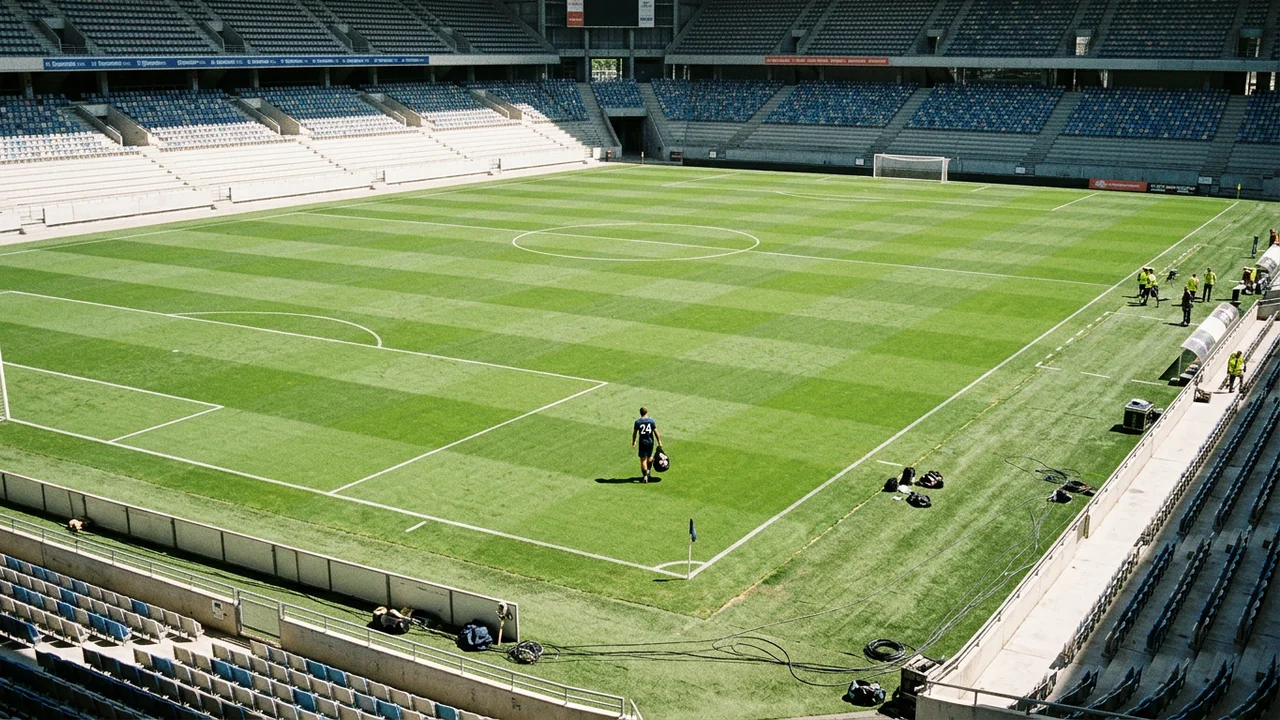
The 2025 FIFA Club World Cup’s expansion to 32 teams marks a milestone event played across 12 venues in the United States from June 14 to July 13. This unprecedented scale coincides directly with the original June-July window of the Africa Cup of Nations, compelling CAF to defer AFCON 2025 to early 2026 in Morocco—a decision armored by concerns over player welfare and fixture congestion.
This change not only disrupts the usual rhythm of African football’s flagship event but also initiates a domino effect across club and national team commitments. CAF’s general secretary Veron Mosengo-Omba emphasized the delicate nature of this balance, stating the necessity to “make sure that the dates…will be in the interests of the players.”
Key issues arise around player availability as many African stars featuring in European leagues are expected to represent their clubs at the World Cup then join national squads in a compressed timeframe to prepare for AFCON. This double duty carries risks:
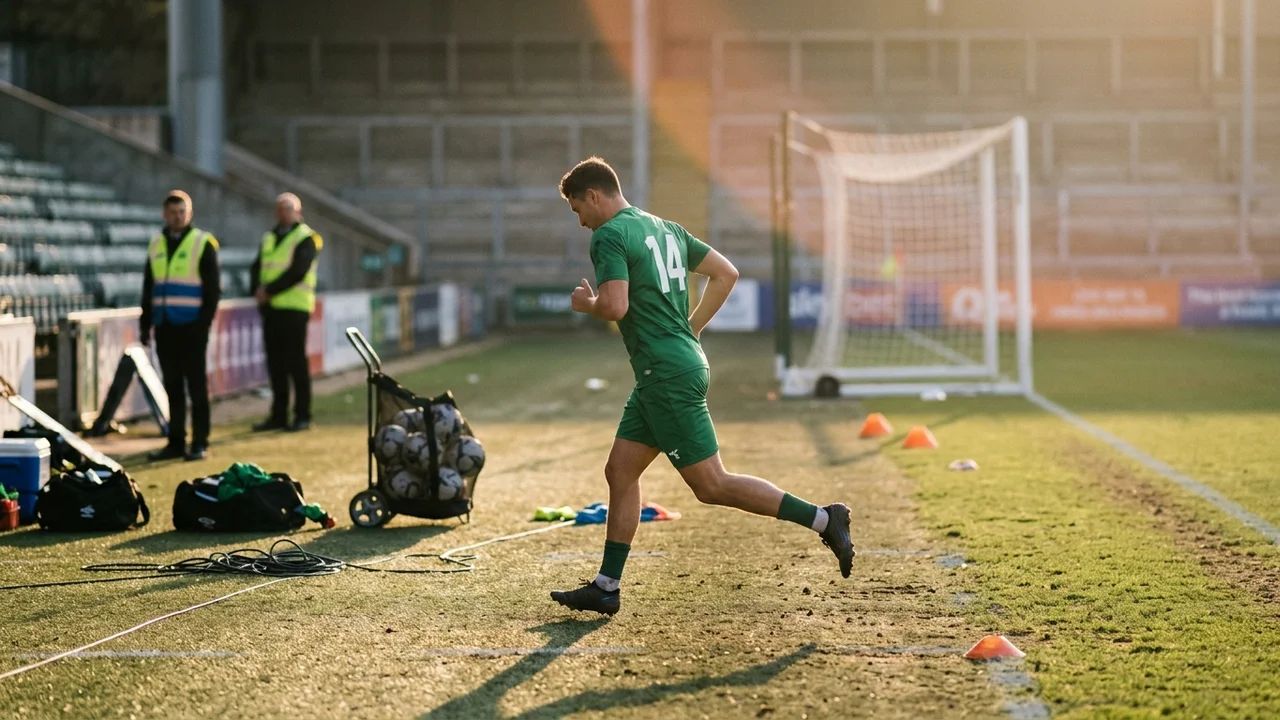
- Physical and mental fatigue: Players returning from a gruelling international club tournament may struggle to reach peak form by AFCON kickoff.
- Injury risks: Back-to-back tournaments increase chances of injury, potentially weakening national teams.
- Club vs. country dilemma: European clubs may be reluctant to release African players during critical transfer windows or early pre-season phases following the Club World Cup.
- Preparation disruption: National teams lose crucial build-up time due to players’ late arrivals or fatigue.
Ultimately, the overlap has forced CAF to rethink traditional scheduling, absorbing lessons from previous AFCONs held mid-season—where clubs expressed frustration over losing crucial players.
| Competition | Original Scheduling | Rescheduled Dates | Primary Challenge |
|---|---|---|---|
| 2025 FIFA Club World Cup | June 14 – July 13, 2025 | Unchanged | Expanded format, overlapping with AFCON |
| 2025 Africa Cup of Nations | June – July 2025 | Early 2026 | Rescheduled due to Club World Cup |
The decision to postpone AFCON underscores the intricate relationship between CAF and FIFA in managing the increasingly crowded international calendar. Yet, this scenario also ignites debates: While clubs earn lucrative opportunities from the Club World Cup’s sports sponsorships and broadcasting rights, national pride from AFCON remains foundational for African football’s identity.
Challenges in Maintaining Player Fitness and Mental Readiness Amidst Back-to-Back Tournaments
The dual demands of the Club World Cup and AFCON require African players to operate under intense physical and psychological strains. The reality exposes the thin line between elite performance and burnout, a concern magnified by distinct playing styles, travel distances, and environmental shifts between the USA and Morocco.
Players often speak candidly about this dilemma. Brentford midfielder Frank Onyeka’s experiences underscore the emotional thrill of representing Nigeria contrasted with the struggles of reintegration into club football post-AFCON. With the Club World Cup adding an additional layer, players must prepare for an even more relentless cycle.
- Travel fatigue: Traveling from Africa to the US and back to Africa within weeks taxes players’ recovery and acclimatization.
- Competitive intensity: Facing elite clubs like Real Madrid and Manchester City in the Club World Cup demands peak sharpness.
- Limited rest periods: The short offseason reduces opportunities for physical recuperation and tactical training.
- Mental health considerations: Pressure from fans, media, and personal aspirations can heighten stress.
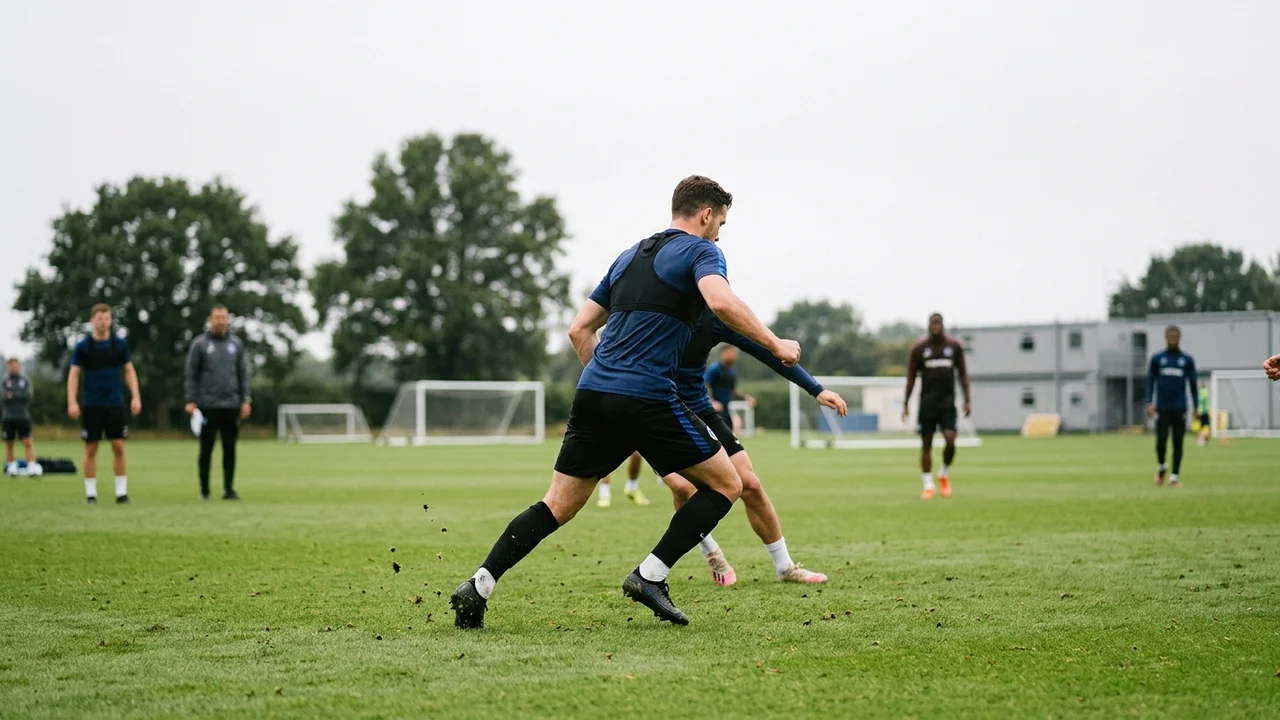
Coaches and medical staff must leverage football analytics and sports science to monitor player workloads meticulously. Balancing training intensity and rest cycles becomes crucial to prevent overuse injuries affecting both club and national team campaigns.
Furthermore, clubs and national team managers must synchronize efforts in management strategies, sharing data and ensuring player welfare. This collaboration could mark a shift toward a more united approach in African football, reflecting the evolving sophistication of football management on the continent.
| Factor | Impact on Players | Management Response |
|---|---|---|
| Back-to-back Tournaments | Fatigue, injury risk | Structured rotation, rest schedules |
| International Travel | Jet lag, acclimatization stress | Advanced recovery protocols |
| Competitive Pressure | Mental stress | Mental health support, counseling |
Despite these hurdles, the Club World Cup also offers an exceptional platform for African players to showcase talent on a global stage, gaining exposure and experience vital to their development — a notion that supports the growth narrative celebrated in here.
How African Clubs’ Exposure at the Club World Cup Advances Continental Football Development
Participation of African clubs in global competitions like the FIFA Club World Cup transcends mere tournament appearances — it becomes a cornerstone in elevating African football’s technical and tactical standards.
Exposure to elite teams from Europe, South America, and Asia enables continental clubs like Al Ahly, Espérance, Mamelodi Sundowns, and Wydad to benchmark themselves against the best. Each game acts as a learning curve, facilitating the evolution of African football tactics and team management.
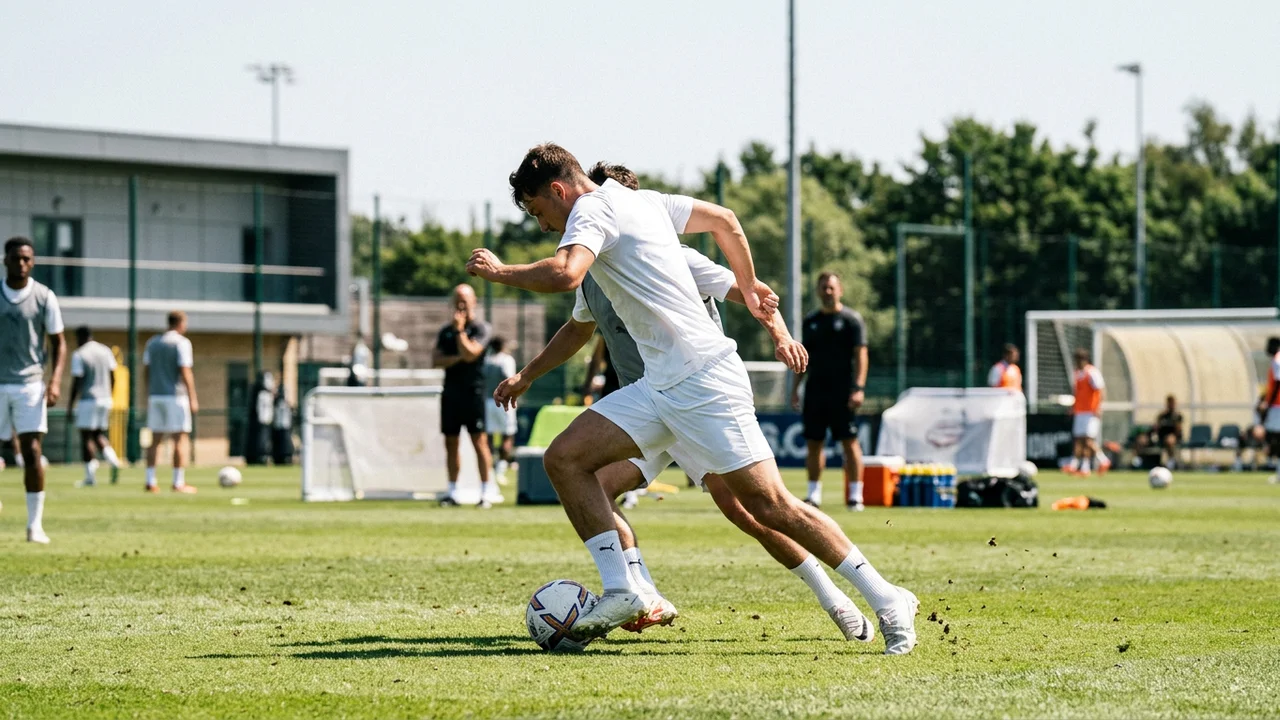
- Knowledge transfer: Facing top clubs introduces advanced tactical approaches, conditioning, and sports science practices.
- Player development: Competing at a high level cultivates resilience and adaptability among emerging talents.
- Sponsorship and broadcasting: Global exposure attracts lucrative partnerships, benefiting club finances and CAF’s overall ecosystem.
- Raising profile: Strong performances enhance the continent’s reputation, accelerating opportunities for players and managers internationally.
African football legends such as Didier Drogba and Samuel Eto’o have long echoed the value of such tournaments as platforms for talent recognition and growth. This manifests in enhanced scouting networks and a strategic focus on youth development within clubs.
Closer investigation reveals the intertwined dynamics between CAF’s commercial strategies and the footballing ambitions of clubs and federations. The synergy between success on the Club World Cup stage and AFCON triumphs can serve as a catalyst propelling African football into a new era.
| Benefit | Explanation | Stakeholders Impacted |
|---|---|---|
| Tactical Advancement | Learning from global football tactics and analytics | Coaches, players, technical staff |
| Financial Growth | Increased sponsorship and broadcasting rights revenue | Clubs, CAF, players |
| Talent Elevation | Enhanced player profiles and career opportunities | Players, national teams |
| Continental Prestige | Improved global perception of African football | Clubs, federations, fans |
For detailed insights into tactical evolutions inspired by encounters at international tournaments, readers may reference a comprehensive resource on African football’s tactical development here.
Balancing Club and Country: The Persistent Dilemma for African Footballers
African players face a recurring tension between club duties and representing their countries at AFCON, a scenario intensified by overlapping calendars like the 2025 FIFA Club World Cup and the postponed AFCON tournament. This tug of war implicates many facets of an African footballer’s career and identity.
For clubs, especially in top European leagues, the absence of star players due to international duty can disrupt strategies and affect league performance. Managers like West Ham United’s David Moyes have publicly lamented the loss of talents such as Mohammed Kudus during AFCON windows, highlighting the tangible impact on club form.
Yet, representing the national team remains a dream and duty close to every African player’s heart. Midfielder Frank Onyeka’s words encapsulate this insider’s perspective: the honor of wearing the national colours often outweighs club concerns, even amid the challenges of reintegration afterward.
- Club concerns: Loss of key players during critical league phases.
- National pride: Players’ passion to represent their continent on the international stage.
- Fan perspectives: Supporters face a bittersweet reality, torn between club loyalty and national pride.
- Managerial adjustments: Tactical shifts to accommodate player absences and returns.
This recurring dilemma affects sports sponsorships as well, where clubs invest heavily in player marketing during league campaigns, while federations rely on national team success to grow African football’s marketability globally.
| Stakeholder | Perspective on Club vs Country | Key Concerns |
|---|---|---|
| Players | Honor and career development vs. physical toll | Fatigue, injury risk, scheduling conflicts |
| Clubs | Maintaining squad fitness and performance | Player availability, financial implications |
| National Teams | Field strongest squads at AFCON | Preparation and player welfare |
| Fans | Loyalty to club and nation | Emotional conflict, support divided |
For a deeper dive into the rich narratives behind African football’s heartbeat and the players who embody it, visit African Football Legends’ Impact. This continuous conversation shapes the continent’s uniquely passionate soccer culture, bridging history and modernity.

Future Perspectives: Navigating the Confluence of Global Football Competitions and African Football’s Growth
As African football moves further into the global limelight, the overlapping of the FIFA Club World Cup and AFCON spotlights critical strategic decisions for CAF, clubs, and national teams. The 2025 scheduling challenges highlight broader questions about how the continent can optimize football analytics, broadcasting rights, and sports sponsorship to support growth sustainably.
Looking ahead, several strategic areas merit attention:
- Calendar harmonization: Establish working groups between CAF, FIFA, major leagues, and federations to find balanced international windows.
- Player welfare frameworks: Implement advanced monitoring and recovery standards using sports science and football analytics to minimize burnout.
- Commercial synergy: Develop integrated sports sponsorship deals that benefit both clubs and national teams, ensuring equitable resource distribution.
- Broadcasting optimization: Leverage multi-platform broadcasting to maximize African football’s global audience, enhancing revenue and visibility.
- Talent development pathways: Strengthen youth academies and management to ensure a steady pipeline of players capable of excelling across competing tournaments.
Such initiatives could transform existing challenges into opportunities, fortifying African football’s position on the world stage. Moreover, the emerging African Football League and other CAF competitions demonstrate an evolving portfolio that, if managed well, can accelerate the continent’s football renaissance.
| Strategic Focus | Action Required | Expected Outcome |
|---|---|---|
| Calendar Coordination | Engage stakeholders in dialogue | Reduced scheduling conflicts |
| Player Welfare | Adopt sports science driven monitoring | Enhanced player longevity |
| Commercial Growth | Build shared sponsorship platforms | Increased financial resources |
| Broadcast Reach | Prioritize multi-platform deals | Greater global exposure |
| Talent Pipeline | Invest in youth development | Continuous emergence of elite players |
This transformation aligns with the continent’s rising football interests, reflected in surging fan engagement and investment trends described in African Football Interest Skyrocketing, reinforcing the notion that African soccer is poised for a new golden era.