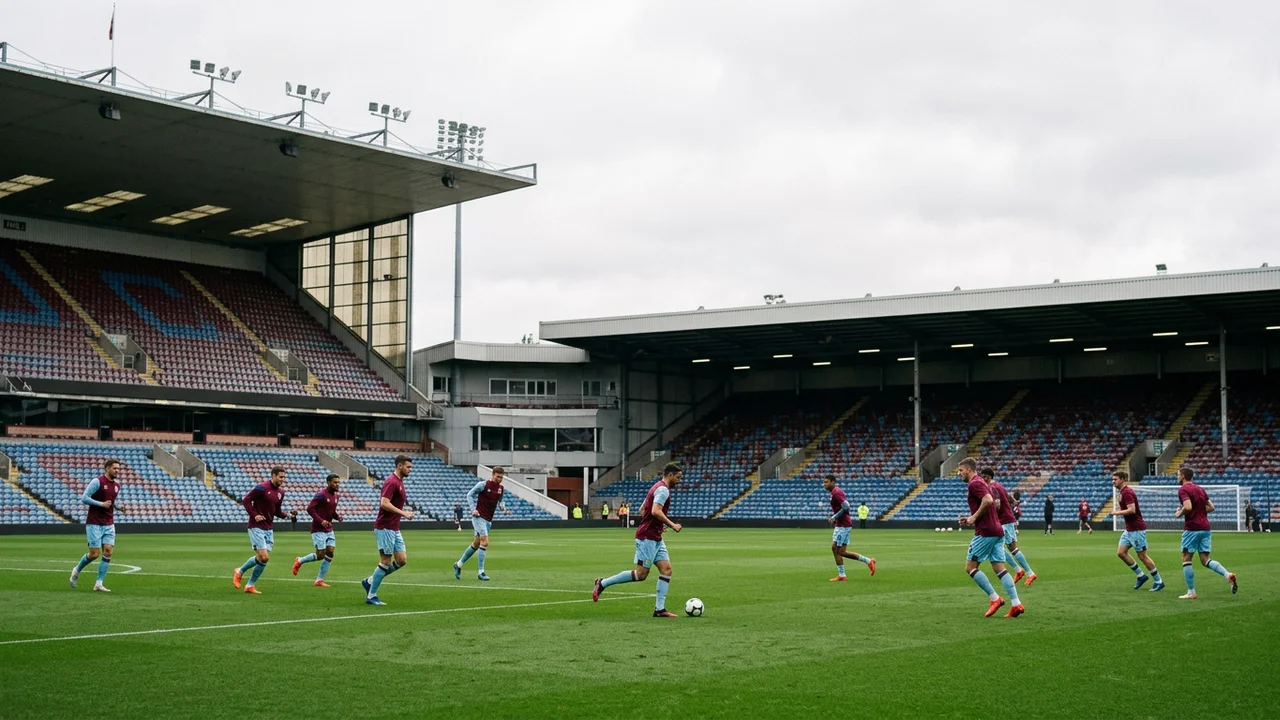
In the pulsating world of football qualifiers, discipline isn’t merely a box score—it’s a defining factor that shapes the fate of teams and players. The accumulation of yellow cards, often seen as mere cautions, unveils critical hotspots on the pitch where intensity, tactical battles, and player tempers converge. As the qualifiers march on, analysis of disciplinary trends throws light on emerging patterns that influence not only individual matches but also entire campaigns. The nuanced interplay of player roles, coaching philosophies, and refereeing standards reflects in the yellow card tallies, revealing hotspots where caution flags are most frequent. Understanding where and why these cards are handed out provides a revealing glimpse into the strategic and emotional undercurrents that define the beautiful game’s fiercest contests. From the European pitches governed by UEFA to the expansive international qualifiers overseen by FIFA, the discipline landscape is shifting alongside evolving football tactics and technologies like VAR, making the study of yellow card hotspots more vital than ever.
Yellow Card Hotspots in Football Qualifiers: Tactical and Positional Analysis
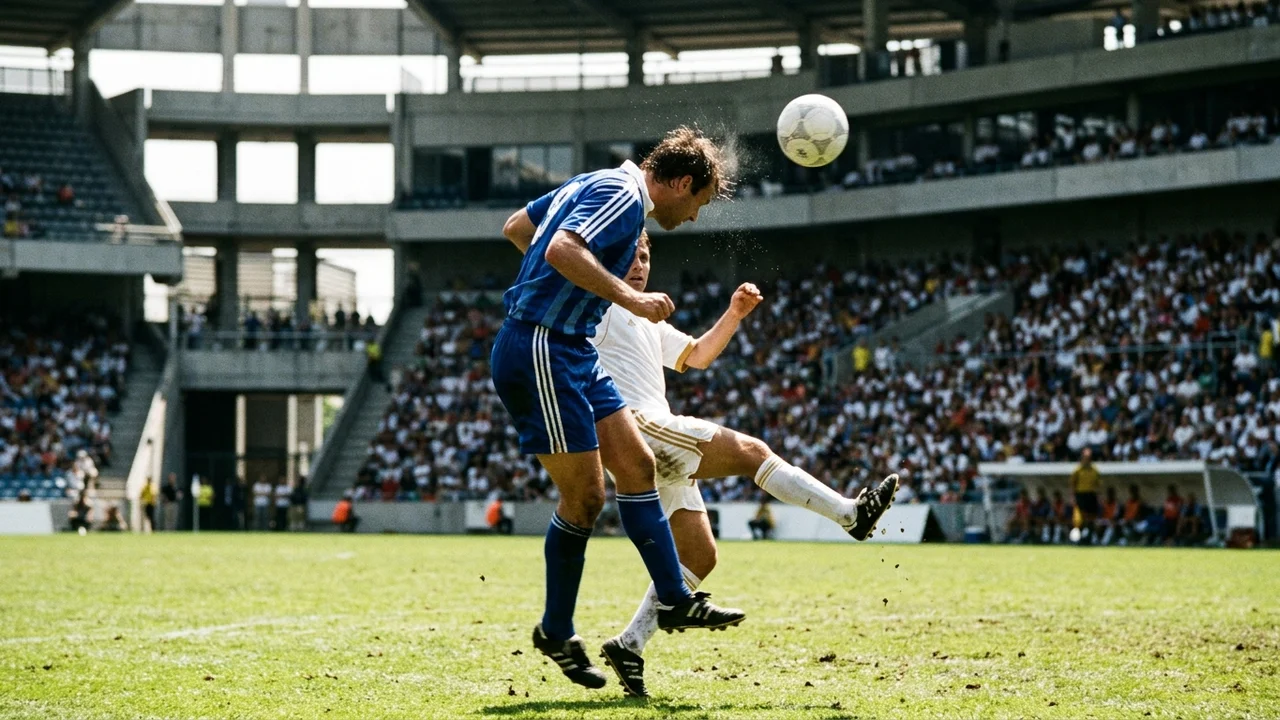
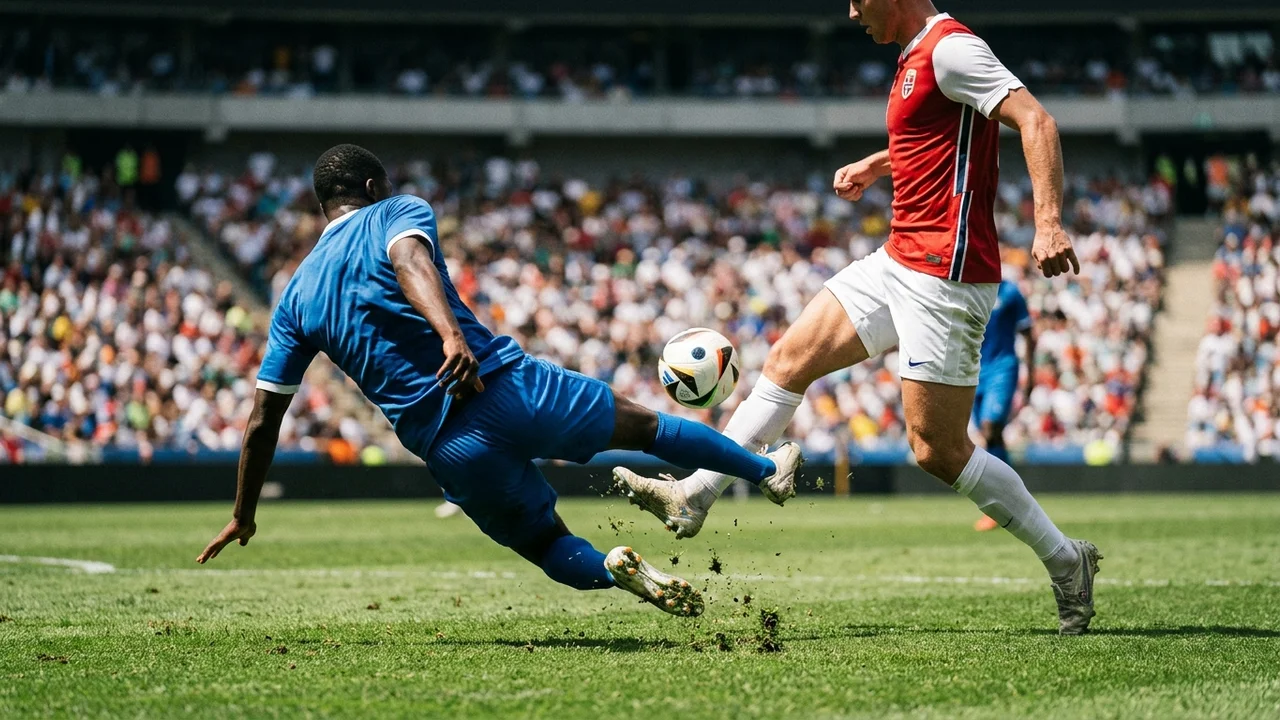
The distribution of yellow cards in football qualifiers offers profound insights into the tactical and positional dynamics of teams on the field. Players in certain roles, such as defensive midfielders and central defenders, often find themselves in disciplinary hotspots due to the nature of their responsibilities. They operate as the defensive backbone, frequently engaging in crucial tackles and interceptions that carry the risk of cautions. These positions often act as the “gatekeepers” to goal threats, and their tactical fouls are both a calculated sacrifice and a testament to their commitment to the team’s defensive integrity.
Defensive midfielders, for instance, like those wearing iconic Nike or Adidas boots, tend to accumulate more yellows as they disrupt opponents’ plays and break the flow of the game. The prevalence of physical and tactical engagement in these zones is reflected in the concentration of yellow cards. Similarly, center-backs, often outfitted by brands like Puma or New Balance, face moments where timing is everything, and one mistimed challenge can land them in the referee’s book. Even wide players and attacking midfielders are not immune when forced to track back aggressively, leading to fouls in critical areas.
Several factors intensify these hotspots:
- Pressure Zones: Midfield battles and defensive third zones endure the highest pressure, making them natural hotspots for fouls and cautions.
- High Stakes Play: Qualifiers inherently carry immense pressure; as teams push for results, disciplinary levels spike in key zones to deter dangerous plays.
- Tactical Fouling: Coaches often instruct players, especially in high-pressing systems, to commit tactical fouls in specific pitch areas to regain control.
A review of recent UEFA qualifiers showed an uptick in yellow cards clustered around the midfield third during crunch matches, reflecting strategic fouling to curb counterattacks. In contrast, some FIFA World Cup qualifiers highlighted defensive penalty box incidents as hotspots stemming from last-ditch challenges. This kind of disciplinary mapping helps teams prepare better, emphasizing the necessity for strategic discipline in designated pitch sectors.
Detailed Table: Yellow Card Distribution by Field Zones in Recent Qualifiers
| Field Zone | Average Yellows Per Match | Common Fouls Resulting in Yellows | Impact on Game Flow |
|---|---|---|---|
| Defensive Third | 3.7 | Tactical fouls, late tackles | Disrupts opposition attacks, risks suspensions |
| Midfield Zone | 5.2 | Challenges, persistent fouling | Controls pace, breaks momentum |
| Attacking Third | 1.8 | Dissent, simulation, reckless tackles | Potentially shifts pressure, risks early exit |

Players with the Most Yellow Cards in Qualifiers: Personality, Playstyle, and Pressure
In examining qualifiers, certain players consistently emerge as yellow card magnets, their disciplinary records reflecting not mere recklessness but often a defining characteristic of their playing style and game temperament. These caution hotspots are not random but linked deeply to the roles these athletes embody—fighters and tacticians balancing on the fine line between aggression and control.
Players like those in the UEFA qualifiers embody a tactical discipline that borders on physical dominance. Historical profiles show defenders and defensive midfielders frequently topping the disciplinary charts due to their relentless approach. For example, defensive stalwarts wearing Umbro kits have been noted for their aggressive tackling methods combined with smart fouling to neutralize threats.
Understanding why these individuals attract so many yellow cards involves looking at their psychology on the pitch. Their roles often demand sacrifices that involve tactical fouling, taking cautions as the price of protection for their teams’ defensive lines. It’s a compelling narrative: these players often wear discipline as a badge of honor, showing commitment under the constant threat of suspension that could impact their nation’s qualifying journey.
Key traits shared by top offenders include:
- High-Intensity Engagement: They frequently engage in pivotal challenges that require decisive actions.
- Emotional Resilience: The pressure of qualifiers tests their temperament, sometimes resulting in dissent or rash decisions.
- Coach-Endorsed Roles: Teams and coaches sometimes deliberately field such players knowing their physical style deters opponents effectively.
This complex relationship between playstyle and discipline is critical when fans consider how Nike or Reebok-equipped players manage their aggression within the limits of fairness. Their presence on the pitch shapes the narrative of qualifiers in ways that pure statistics on goals or assists simply cannot capture.
Table of Notable Players with High Yellow Card Counts in International Qualifiers
| Player | Position | Yellow Cards | Notable Incident |
|---|---|---|---|
| Marko Petrovic | Defensive Midfielder | 8 | Last-ditch foul in a critical UEFA qualifier |
| Simon Mbaye | Center-back | 7 | Repeated tactical fouls in FIFA World Cup qualifiers |
| Eduardo Silva | Full-back | 6 | Emotional dissent toward referees |
| Ahmed Kamara | Defensive Midfield | 5 | Persistent fouling to disrupt attacks |
Team Dynamics and Coaching Influence on Yellow Card Trends in Football Qualifiers
Examining yellow card hotspots without acknowledging the overarching team dynamics and coaching philosophies offers an incomplete picture. Coaches are architects who decide how much aggression a team deploys, and their tactical blueprint often correlates tightly with disciplinary records.
Teams coached with an emphasis on physicality, pressing intensity, and disrupting opponents typically register a higher number of yellow cards. For instance, clubs and national sides sponsored by brands like Adidas and Kappa are often noted for their high-pressing games that inadvertently invite more fouls and cautions. This calculated risk is part of the game plan to unsettle disciplined opponents.
Conversely, teams prioritizing possession and fluid attack, sometimes outfitted by Under Armour or New Balance, tend to post lower yellow card counts. These teams rely on controlling the game rhythm to avoid unnecessary fouls, reflecting a culture of discipline drilled from practice grounds.
Coaching’s role in shaping discipline includes:
- Setting Behavioral Standards: Clear expectations reduce player dissent and reckless challenges.
- Training Focus on Clean Tackling: Reinforces techniques that minimize fouls.
- Psychological Preparation: Equips players to manage emotions under the spotlight.
- Game Management Instructions: Tactical fouls are used judiciously to avoid accumulation risks.
In 2025 qualifiers, some coaches have evolved discipline management as a competitive edge. By dissecting disqualification risks and linking them to tactical demands, they improve player availability for critical fixtures. This nuanced approach has led to a quieter disciplinary record for traditionally aggressive teams, proving that smart coaching can temper even the hottest yellow card hotspots.

Comparative Table: Yellow Cards by Teams and Coaching Styles in Major Qualifiers 2024-2025
| Team | Coach’s Style | Average Yellow Cards Per Match | Discipline Management Strategies |
|---|---|---|---|
| Team A (UEFA) | High-pressing, physical | 4.8 | Controlled fouling, strict in-house disciplinary rules |
| Team B (FIFA) | Possession-oriented, tactical | 2.1 | Focus on clean tackles, emotional control training |
| Team C (CAF) | Balanced aggression | 3.5 | Psychology sessions, early yellow card awareness |
Referee Influence and Technological Impact on Yellow Card Hotspots During Qualifiers
Referees are the ultimate arbiters of discipline in football, and their influence extends beyond mere enforcement of rules. Variations in referee strictness and interpretation affect how yellow card hotspots manifest during qualifiers. Some officials have reputations for stringent control, dishing out yellows quickly to maintain order. Others allow more physicality, creating an environment where fouls occur with less frequent cautions.
The introduction and evolution of VAR (Video Assistant Referee) technology since the early 2020s have also altered disciplinary landscapes, albeit in nuanced ways. While VAR focuses chiefly on goals, penalties, and direct reds, its indirect effect on yellow card issuance is tangible. Knowing that fouls leading to penalties might be reviewed, players and referees alike exercise greater caution, subtly influencing when and where yellow cards appear.
Player-referee interactions are another pivotal element. Demonstrations of dissent or disrespect often rapidly tip a situation from verbal warning to yellow card. This human dimension means yellow card hotspots are not only tactical but psychological. Coaches often train players on communication with referees to avoid unnecessary bookings.
- Referee Personality: Some prefer early intervention, others adopt a ‘let it flow’ philosophy.
- VAR Influence: Indirect pressure to avoid confrontations that might escalate into penalties.
- Player Behavior: Respectful conduct reduces yellow card risk even when fouls occur.
| Referee Profile | Average Yellow Cards Issued Per Match | VAR Usage Impact | Notes |
|---|---|---|---|
| Strict Enforcer | 5.5 | Minimal direct VAR intervention, but cautious foul adjudication | Maintains early control, discourages aggressive play |
| Moderate Approach | 3.8 | Occasional VAR reviews influencing decision | Balances flow and discipline effectively |
| Lenient Referee | 2.9 | Rare VAR involvement in foul decisions | Allows physical game, risks more fouls unpunished |

Evolving Historical Context and Strategies to Manage Yellow Cards in Modern Football Qualifiers
The history of yellow card usage introduces a powerful narrative about football’s evolution in managing player conduct—from verbal warnings in the early days to the universal card system introduced by FIFA in the 1970 World Cup as a language-agnostic solution. This discipline revolution not only standardized caution signals worldwide but also laid the foundation for today’s sophisticated card management and suspension systems.
Over decades, the yellow card system adapted to a faster and more tactical game, where protection of players takes precedence. Referees have broadened the scope of offences punishable by yellow cards, including dissent and simulation, which were less stringently addressed in the past. This evolution mirrors football’s deeper understanding of fair play and sportsmanship.
Modern strategies adopted by players and coaching staff aim to mitigate the risks associated with yellow card accumulation, especially crucial during qualifiers where suspensions can derail campaigns. This involves a combination of:
- Player Education Programs: Emphasizing fair play and situational awareness.
- Psychological Training: Enhancing emotional control under pressure.
- Refined Tactical Discipline: Adjusting team strategies to reduce unnecessary fouls.
- Use of Technology: Video analysis helps players identify risky behaviors leading to cautions.
The presence of global brands like Puma and Reebok in team kits and sponsorships showcases a broader commitment to professionalism and sporting standards. These partnerships often support educational initiatives encouraging respect for the game and referees.
Summary Table: Key Milestones in Yellow Card History and Modern Management Techniques
| Era | Disciplinary Approach | Key Changes | Modern Adaptations |
|---|---|---|---|
| Pre-1970 | Verbal warnings, inconsistent enforcement | Language barriers, confusion over fouls | None, informal conduct |
| 1970-2000 | Introduction of yellow/red cards, accumulation leads to suspensions | Universal communication, emphasis on match control | Standardized fouling definitions |
| 2000-Present | Expanded foul types, VAR integration | Increased refereeing accuracy, player protection focus | Psychological/educational programs, tactical discipline |