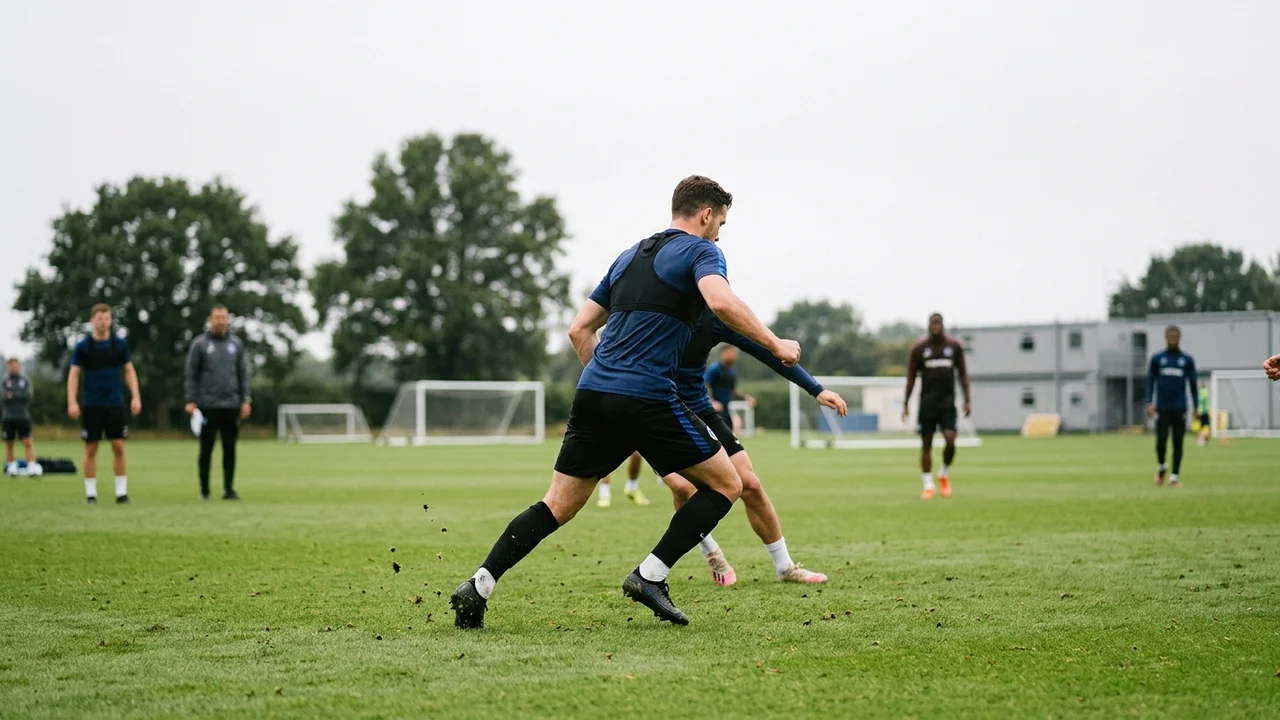
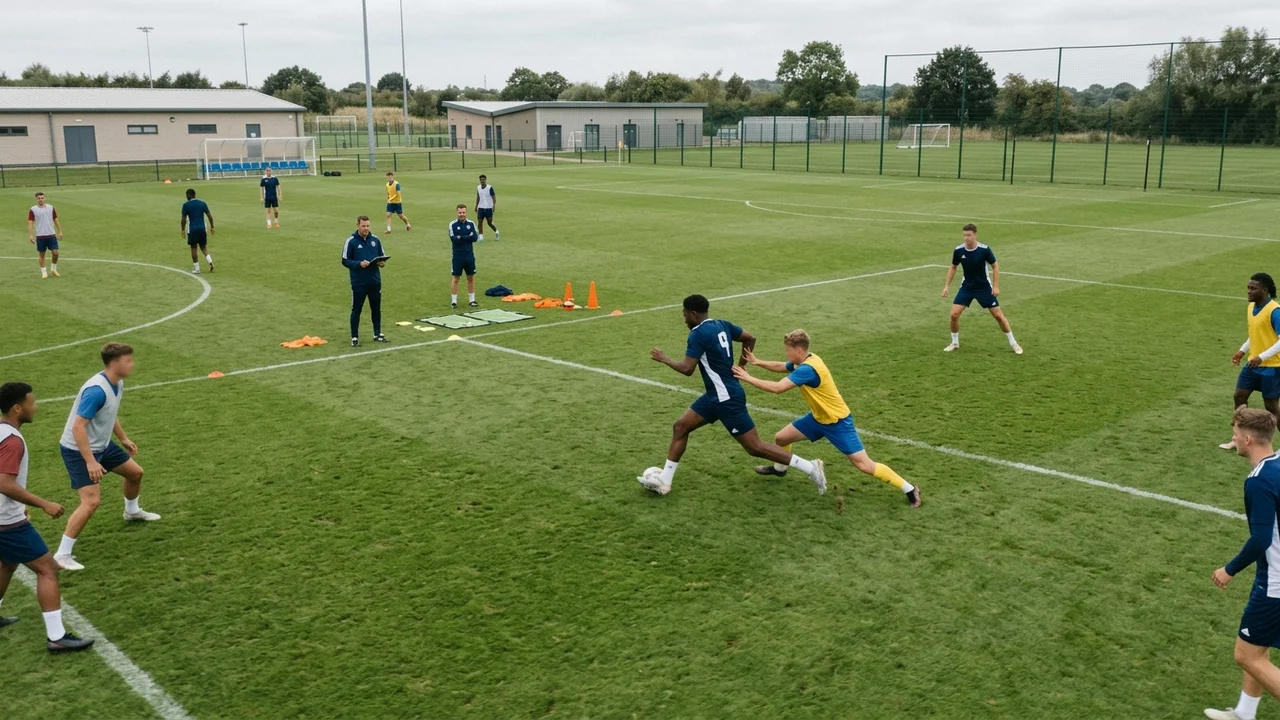
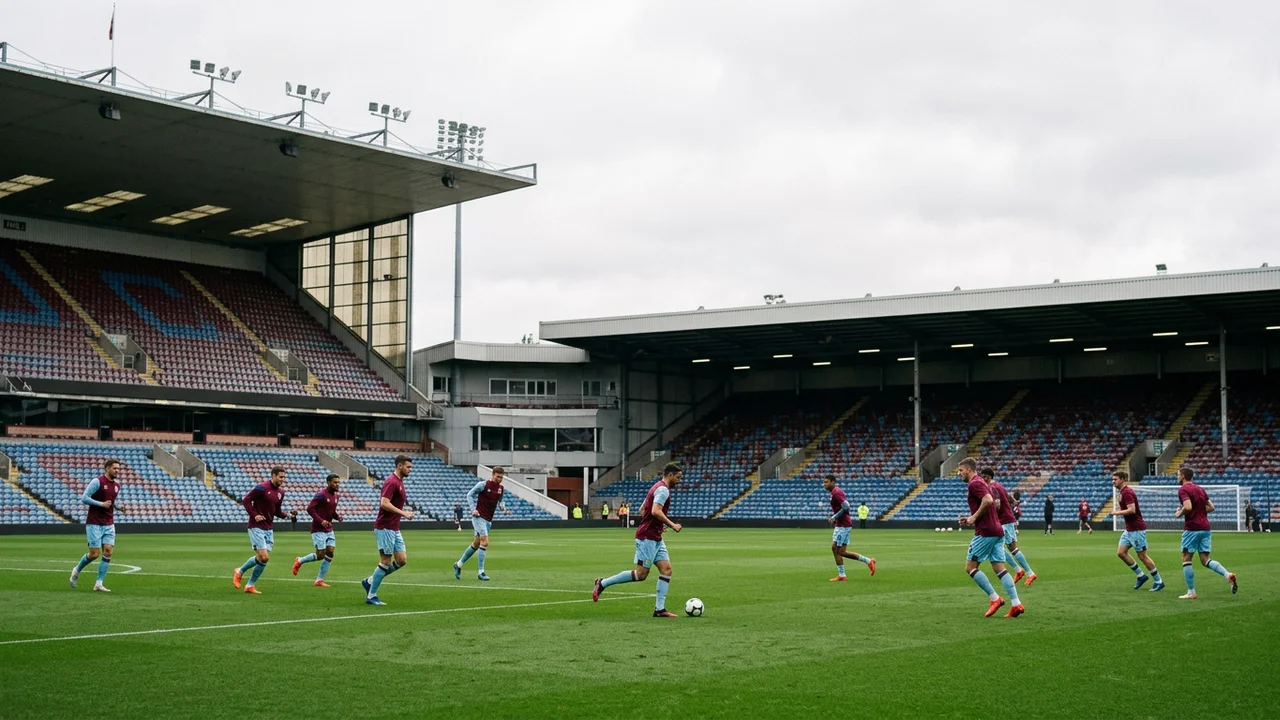
As the January transfer window approaches in 2026, the football world is abuzz with speculation surrounding a clutch of Africa’s most electrifying talents potentially on the move. October’s late developments are reshaping the contours of the winter market, with clubs across Europe and Africa recalibrating their strategies to secure decisive signings. The subtle shifts in odds and whispers of interest involving players from established powerhouses and rising stars alike illustrate the burgeoning influence African footballers wield over key transfer decisions. From established forwards looking for new challenges in the Premier League and Bundesliga to youthful midfielders chasing breakthrough opportunities in Ligue 1, every move carries a narrative not just of individual ambition but also of the broader evolution of African football’s integration into the global spotlight.
This period acts as a pivotal moment in African football’s calendar, framing the momentum going into the Africa Cup of Nations 2025 and the subsequent impact on national team prospects. Homegrown clubs and local leagues, while tasked with maintaining competitiveness amid talent outflows, also benefit from the injection of transfer revenues and the growing reputation of African talent pipelines. The story unfolding now isn’t just about players switching clubs but about the shifting landscape of power, potential, and opportunity within African football’s present and its promising horizon.
In Brief
- Top African stars involved in high-profile transfer rumors are reshaping club strategies across Europe and Africa.
- Major moves such as Bryan Mbeumo to Manchester United and Victor Osimhen to Galatasaray are expected to alter team tactics and national team dynamics.
- Emerging talents are increasingly attracting interest from elite European clubs, signifying a shift towards long-term investment in African youth.
- Transfers directly influence African national team prospects ahead of AFCON 2025 by enhancing players’ competitive rigor and tactical acumen.
- African domestic clubs like Al Ahly continue to play a crucial role, balancing talent exportation with financial growth and league competitiveness.

Major Transfers of African Players in European Powerhouses and Their Tactical Impacts
The 2025 transfer window has witnessed a flurry of moves involving African stars that extend far beyond mere player trading. Clubs like Chelsea, Manchester United, Paris Saint-Germain, and Bayern Munich have decisively invested in African talent, recognizing the game-changing attributes these players bring. This wave of transfers is not only about filling roster spots; it’s about crafting dynamic, versatile squads capable of competing at the highest levels in both domestic leagues and continental tournaments.
Highlighting Bryan Mbeumo’s sensational move from Brentford to Manchester United as a prime example, this strategic acquisition delivers pace, ingenuity, and attacking flexibility to a Red Devils front line looking to reclaim Premier League dominance. The 24-year-old winger’s ability to operate both as a traditional winger and as an attacking midfielder adds a nuanced tactical dimension that Erik ten Hag will surely exploit.
Similarly, Victor Osimhen’s transition from Napoli to Galatasaray resonates deeply within Turkish football circles. Osimhen’s clinical finishing and physical presence mark him as a transformative figure who could spearhead Galatasaray’s resurgence domestically and in European competitions. Beyond his individual threat in front of goal, Osimhen’s movement off the ball and resilience highlight his fit for intense tactical systems centered on swift counterattacks.
Meanwhile, Paris Saint-Germain’s capture of Mohamed Salah from Liverpool signals a monumental shift in their offensive ambitions. Salah’s Champions League pedigree and experience in high-pressure environments underscore PSG’s pursuit of UEFA continental glory. This acquisition adds a blend of lethal finishing and creativity, compelling PSG to reimagine their attacking set-up.
These transfers outline an evolving narrative: African players are no longer peripheral talents but rather pivotal architects underlying team successes and strategies. Their impact transcends goals and assists, influencing pressing tactics, midfield connectivity, defensive transitions, and even leadership within the squad.
Key Transfers and Projected Roles in Europe
| Player | Previous Club | New Club | Expected Role |
|---|---|---|---|
| Bryan Mbeumo | Brentford | Manchester United | Winger/Attacking Midfielder |
| Victor Osimhen | Napoli | Galatasaray | Striker |
| Mohamed Salah | Liverpool | Paris Saint-Germain | Forward |
| Rayan Ait-Nouri | Wolves | Marseille (loan) | Left-back |
Experts from African Football HQ’s October Transfers Watch emphasize how these moves underpin the increasing strategic importance African players bring to the table, not only in creating scoring opportunities but also in disrupting opponent structures and enhancing counter-pressing efforts.

How Transfers Influence African National Teams and Preparations for AFCON 2025
The ripple effects of these significant transfers extend well beyond club football, deeply influencing the fortunes of African national teams on the brink of the Africa Cup of Nations 2025. Players’ experiences in competitive European environments materially affect their physical conditioning, mental toughness, and tactical sophistication — all crucial elements during the grueling continental tournament.
Mohamed Salah’s high-profile move to PSG, a frequent contender in the UEFA Champions League, stands as a benchmark example of how such a step up can propel a player’s form and international leadership. Egypt’s hopes for a commanding AFCON performance are intimately tied to Salah’s fitness and confidence, nurtured by the rigorous tactical demands and high-stakes pressure faced at PSG.
The Nigerian national team also watches closely as Victor Osimhen adapts to his role in Galatasaray. His ability to seamlessly integrate into new tactical frameworks while maintaining his goal-scoring prowess will have direct implications on Nigeria’s offensive potency during AFCON. Meanwhile, Senegal relies on the likes of Edouard Mendy at Chelsea to solidify defensive foundations, highlighting the varying ways these transfers shape national team profiles.
- Increased exposure to varied coaching styles enhances players’ adaptability in international fixtures.
- Competing in top European leagues boosts physical endurance, an asset in demanding AFCON matches.
- Player confidence swells from high-profile transfers, often translating into leadership roles in national teams.
- Adaptation challenges necessitate close collaboration between club and national team coaches to manage player workload and integration.
Impact Assessment: Key African Players on the Cusp of AFCON 2025
| Player | National Team | New Club | AFCON Impact Potential |
|---|---|---|---|
| Mohamed Salah | Egypt | Paris Saint-Germain | High – Key attacker and leader |
| Victor Osimhen | Nigeria | Galatasaray | High – Goal-scoring catalyst |
| Edouard Mendy | Senegal | Chelsea | Moderate – Defensive backbone |
The arrival of these key players at renowned European clubs highlights the symbiotic relationship between club success and African football ambitions, an intersection explored in depth by African Football HQ’s weekly news updates. These stories reveal how club form is an essential predictor of AFCON readiness and hint at the elevated level of preparation teams now demand from their star athletes.
Rising African Talents on the Move: The New Wave Reshaping Football’s Future
While the spotlight often shines brightest on Africa’s seasoned stars, this transfer window accentuates the emergence of young, dynamic talents stepping into the global arena. Clubs like AS Monaco and Bayern Munich have shifted focus, snapping up promising prospects from African leagues in a bid to nurture raw potential through exposure to Europe’s elite competitions.
This strategic emphasis on youth development signals a long-term investment approach that benefits both the clubs and African football at large. Youngsters transitioning from domestic leagues to European powerhouses are rapidly developing essential technical skills and psychological resilience, providing a robust foundation for future international stardom.
- Early integration into competitive leagues accelerates player growth and adaptability.
- Youth talents inspire both grassroots academies and aspiring footballers across Africa.
- European clubs’ commitment to African prospects signals an expanding talent pipeline beyond traditional scouting locations.
- Young transfers increase the global spotlight on African domestic leagues and their capacity to nurture top talents.
Promising Young African Stars and Their Recent Transfers
| Player | Previous League | New Club | Projected Role |
|---|---|---|---|
| Young Midfielder | Senegal Premier League | AS Monaco | Central Midfielder/Playmaker |
| Promising Winger | Moroccan Botola | Bayern Munich | Wide Attacker |
As noted by reports on African Football HQ’s recognition of Hakimi as CAF Player of the Month, the rising generation is steadily redefining African football’s international reputation and competitiveness. Watching these young players develop offers hope and concrete evidence of sustainable football excellence emerging from the continent.
The Impact of Transfers on African Domestic Leagues and Local Clubs’ Growth Trajectories
Transfers involving African stars invariably attract headlines in Europe, but the implications at the domestic level are equally significant. Local clubs such as Al Ahly serve as talent incubators and are pivotal in shaping player careers and African football’s international supply chain. These clubs balance the financial gains from transfers with the challenge of maintaining domestic league dynamism amid talent migration.
The success of African clubs in leveraging transfer fees to reinvest in infrastructure and youth development cannot be overstated. For example, Al Ahly’s strategic player sales to European leagues improve their financial resilience while also enhancing scouting networks and fostering closer ties with foreign clubs. This dynamic elevates African football’s global standing and enriches local competitions.
- Transfer revenues enable local clubs to invest in stadiums, coaching, and player welfare.
- Player sales may temporarily weaken league competitiveness but propel long-term growth and visibility.
- Returned players bring invaluable experience that uplifts local team performances and standards.
- Growing interest from European clubs positions African leagues as authentic talent hubs, attracting international attention.
Notable African Clubs’ Player Transfers and Outcomes
| Club | Player Sold | Destination Club | Transfer Outcome |
|---|---|---|---|
| Al Ahly | Midfielder | Marseille | Financial boost and increased scouting interest |
| TP Mazembe | Defender | Ligue 2 European club | Enhanced club profile internationally |
For those passionate about the intricate dynamics of African club football and how ownership shapes transfer trends, African Football HQ’s ownership insights provide a comprehensive view, revealing the delicate balance African clubs maintain between nurturing talent and engaging global markets.
Trends and Expectations: What These Transfers Reveal About African Football’s Global Rise
The ongoing transformation of the African transfer market serves as a clear indicator that African players have become central figures in global football discourse. Transfers to top-tier clubs like Chelsea and Bayern Munich exemplify the continent’s undeniable contribution of flair, resilience, and tactical versatility. This continued ascendance molds expectations and aspirations not only for individual careers but also for the collective identity of African football worldwide.
Key trends emerging from recent transfer activities include:
- Recognition: The global demand for African players validates their advanced quality and growing market value.
- Competitive Edge: Exposure to diverse European leagues significantly enhances players’ skill sets and football intelligence.
- Legacy: Successful African stars inspire future generations, spurring investment in youth academies and grassroots programs.
- Economic Growth: Transfer fees fuel development of football infrastructure and contribute to African economies.
- Adaptation Challenges: Players must navigate cultural and tactical adjustments in new environments, necessitating robust support systems.
Comprehensive Overview of Transfer Implications
| Aspect | Implications | Illustrative Examples |
|---|---|---|
| Recognition | Increased global demand and respect for African talent | Transfers to Chelsea and PSG |
| Competitive Edge | Development of tactical versatility and resilience | Players thriving in Bundesliga, Ligue 1, EPL |
| Legacy | Youth inspiration and academy investment stimulation | Rising stars joining Monaco, Bayern |
| Economic Growth | Transfer income supporting club infrastructures | Al Ahly reinvesting profits |
| Adaptation | Need for cultural and tactical support networks | Mixed success stories of players at new clubs |
Analysts at African Football HQ stress that these transfers are more than individual career milestones — they signify a pivotal chapter in Africa’s ongoing journey towards football prominence on the global stage. For fans, players, and officials alike, these moves carry the weight of history while lighting the path to a vigorous and respected future.