The kickoff of AFCON 2025 on December 22 signals not just the start of a premier football tournament but a continent-wide celebration brimmed with anticipation and electric energy. Set in Morocco, the long-awaited spectacle reunites 24 national teams across Africa, each carrying the weight of history, pride, and fervent hopes of glory. The atmosphere in the stadiums, especially at Rabat’s Complexe Sportif Prince Moulay Abdellah, is buzzing with passion as fans gather to witness the drama, skill, and fierce competition making AFCON a cornerstone of African football. Defensive walls, tactical battles, and moments of individual brilliance are all set to unfold as teams face off in what could become defining encounters for African football’s evolving narrative.
From the tournament layout to team lineups, match predictions, and headline-making moments, every element pulses with significance. Morocco, as hosts and one of the continent’s top-ranked sides following their 2022 FIFA World Cup semi-final run, begin their campaign amid sky-high expectations and pressure to turn investments into silverware. Meanwhile, defending champions Côte d’Ivoire enter as formidable contenders, against a backdrop where seasoned giants like Egypt pursue an eighth title to etch even deeper their legacy. The opening matches on December 22 are more than just the start date; they represent a microcosm of African football’s drama, diversity, and ambition.
For football fans, this tournament kickoff promises a mix of tactical intrigue and cultural display. The battles on the pitch are intensified by off-pitch stories — player release wrangles, shifting tournament calendars, and the historic shift to a four-year cycle from 2028 onwards. These talking points add layers to the excitement, making every kickoff not just about goals but about what they represent in a wider African football context. As the continent’s eyes fix on Morocco, the tournament’s opening day will set tones that reverberate through the groups and beyond, shaping narratives and spotlighting heroes yet to emerge.
Below, the biggest talking points from the opening AFCON matches on December 22 unfold, revealing the critical moments, emerging storylines, and the fierce competition etched into Africa’s most beloved football showcase.
- Morocco’s Nervy Start and Home Advantage
- Legacy and Challenges for Defending Champions Côte d’Ivoire
- Key Tactical Battles and Emerging Stars
- Shift to a Four-Year Tournament Cycle and Its Impact
- Infrastructure and Atmosphere Setting New Standards
Morocco’s Opening Match: Victory Amid Pressure and Rising Expectations
Morocco’s journey into AFCON 2025 started under challenging weather conditions in a rain-soaked Rabat with a cautious 2-0 win against Comoros. This victory marked a significant moment for the hosts, revealing not just their competitive edge but also the palpable pressure resting on their shoulders. With a crowd of over 60,000 at Prince Moulay Abdellah Stadium, the Atlas Lions’ gameplay reflected a mixture of determination and nerves, characteristic of teams handling tournament host expectations.
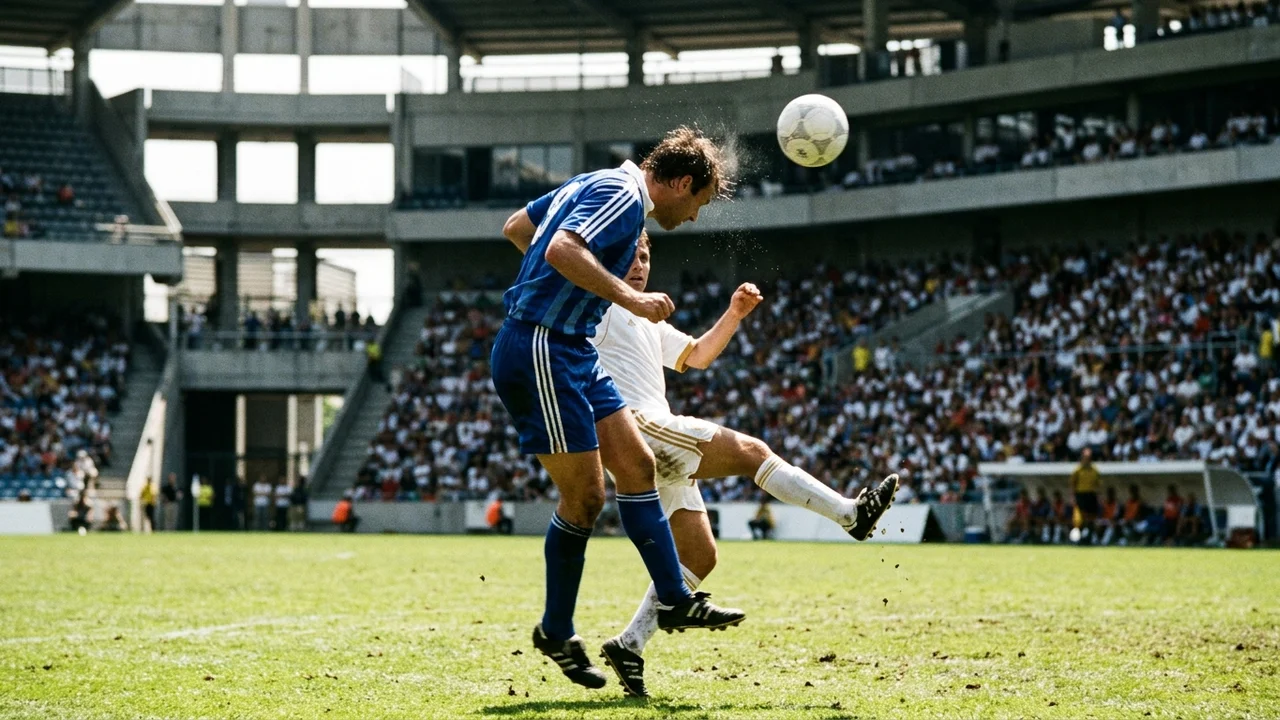
The match featured a gripping penalty save, as Comoros goalkeeper Yannick Pandor denied Soufiane Rahimi’s early spot-kick, injecting a dose of tension and illustrating the unpredictability inherent in tournament openers. Morocco’s breakthrough came just after the hour mark when Brahim Diaz received a perfectly weighted pass from Noussair Mazraoui to open the scoring, igniting the home crowd into passionate celebration. The match climaxed with Ayoub El Kaabi’s spectacular overhead kick, a goal that will be remembered as one of the iconic moments of AFCON 2025’s opening day.
This opener was more than just a game; it showcased Morocco’s resilience and tactical discipline under coach Walid Regragui, who faces immense expectations to secure the nation’s first AFCON title since 1976. The narrative was clear — Morocco aims to leverage both their home advantage and recent improvements in infrastructure, encapsulated in Morocco’s nine modern venues, to stamp their authority on the tournament. This match set the stage for tougher challenges ahead, signaling Morocco’s readiness to balance youthful energy with experienced leadership.
The opening win also sparked wider conversation about Morocco’s investment in football, both on and off the pitch. The razzmatazz of the stadium filled with fervent fans, alongside upgraded facilities drawn from King Mohammed VI’s backing, positions Morocco as a rising football superpower in Africa. But the early win came amid concerns — the missed penalty could have shifted momentum, and there were moments where Comoros’ defensive resilience threatened to upset the home side’s rhythm. This balance of excitement and caution captured in the opening match results resonates across all teams preparing for their own tournament journeys.

Defending Champions Côte d’Ivoire: Can They Repeat Glory on the Biggest Stage?
Côte d’Ivoire, the reigning AFCON champions, embody a potent mix of talent, experience, and pressure in this edition of the tournament. Their invitation to defend the crown places them under a microscope, with football pundits and fans alike analyzing their squad eagerly as they navigate their group fixtures. Past success provides heightened expectations — every move, every line-up change, and every tactical tweak draws intense focus.
The Elephants’ squad exemplifies a blend of seasoned stalwarts and emerging talents, reflecting African football’s evolving landscape. Their approach to the opening match and subsequent games will reveal whether they can adapt to the fast-paced, physically demanding tournament style rightly associated with AFCON. Team lineups have been scrutinized to identify the balance between attacking flair and defensive solidity, especially as rival teams sharpen their strategies knowing Côte d’Ivoire’s status as titleholders.
Historically, defending AFCON titles has been a challenge few teams accomplish due to the unpredictable nature of the competition. Yet, Côte d’Ivoire’s squad depth and tactical flexibility position them as prominent contenders. Match predictions for their opening day and beyond highlight key players expected to influence results, from midfield maestros orchestrating play to forwards poised to capitalize on scant chances. This blend of individual skill and collective strategy underscores why African football continues to thrill fans worldwide.
Considering Africa’s football culture and tournament history, Côte d’Ivoire’s journey in 2025 adds a chapter to the resilience and ambition inherent to the continent’s football aristocracy. Though obstacles abound, their progress could inspire a new generation of African players and fans, seeking to emulate the glory achieved by legends like Didier Drogba and Yaya Touré.
Key Tactical Battles and Emerging Stars Shaping the Tournament Kickoff
The opening matches of AFCON 2025 on December 22 showcase not only the final scores but also a rich tapestry of tactical battles critical to each team’s progress. Football fans across the continent watch keenly as coaches deploy formations and strategies tailored to exploit opponent weaknesses while solidifying their defenses. Teams face the daunting task of finding a rhythm quickly — the group stage’s compressed schedule leaves little room for error.
Tactical nuances come to the fore in set-piece strategy, transitional play, and pressing patterns. Some teams, inspired by European football trends, adopt high pressing and rapid counter-attacks, while others rely on traditional African strengths such as physicality and technical flair. This clash of styles delivers intense matches filled with moments of tactical ingenuity — a showcase of African football’s tactical maturation.
Alongside strategic battles, AFCON 2025’s opening day reveals emerging stars eager to stake their claim on the big stage. The tournament provides a platform where players like Brahim Diaz, Ayoub El Kaabi, and Noussair Mazraoui can catapult their careers to new heights. Football fans, scouts, and journalists eagerly follow these talents, weaving their stories into the broader narrative of African football’s bright future.
Moreover, the lineups announced for opening matches often combine seasoned veterans with youthful adventurers, creating dynamic team compositions that keep opponents guessing. The balance between experience and fresh energy often dictates which teams manage to convert early group momentum into knockout-stage qualification. Coaches’ ability to integrate newcomers effectively is a pressing storyline that adds depth to tournament coverage.
Impact of the Shift to a Four-Year AFCON Cycle Starting 2028: What It Means for African Football
One of the most significant talking points reverberating across the continent surrounds the announcement that AFCON, traditionally held biennially, will transition to a four-year cycle starting from 2028. This shift places the current tournament in a crucial position, serving as a gateway to a new era in African football’s calendar and competitive rhythm.
The decision stems from efforts to align AFCON more closely with international football calendars, aiming to reduce conflicts with European club seasons, improve player availability, and enhance the tournament’s global visibility. For national teams, this change presents both challenges and opportunities. Coaches must view AFCON 2025 as a pivotal moment, packing maximum development and competitive testing into what will be the last biennial format iteration for the foreseeable future.
Fans and football stakeholders across Africa weigh how this change affects the rhythm of talent cycles, player development, and the continent’s footprint on the world stage. While fewer tournaments could mean higher stakes per edition, questions arise about maintaining fan engagement and providing consistent competitive exposure for emerging players. The evolving tournament schedule also influences football federations’ strategic planning around youth academies, league calendars, and international cooperation.
In addition, with Morocco gearing up to co-host the 2030 FIFA World Cup, the synchronization of AFCON and World Cup cycles becomes more strategically important. Aligning cycles could enable African teams to maximize preparation time and squad continuity. As the tournament unfolds, the current AFCON serves not only as a football battleground but as a marker of transition in African football’s broader trajectory.
Stadium Upgrades and Fan Atmosphere: Setting New Standards for AFCON Hosting
Beyond the drama inside the pitch, AFCON 2025 highlights Morocco’s significant investment in sports infrastructure and fan experience. Hosting the continent’s premier football event for the first time in 37 years, Morocco leverages nine modern stadiums across multiple cities, setting new standards for facilities, security, and crowd management. This investment reflects the country’s broader ambitions to become a football superpower and affirm its role as a pivotal hub for African football.
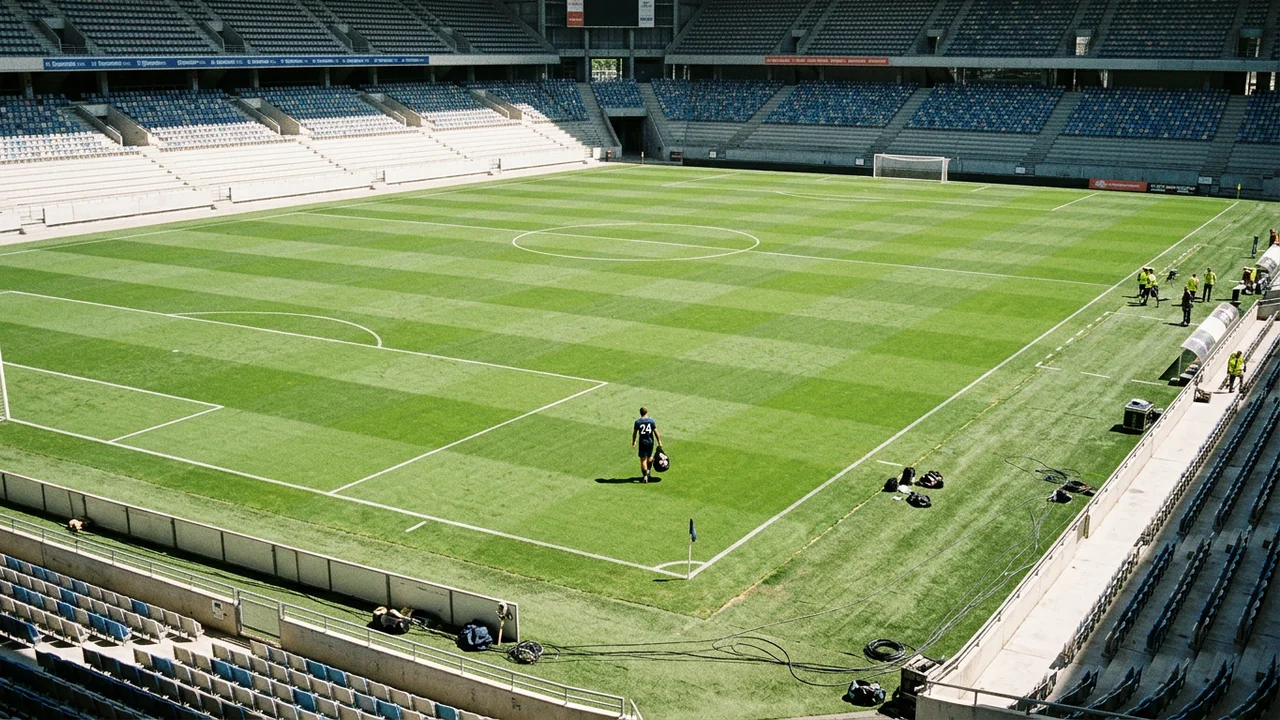
The Prince Moulay Abdellah Stadium in Rabat, which hosts both the opening and final matches, embodies this ambition with a capacity exceeding 60,000 seats. Its contemporary design and facilities create an electric atmosphere that energizes players and fans alike. These stadiums offer more than just viewing points; they provide spaces where cultural pride and football passion intertwine, reinforcing football’s role as a unifying force across the continent.
Fan engagement for AFCON 2025 has reached unprecedented levels, supported by smooth logistics and vibrant local celebrations. The timing during the festive season complements football fans’ enthusiasm, resulting in thunderous crowds and packed fixtures newspapers and broadcasters will document extensively. This combination of top-tier infrastructure and passionate attendance enhances every pass, tackle, and goal with a palpable sense of occasion.
| Stadium | City | Capacity | Key Matches Hosted |
|---|---|---|---|
| Prince Moulay Abdellah Stadium | Rabat | 60,180 | Opening Match, Final |
| Marrakech Stadium | Marrakech | 45,000 | Group Stage, Knockouts |
| Casablanca Stade Mohammed V | Casablanca | 67,000 | Group Stage, Quarter-finals |
| Agadir Stadium | Agadir | 40,000 | Group Stage Matches |
When did AFCON start using the 24-team format?
The 24-team format was introduced in AFCON 2019 to expand participation and increase competition across the continent.
Where is AFCON 2025 being hosted?
Morocco is the host country for AFCON 2025, utilizing nine modern stadiums in various cities including Rabat and Casablanca.
Who are the defending champions of AFCON 2025?
Côte d’Ivoire won the previous edition and entered AFCON 2025 as the team to beat.
What major change will occur in AFCON starting 2028?
From 2028 onwards, AFCON will be held every four years instead of every two years, aligning better with the global football calendar.
Which player scored the remarkable overhead kick for Morocco on December 22?
Ayoub El Kaabi scored the sensational overhead kick that sealed Morocco’s opening match victory against Comoros.