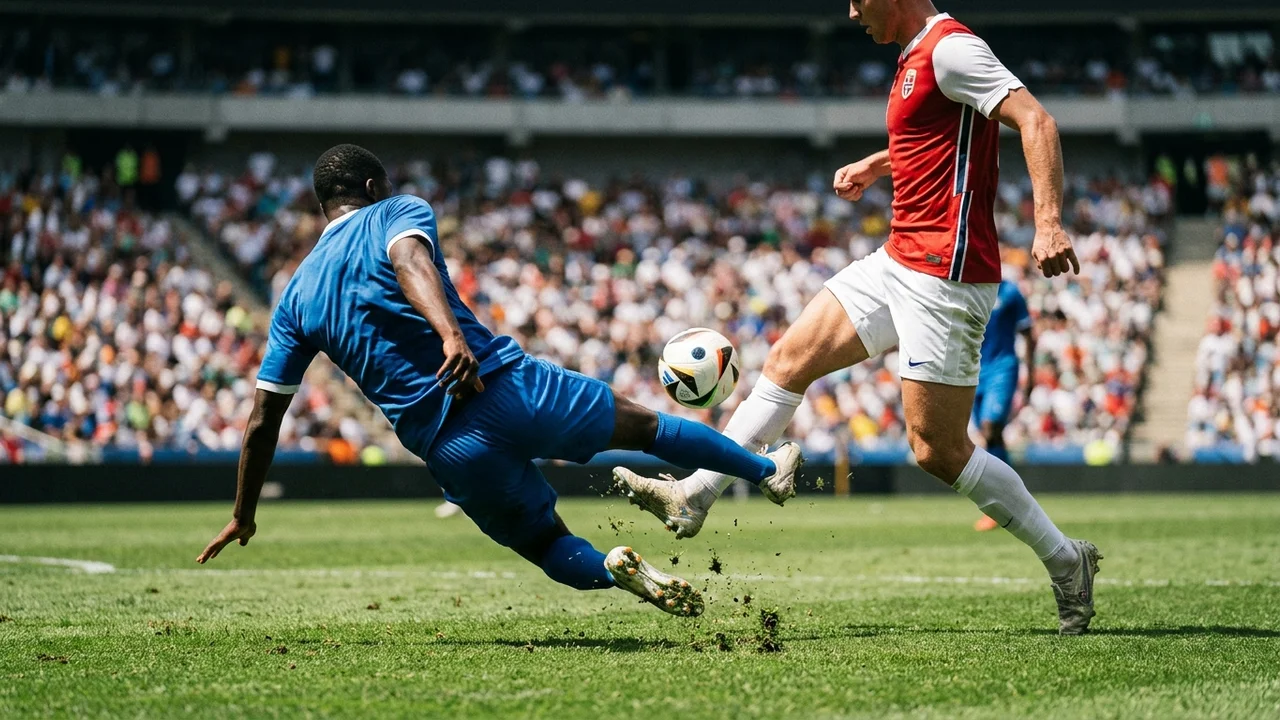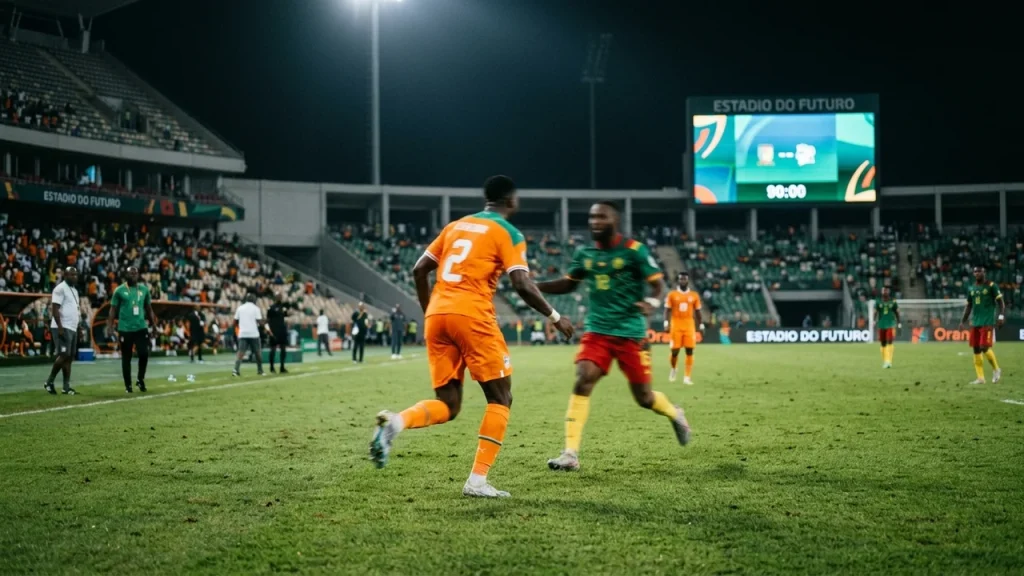
Côte d’Ivoire made footballing history in Philadelphia, advancing to the World Cup knockouts for the first time with a workmanlike 2-0 win over Curaçao. The Ivorians celebrated on the pitch, but the reverberations stretched far beyond the stadium. Off the field. André Onana, the Cameroon international now at Trabzonspor, took to social media with a message that quickly shifted from congratulatory to pointed.
He offered his best to Côte d’Ivoire, “the in-laws,” as the two nations affectionately call each other. But the real message was about Cameroon’s absence. Onana, sidelined from the national team since late 2025, didn’t mince words. In a Snapchat post, he congratulated the Ivorians, then pivoted: “It could have been us, but… Ego… Ego… The Ego… of Donatien K… In any case, good night.” Followers of the Indomitable Lions’ saga knew exactly where to look: Samuel Eto’o, president of the Cameroon Football Federation, stood squarely in Onana’s crosshairs.
Fractured Leadership and the Price of Ego
Onana’s post wasn’t just envy. It was a direct indictment of the federation’s recent chaos, a period defined by open warfare between Eto’o and Cameroon’s Ministry of Sports. Eto’o, once a national icon, now faces accusations of sabotaging Cameroon’s World Cup hopes through personal vendettas that spilled into football’s highest stakes. The federation has tried to deflect, recently blaming former coach Marc Brys for “feeding the chaos.” Onana’s message cut through the spin, pointing to what many believe is the real problem: decisions driven by personal ambition, not the collective good.
Timing mattered. As Côte d’Ivoire celebrated a breakthrough powered by Nicolas Pépé’s brace and a new generation tasting the World Cup for the first time. Onana reminded everyone that Cameroon’s absence was no accident. “Donatien K.”, a thinly veiled reference to Eto’o, underscored Onana’s own estrangement from the national team. He’s been barred from selection since December, lumped in with others labeled disruptive ahead of the 2025 Africa Cup of Nations.
The federation’s official line paints Onana and Brys as toxic influences, justifying their exclusion. Few outside the federation buy it. Most point to Eto’o’s long-running feuds with government officials as the real destabilising force. The latest attempt to shift blame rings hollow in the face of Onana’s public rebuke.
Côte d’Ivoire’s rise and Cameroon’s fall couldn’t be more stark. The Ivorians, once perennial underachievers, have quietly seized the expanded World Cup format. Their progress is a testament to unity, even if their football has been more efficient than dazzling. Cameroon, meanwhile, is left with finger-pointing and excuses.
Financial interests and new global actors are reshaping the business of football. The World Cup’s expansion has opened doors for teams like Côte d’Ivoire, but it also raises questions about the sport’s commercialisation and the influence of unconventional sponsors, including those highlighted in analyses of betting trends and the global reach of crypto-driven bookmakers.
Onana’s Future and the Shadow of Exile
Onana’s club career is just as unsettled. After a loan spell at Trabzonspor, where he helped secure a rare cup triumph, he’s on the verge of another temporary move. Manchester United have made it clear he has no future at Old Trafford. With two years left on his contract and Senne Lammens now the first-choice keeper. Onana is reportedly close to finalising another loan. There’s no option to buy, a sign that United see him as a short-term solution, not a long-term investment.
His professional limbo mirrors his international exile. Onana, capped 53 times by Cameroon, remains a divisive figure in the federation. His outspokenness has made a return unlikely as long as Eto’o is in charge. This latest public shot at Eto’o, whether out of frustration or calculation, won’t heal the rift.
Côte d’Ivoire move forward, united and purposeful. Cameroon are left with headlines about missed opportunities and the steep cost of ego at the top.