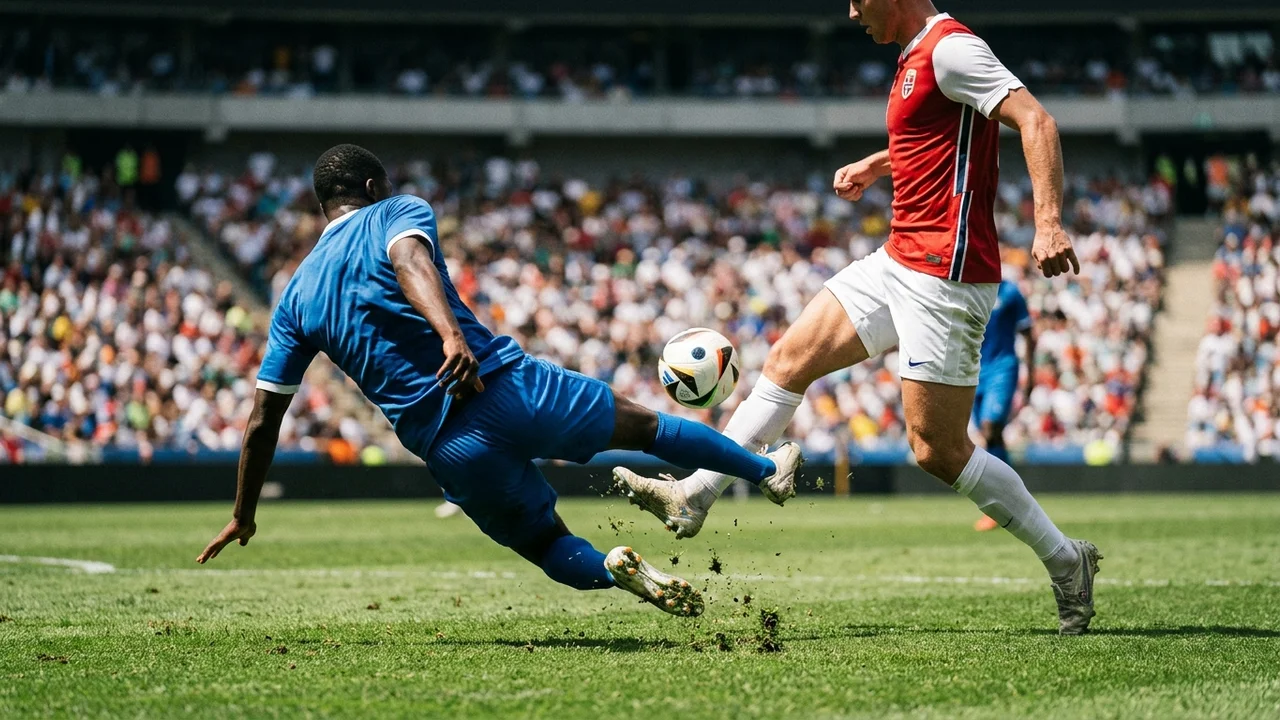
As the continent’s premier football leagues progress into the heart of the season, the injury landscape continues to shape the competitive dynamics across Africa. Between October 20 and 26, 2025, several key players across Africa’s top leagues find themselves sidelined, casting ripples through tactics, team morale, and league standings. From the Nigerian Professional Football League to the Egyptian Premier League and the South African Premier Division, the toll of injuries is reshaping club strategies and national team prospects alike.
InjuryWatch Africa remains vigilant, tracking these developments that impact not only club ambitions but also ambitions on the continental stage. The absence of prominent stars, sometimes entire stretches of key line-ups, illustrates the fragile balance between athleticism and vulnerability intrinsic to football. The league injury tracker paints a picture of fluctuating fortunes, with each recovery and setback adding layers to the narrative of the 2025 season. Elite Athlete Absence challenges teams to adapt quickly, reflecting on the importance of Africa Sports Report and African Sports Medicine advances in supporting athlete health and swift rehabilitation.
In brief:
- Several top African clubs report significant injuries affecting key players, including knee and hamstring issues, impacting attacking and defensive strategies.
- National sides preparing for upcoming qualifiers face challenges with unavailable players, influencing squad selections and tactical planning.
- Advancements in African Sports Medicine and League Injury Tracker technologies facilitate timely treatment and updates on player status.
- Pro Player Health Africa initiatives highlight the critical role of medical teams in managing athlete fitness amid packed schedules.
- Emerging injury trends this week emphasize the importance of squad depth and recovery protocols in sustaining competitive edge.
Impact of Key Injuries on African Club Football: Tactical and Competitive Shifts
In the wake of fresh injury reports, African clubs are forced to recalibrate tactics and squad rotations. The Nigerian Professional Football League’s Enyimba, for example, confronts the challenge of losing a pivotal midfielder to a hamstring injury. This absence not only disrupts their playmaking abilities but also tests the bench strength meticulously built over recent years. Similarly, Egyptian Premier League giants like Pyramids FC and Al Ahly are grappling with the sidelining of forwards and defenders due to knee injuries, highlighting the demanding nature of Top League Recovery in elite African football.
Managing these absences requires a strategic approach that combines tactical flexibility and youth integration, emphasizing the need for robust African Sports Medicine programs. Coaches lean on alternative formations, often shifting star players into unfamiliar roles to maintain competitive solidity. Such reshuffles can unsettle team cohesion initially but may open avenues for emerging talents eager to etch their mark on African football history.
For instance, Pyramids FC’s recent matches underscore how injury-driven adjustments challenge winning mentality cultivation, as outlined in Pyramids FC Winning Mentality. The resilience of these teams amid adversity reflects broader themes prevalent in African league injury insight discussions—how do teams maintain momentum when key players are absent?
- Midfield disruptions: Loss of creative midfielders hampers transition play and dictates a more conservative approach.
- Defensive reorganization: Injuries to defenders demand rapid redefinition of roles and communication on the backline.
- Emerging player opportunities: Younger squad members receive accelerated pathways into starting lineups.
- Medical interventions: Emphasis on injury prevention and rehabilitation intensity shapes weekly training sessions.
| Club | Player | Position | Injury Type | Expected Return |
|---|---|---|---|---|
| Enyimba | Chidi Okoro | Midfielder | Hamstring strain | November 15, 2025 |
| Pyramids FC | Ahmed Elshaer | Forward | Knee ligament tear | December 10, 2025 |
| Al Ahly | Mohamed Abdel | Defender | Knee cartilage injury | January 5, 2026 |
Such injuries highlight the physical demands of Africa’s top divisions and the indispensable role of African Sports Medicine in enhancing player recuperation. League injury tracker technologies continue to provide real-time updates, enabling coaches and supporters to track player rehabilitation closely.

National Team Setbacks: Injury Reports and Their Consequences on Africa’s AFCON 2025 Campaigns
With the Africa Cup of Nations 2025 qualifiers in full swing, national teams across the continent are grappling with the absence of critical players. Injuries sustained in league play or training camps have forced several head coaches to reconsider their lineups, testing the depth and adaptability of squads aiming to compete on the biggest stage.
For example, Malawi’s offensive arsenal suffered a blow when star striker Richard Mbulu was declared unavailable for the group clash against Senegal due to a muscle injury. This absence disrupts Malawian plans at a pivotal moment and places heightened responsibility on less experienced attackers stepping up. The situation echoes similar challenges faced by Ghana’s Black Stars, who reported multiple injuries forcing significant reshuffling before key matches against Angola and Niger, with Jerome Opoku’s withdrawal standing out due to a persistent gluteal issue aggravated by poor training conditions.
These scenarios emphasize the critical intersection between club injuries and continental ambitions. Pro Player Health Africa advocates stress the importance of close collaboration between clubs and national medical teams to manage player workloads and prevent recurrence of injuries. Such cooperation is essential as illustrated in the ongoing league injury tracker reports and African Sports Medicine breakthroughs helping players’ swift return to action.
- Key absence effects: National teams experience reduced tactical options and altered offensive or defensive strategies.
- Youth integration: Injuries accelerate reliance on younger, less-seasoned players gaining vital international exposure.
- Training infrastructure challenges: Poor pitch and prolonged recovery environments contribute to injury aggravation.
- Coordination priorities: Cross-entity collaboration between medical staff optimizes player health management.
| National Team | Player | Position | Injury Details | Expected Availability |
|---|---|---|---|---|
| Malawi | Richard Mbulu | Forward | Muscle strain | December 1, 2025 |
| Ghana | Jerome Opoku | Defender | Gluteal muscle aggravation | November 20, 2025 |
| Senegal | Mamadou Diouf | Midfielder | Hamstring strain | Early December 2025 |
These injury setbacks inevitably shape qualification campaigns and underscore the fragile balance African teams navigate between club commitments and national aspirations. The league injury tracker and Africa Football Health movements strive to ensure transparent updates and emphasize injury prevention strategies at the national level.
Football Injury Patterns Across Africa’s Leagues: Common Ailments and Their Implications
InjuryWatch Africa chronicles several recurring injury patterns sweeping across the continent’s leagues, offering insights relevant to managers, medical teams, and fans devoted to the beautiful game. A preponderance of hamstring strains, knee ligament injuries, and thigh muscle pulls paint a familiar picture consistent with the physically intense nature of African football.
Hamstring strains rank among the most frequent setbacks, typically sidelining players for a few weeks but sometimes stretching recovery if aggravated. Knee injuries, including anterior cruciate ligament (ACL) tears and cartilage damage, present longer-term challenges, often benching athletes for months. The arduous nature of African league competition, sometimes on suboptimal pitch conditions, intensifies the risk and complicates rehabilitation.
Understanding these common injuries sheds light on the critical role of African Sports Medicine in mitigating risks and promoting sustainable fitness. Clubs increasingly invest in preventive regimes, incorporating biomechanics analysis, player load management, and innovative recovery technologies. The League Injury Tracker continues to spotlight injury trends, allowing teams to bench manage effectively and prioritize player welfare.
- Hamstring strains: Most frequent injury, requiring careful management to avoid extended lay-offs.
- Knee ligament injuries: Often career-impacting, demanding surgical intervention and long rehabilitation.
- Thigh muscle pulls: Moderate-term incapacitation influencing midfield and wing players heavily.
- Sprains and fractures: Occasional but significant, especially impacting defenders in physical duels.
| Injury Type | Affected Players | Average Recovery Time | Impact on Team Dynamics |
|---|---|---|---|
| Hamstring Strain | 14 | 3 to 5 weeks | Reduced speed and offensive sharpness |
| Knee Ligament Injury | 7 | 4 to 6 months | Defensive instability and loss of experience |
| Thigh Muscle Pull | 10 | 2 to 4 weeks | Compromised midfield creativity and transitions |
| Sprains/Fractures | 5 | Variable (1 to 8 weeks) | Temporary line-up adjustments and rotations |
These patterns underline the need for interdisciplinary collaboration among African Sports Medicine experts, coaches, and players. Investment in fitness and rehabilitation not only preserves club competitiveness but also sustains the dreams of rising stars across African football.

Influence of Player Absences on African Football Betting and Fantasy Leagues
Injury developments across African leagues carry significant implications beyond matchday performance, extending into the realms of betting markets and fantasy football landscapes. Fans engaged in fantasy football must navigate the dynamic injury reports to set competitive line-ups. Meanwhile, bettors rely heavily on accurate League Injury Tracker and Africa Football Health data to make informed wagers.
The absence of key finishers, playmakers, or defensive stalwarts can heavily skew match outcomes, influencing odds and betting strategies. For instance, the Nigerian Professional Football League preview highlights how Enyimba’s injury woes could alter their expected goal shares, making them less favored in upcoming fixtures — detailed further in NPFL 2025 Preview Enyimba Rivers. Betting platforms and fantasy football providers increasingly integrate real-time injury feeds to ensure enthusiasts remain updated on player availability and fitness.
- Fantasy football considerations: Selecting healthy players optimizes points and maintains team competitiveness.
- Betting market dynamics: Sudden injury revelations cause shifts in odds and betting volumes.
- Data-driven predictions: Integration of injury reports enhances accuracy of betting tips and forecasts.
- Fan engagement: Keeping abreast of African Sports Medicine and Pro Player Health Africa updates deepens involvement.
| League | Key Injuries Impacting Betting | Fantasy Football Effects | Data Source |
|---|---|---|---|
| NPFL | Enyimba’s midfielder hamstring strain | Reduced selection of star midfielders in fantasy teams | League Injury Tracker |
| Egyptian Premier League | Pyramids FC forward knee injury | Shift in goal-scoring preferences on fantasy platforms | Africa Football Health |
| South African PSL | Defenders out due to ligament issues | Changes in defensive picks and captaincy choices | InjuryWatch Africa |
Understanding and leveraging these insights equip football enthusiasts to refine their tactical bets and fantasy football lineups, reflecting the evolving realities of African football Olympiad this season.
Medical and Technological Advances Empowering African Football Fitness and Recovery
Africa’s football medicine scene is evolving rapidly to meet the demands of its top-flight competitions. The integration of innovative recovery methods, personalized fitness programs, and injury prevention strategies underscore the continent’s commitment to preserving player longevity. Elite Athlete Absence monitoring, a cornerstone of the League Injury Tracker, leverages wearable tech, data analytics, and real-time diagnostics to streamline return-to-play timelines.
Leading African clubs have invested in specialized sports science teams, collaborating closely with medical research centers to implement best practices in rehabilitation. The synergy between Pro Player Health Africa initiatives and African Sports Medicine breakthroughs fosters a forward-thinking environment that prioritizes both physical and mental wellness. Beyond immediate treatment, these innovations reflect a broader cultural shift towards holistic athlete management across African leagues, as documented in numerous African Football Highlights.
- Wearable technology: Tracking workload, fatigue, and biomechanics for injury prevention.
- Data analytics: Predicting injury risks and customizing training regimens.
- Advanced rehabilitation: Utilizing hydrotherapy, physiotherapy, and cutting-edge surgical techniques.
- Mental health integration: Addressing psychological impacts of injury and enhancing recovery readiness.
| Innovation | Application | Benefit to Players | Impact on African Leagues |
|---|---|---|---|
| Wearable Tech | Real-time physical monitoring | Early injury detection and prevention | Reduced absenteeism and improved fitness levels |
| Sports Data Analytics | Injury risk modeling | Personalized training adjustments | Optimized squad rotations and longevity |
| Rehabilitation Advances | Enhanced physiotherapy techniques | Accelerated recovery times | Maintained team competitiveness |
| Mental Health Programs | Emotional and psychological support | Improved player resilience | Better on-field performance post-injury |
These ongoing advancements in African Sports Medicine signal a promising future for football fitness across the continent. With comprehensive injury monitoring and recovery protocols, the league injury tracker becomes a critical tool for clubs and national teams navigating the complex terrain of player health in 2025.
Embracing this fusion of passion and science, Africa’s top leagues are not only nurturing talent but safeguarding their heroes against the unpredictable nature of sporting setbacks, ensuring the game’s heartbeat stays strong.