African football continues to surge with thrilling developments from the continent’s vibrant leagues and national teams. As the 2025 season unfolds, young stars like Nigeria’s Gift Orban and South Africa’s Relebohile Mofokeng are capturing imaginations with electrifying performances that echo far beyond their home grounds. Traditional giants such as Egypt’s Al Ahly and Morocco’s Wydad Casablanca assert their dominance domestically and continentally, while new challengers from Tanzania and Angola disrupt expectations, reshaping Africa’s football power map. The fervor around national teams is intensifying ahead of the Africa Cup of Nations hosted by Morocco, where established titans like Senegal and dynamic newcomers gear up for highly competitive clashes. Meanwhile, the rise of women’s football heralds a promising new era, marked by unprecedented investment, media attention, and grassroots passion. This period also reveals ongoing challenges—from infrastructure hurdles to governance—that African football is confronting with determination. As the sport’s pulse quickens, platforms like BBC Sport Africa, ESPN Africa, and SuperSport broadcast the continent’s unstoppable energy to the world. Dive into the latest round-up to catch all the passion, progress, and promise shaping African football today.

Emerging Talent and Rising Stars Illuminate African Football Leagues in 2025
African domestic leagues have become electrified with the infusion of youthful prowess and rich local talent. In Nigeria’s Nigeria Professional Football League (NPFL), the spotlight is firmly on Gift Orban, a forward whose clinical finishing and agility have captivated scouts across continents. Orban’s goal-scoring spree not only catapults his club to valuable victories but also signals the continuing export of African footballing talent to Europe’s elite stages. South Africa’s Premier Soccer League (PSL) beams bright with Relebohile Mofokeng, the teenage prodigy at Orlando Pirates whose deft dribbling and mature tactical awareness belie his years. His performances epitomize how football academies and local clubs nurture raw potential into refined skill, a trend mirrored across the continent. Meanwhile, Egypt’s colossal clubs Al Ahly and Zamalek maintain their grip on the Egyptian Premier League title race, but with a noticeable shift: a rising reliance on meticulously developed academy graduates. This youth-centric approach is not mere coincidence but a strategic evolution in African football development, aiming to build sustainable competitiveness. The Cairo giants’ investment in youth academies creates a pipeline feeding both club success and national team competitiveness, a vital dynamic demonstrated by recent call-ups to Egypt’s national side.
- Nigeria’s NPFL boasts emerging talents like Gift Orban, influencing club success and attracting European scouts.
- South Africa’s PSL integrates youngsters like Relebohile Mofokeng, showcasing academy-led development.
- Dominant Egyptian clubs shift towards homegrown talent cultivation, enhancing league quality and national prospects.
- Smaller leagues in Tanzania and Angola start capturing continental attention with spirited performances and rising stars.
- Clubs focus on youth academies as strategic hubs for long-term success and talent retention.
| League | Top Emerging Player | Club | Notable Impact |
|---|---|---|---|
| NPFL (Nigeria) | Gift Orban | Enyimba FC | Consistent goal scoring, attracting European interest |
| PSL (South Africa) | Relebohile Mofokeng | Orlando Pirates | Creative midfielder, tactical maturity for age |
| Egyptian Premier League | Multiple academy graduates | Al Ahly, Zamalek | Increasing first-team roles, boosting national team prospects |
| Tanzanian Premier League | Sekou Mussa | Young Africans SC | Impressive performances at continental level |
The impact of youth investment has become increasingly evident. Clubs across Africa understand that fostering local talent not only strengthens their current squads but also builds a legacy. This strategy is captured by detailed coverage on African Football HQ’s analysis of youth football development. The evolution of academy systems and grassroots scouting has transformed former under-resourced leagues into vibrant arenas producing stars ready to compete internationally.
How Youth Development Shapes Club and National Success
Effective youth programs are far more than talent factories. They foster culture, discipline, and a deep understanding of tactical football, essential for success both at club and international levels. Nigeria’s recent boom in exporting players, coupled with South Africa’s meticulous coaching programs, demonstrates a strategic prioritization of youth development sending ripples through African football. Clubs like Al Ahly and Zamalek serve as prototypes for success, combining youth with experience to create balanced squads capable of dominating both local competitions and continental challenges. This approach reflects a broader continental ambition to elevate domestic leagues’ quality and competitiveness.
New Power Balances in African Continental Competitions: Champions League and Confederation Cup Insights
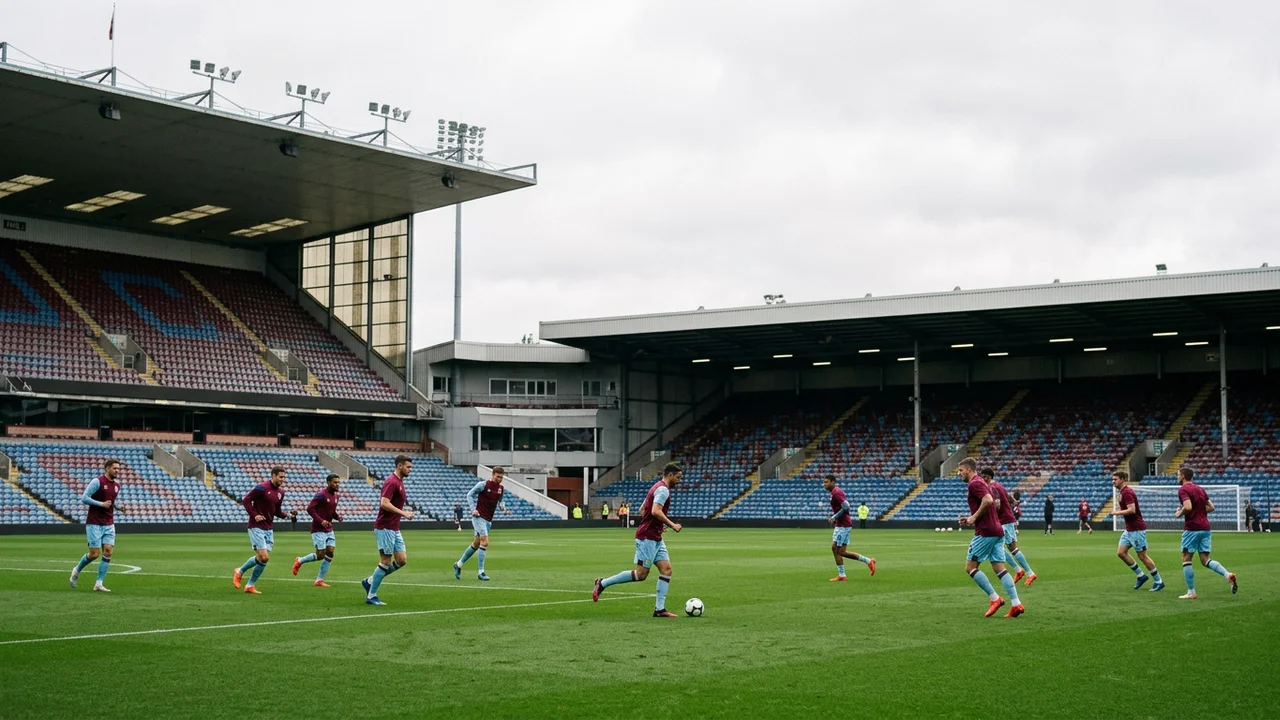
The CAF Champions League remains a spectacle that commands the attention of millions, an arena where Africa’s best collide to assert supremacy. The 2025 editions have seen stalwarts like Al Ahly, Wydad Casablanca, and Mamelodi Sundowns making deep runs, reinforcing their blistering reputations. However, the narrative shifts with exciting disruptions from emerging teams in Tanzania and Angola, who offer compelling performances defying old hierarchies. This evolving landscape marks African football’s growth in competitiveness and tactical sophistication.
- Al Ahly’s experienced and tactical approach aims to reclaim the continental crown with precision.
- Wydad Casablanca blends flair and efficiency, challenging traditional CAF powerhouses.
- Mamelodi Sundowns’ squad balance and tactical fluidity make them favorites in global tournaments such as the Club World Cup.
- Emerging clubs from Tanzania and Angola demonstrate growing investment and strategic football evolution across the continent.
- The CAF Confederation Cup continues to showcase the depth of African club football, with underdog clubs creating memorable runs.
| Team | CAF Champions League Status | Key Tactical Strength | Continental Impact |
|---|---|---|---|
| Al Ahly | Semi-finalist | Tactical discipline, experience | Longtime continental giant, favorites for title |
| Wydad Casablanca | Semi-finalist | Attacking prowess, quick transitions | Consistent challengers with strong tactical teams |
| Mamelodi Sundowns | Quarter-finalist | Balanced squad, tactical versatility | Leading South African club, Club World Cup contender |
| Young Africans SC (Tanzania) | Group stage contender | High-energy pressing, young talent | Emerging club quality, expanding Africa’s reach |
These tournaments are now broadcast with broader reach and professionalism, thanks to partnerships highlighted by African Football HQ’s coverage on CAF tournaments. The increased sponsorships and television contracts via BBC Sport Africa and SuperSport have brought unparalleled visibility and investment, accelerating league reforms and tactical advancements. Clubs and coaches invest more in scouting, nutrition, and tactical analysis, elevating continental football to new heights.
For those interested in the intricate strategies, the evolving tactics of African football have been dissected thoroughly on platforms such as African Football HQ’s tactical analyses, emphasizing how teams balance flair with discipline to succeed.
New Trends in Continental Club Competitions
The growth of tactical discipline, alongside individual creativity, enables teams to navigate CAF Champions League and Confederation Cup with strategy and resilience. This hybrid approach has resulted in several exciting outcomes in recent matches:
- Emphasis on strong defensive structures and quick transitions.
- Utilization of set pieces as decisive scoring opportunities, a tactic refined by leading teams.
- Integration of youth players gaining significant match time, highlighting investment returns.
- Increased use of video analysis and data-driven decision-making within club setups.
Fans and analysts increasingly regard CAF tournaments not just as competitions, but as showcases of African football’s professional evolution, as further explored in the detailed updates on African Football HQ’s weekly news.
National Teams Preparing for AFCON and FIFA World Cup Qualifiers Amid High Stakes
The build-up to the Africa Cup of Nations (AFCON) tournament in Morocco is fraught with intensity, promises, and historic ambitions. Morocco, the host, have transformed their national squad into a blend of experienced stalwarts like Achraf Hakimi and emerging stars such as the dynamic Khalid Agour, embodying a confident, innovative style. Senegal, as reigning AFCON champions, remains a formidable force with veterans like Sadio Mané, combining physical prowess and deft leadership. Nigeria, Ghana, and Egypt are all undergoing tactical and personnel overhauls to reunite with continental dominance, driven by a mix of seasoned veterans and emerging prospects. The qualifiers for the 2026 FIFA World Cup also create unparalleled tension and excitement, with surprising upsets by underdog teams like Cape Verde and Equatorial Guinea injecting drama into the race.
- Morocco’s hosting ambitions coupled with a strong squad aim to secure their fourth AFCON title.
- Senegal seeks to solidify their dominance with a balance of experience and youth.
- Traditional powerhouses Nigeria, Ghana, and Egypt are focused on rebuilding and integrating new talents.
- Qualifiers feature unexpected results, highlighting Africa’s growing football competitiveness.
- National teams prioritize tactical innovation and player conditioning ahead of major tournaments.
| National Team | Key Players | Recent Performance | 2026 World Cup Qualifiers Status |
|---|---|---|---|
| Morocco | Achraf Hakimi, Youssef En-Nesyri | Hosts, recent AFCON favorites, consistent qualifiers | Strong contender for qualification |
| Senegal | Sadio Mané, Edouard Mendy | Reigning AFCON champions, dominant qualifiers | On track for World Cup berth |
| Nigeria | Victor Osimhen, Wilfred Ndidi | Rebuilding phase, mixed recent results | Fighting for World Cup qualification |
| Ghana | Thomas Partey, André Ayew | Fluctuating form, squad refresh ongoing | Critical matches ahead |
The evolving qualifications and tournament preparations are chronicled extensively on African Football HQ and promoted by media giants such as The Guardian Nigeria Sports and FIFA Africa. Strategic choices by coaches during qualifiers, combined with players’ personal motivation, paint a picture of continental football fueled by dreams and national pride.
Impact of Tactics and Player Form on National Team Success
National teams increasingly recognize the importance of tactical versatility and fitness management. Coaches experiment with formations, often shifting between possession-based and counter-attacking styles depending on the opposition. Star players’ form and injury status heavily influence match outcomes and team selections. The emotional weight on players represents a powerful driving force, visible in intense encounters where every goal carries national hopes.
Women’s Football Flourishes Across Africa with Rising Power and Investment
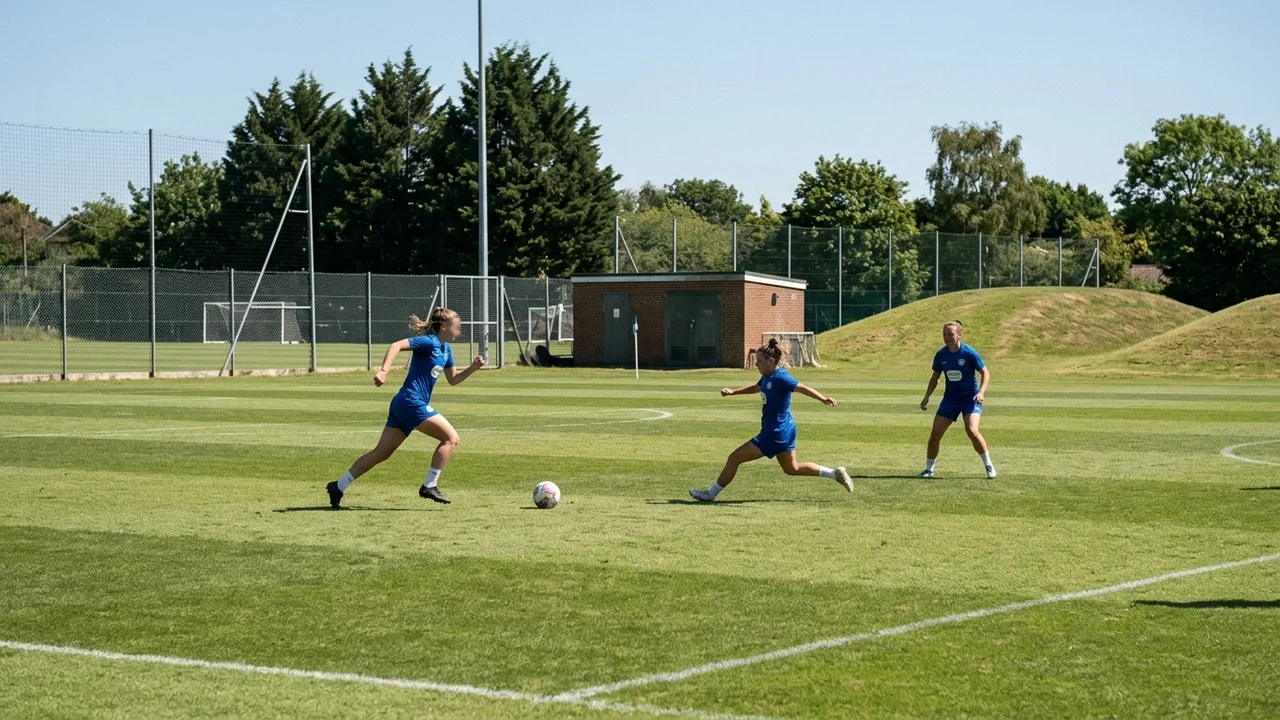
Women’s football is no longer on the fringes of African sport but surges at the forefront of cultural and athletic transformation. The CAF Women’s Champions League has entered its third season with increasing prestige, staging dramatic contests that showcase the finest female talents. Nigeria’s Super Falcons continue to command respect as perennial leaders, having qualified for every FIFA Women’s World Cup, reinforcing their role as continental pioneers. South Africa’s Banyana Banyana, energized by their first Women’s Africa Cup of Nations triumph, inspire with their flair and discipline, igniting new passion among young girls and families alike.
- CAF Women’s Champions League grows in competitiveness and visibility.
- Nigeria’s Super Falcons remain a continent-wide benchmark for excellence.
- South Africa’s recent successes spark wider interest and investment.
- Grassroots and infrastructure improvements accelerate in several countries.
- Global club stars like Asisat Oshoala amplify Africa’s women’s football reputation.
| Country | Key Women’s Team | Recent Achievements | Continental Influence |
|---|---|---|---|
| Nigeria | Super Falcons | Regular FIFA World Cup qualifiers, regional dominance | Continental leaders, youth inspiration |
| South Africa | Banyana Banyana | Won Women’s Africa Cup of Nations 2024 | Rapid growth in popularity |
| Morocco | Black Roses | Improved league and continental presence | Emerging competitive force |
Investment in women’s football extends beyond the pitch. Federations are busy developing coaching education, improving stadium access, and integrating gender-equality initiatives as football’s role in African societies expands. Players who shine on the international stage, like FC Barcelona’s Asisat Oshoala, bring global spotlight to African women’s football, promoting its value and inspiring new generations. Resources such as African Football HQ’s feature on emerging talents detail this transformative journey.
The Path Forward for Women’s Football in Africa
Future growth depends on continued investments, media attention, and tackling social barriers. Enhanced grassroots programs and better access to professional infrastructure are critical. The momentum generated by recent tournaments promises a bright future where women athletes achieve parity in the beautiful game, supported by enthusiastic fans and sustainable development strategies.
Challenges and Advancements: Navigating African Football’s Complex Landscape

Progress in African football is vibrant but uneven. Infrastructure gaps remain, especially outside major cities. Governance challenges and resource disparities occasionally hinder the sport’s full potential. However, the determined reforms herald a new era, with federations and clubs adopting transparent management and professional standards. Investments in stadiums, training centers, and youth academies are tangible signs of growth. Partnerships with international bodies, private sector involvement, and improvements in broadcasting — through channels like BBC Sport Africa and ESPN Africa — increase football’s accessibility and global reach.
- Infrastructure upgrades vital for competitive standards and fan experience.
- Governance reforms promote transparency and efficiency.
- Partnerships with FIFA Africa and other organizations enhance development programs.
- Corporate involvement injects financial resources and modern management.
- Diverse media platforms amplify African football’s global visibility.
| Challenge | Advancement | Impact on African Football |
|---|---|---|
| Poor Infrastructure | Investment in stadiums and training facilities | Improved player development and fan engagement |
| Governance Issues | Federation reforms and transparent leadership | Enhanced credibility and sponsor confidence |
| Limited Resources | Private sector partnerships and increased sponsorship | More sustainable club and league operations |
The dynamic growth and strengthened professionalism position African football for broader achievements both continentally and worldwide, as noted in insightful analyses on African Football HQ’s evolution reports and regular coverage by leading outlets like GOAL Africa, KickOff, and Africanews Sports. This evolution is punctuated by the heartfelt commitment of players, coaches, and administrators devoted to realizing Africa’s footballing dreams.