As African football continues to surge forward in both passion and professionalism, the recent upgrades and approvals of stadiums by the Confederation of African Football (CAF) are reshaping the landscape of international matches. For years, several venues struggled to meet CAF’s exacting standards, denying teams the much-needed home advantage that ignites local pride and fans’ fervor. The recent validation of venues like Uganda’s Mandela National Stadium marks a pivotal turn, not only enhancing the fan experience boost but also setting new benchmarks in venue modernization and event venue compliance. In tandem, innovations aimed at improving travel logistics demonstrate a keen awareness of African football’s unique challenges, paving the way for travel efficiency systems that help teams and supporters overcome historic hurdles.
This wave of CAF venue upgrades goes beyond mere technical compliance; it embodies a deeper narrative of cultural resurgence and continental unity through sport. The interplay between state-of-the-art stadium facilities and strategic travel planning underlines the evolving understanding within African football governance: that success on the pitch is intrinsically linked to the quality of its infrastructure and the ease of movement for teams and fans alike. With a spotlight on upcoming international fixtures such as the 2026 FIFA World Cup African qualifiers, these stadium enhancements promise to significantly influence outcomes by restoring the advantages teams lost for years due to substandard facilities.
The following exploration delves into the multifaceted impact of recent sport facility upgrades, the significance of CAF’s stringent stadium approvals, and the lasting effects on team performance, travel impact, and fan engagement. This comprehensive insight underscores why these developments matter—and why football lovers across the continent and beyond should be watching closely.
Key Takeaways:
- CAF stadium approvals signal a transformative push for venue quality, allowing African teams to reclaim their home advantage in crucial qualifiers and tournaments.
- Venue modernization initiatives include installation of new bucket seats, CCTV systems, and enhanced operations centers to uplift matchday standards and safety.
- Travel impact solutions address long-standing logistical challenges, reducing fatigue and allowing teams to compete at optimal levels on home soil.
- These upgrades greatly improve fan experience boost, encouraging higher attendance and more vibrant atmospheres unparalleled in African football history.
- The focus on event venue compliance sets a sustainable path for maintaining these improvements, ensuring long-term benefits for African football’s growth.
CAF Venue Upgrades Elevate African Stadiums to International Standards
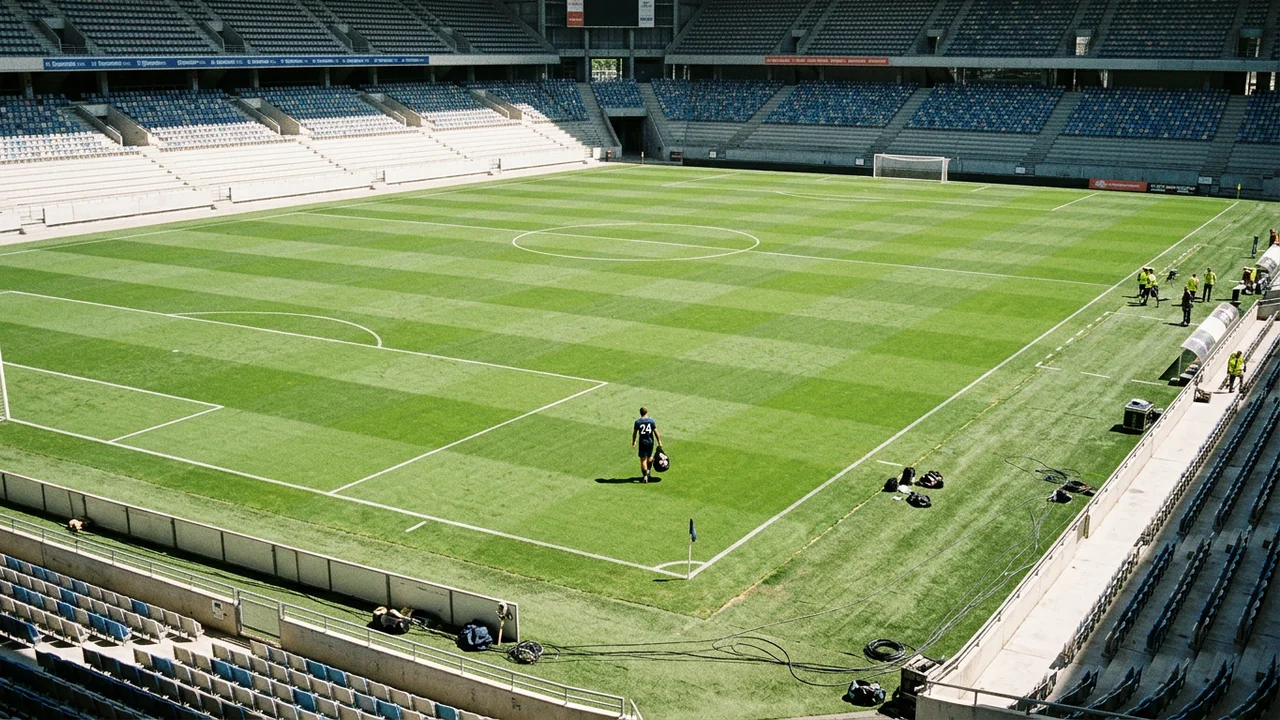
Recent CAF venue upgrades represent a significant leap in raising the bar for African stadiums, as seen with Uganda’s Mandela National Stadium. This venue’s transformation is a textbook example of how targeted refurbishment can lead to rapid gains in compliance and usability for international events. Previously, the Mandela National Stadium was criticized for outdated facilities that failed to meet the standards set by CAF inspectors, hindering Uganda’s ability to leverage its home advantage in global qualifiers.
CAF initiates a rigorous regime when assessing stadiums: inspectors meticulously evaluate aspects like seating arrangements, safety protocols, lighting, media centers, and security technologies. For Mandela National Stadium, the installation of bucket seats replaced benches, dramatically improving comfort and capacity management. An enhanced venue operations center was established, equipped with advanced CCTV cameras to monitor and manage crowd safety and operations in real time.
Similar efforts are underway across other African venues, each tailored to the specific weaknesses previously highlighted by CAF. These improvements not only satisfy technical standards but also elevate the venues’ prestige, making them attractive hosts for major tournaments such as the CAF Champions League or the African Nations Cup. The stadium’s ability to conform to FIFA certifications further validates its readiness for world-class competitions.
Visible results offer a newfound confidence to teams and fans alike. The home advantage tech improvement allows the Uganda Cranes to play before passionate home crowds, a factor historically linked to elevated team morale and elevated performance. As football is deeply woven into the cultural fabric of African countries, the return to upgraded home stadiums marks more than a logistical win—it symbolizes hope and pride for entire communities.
- Replacement of metal benches with seating for improved fan comfort.
- Installation of surveillance tech such as CCTV for enhanced security.
- Upgraded lighting and sound systems to meet broadcast requirements.
- Enhanced emergency access points and medical facilities ensuring compliance.
- Dedicated media zones equipped with modern communication amenities.
| Stadium | Facility Upgrades | CAF Approval Status | Upcoming Events |
|---|---|---|---|
| Mandela National Stadium, Uganda | Bucket seating, CCTV, operations center | Approved for FIFA World Cup Qualifiers | Uganda vs Botswana, Uganda vs Algeria 2024 |
| Hamz Stadium-Nakivubo, Uganda | Category 2 upgrades, FIFA certification | Caf approved for AFCON and Champions League matches | 2025 AFCON qualifiers |
| National Sports Stadium, Zimbabwe | Ongoing renovations, partial compliance | Pending full CAF approval | Future international matches TBD |
For enthusiasts eager to dig deeper into African football’s dynamic transformation, exploring topics like the CAF Club World Cup Africa evolution can provide valuable context on how stadium and competition upgrades intersect. Similarly, immersing oneself in the battle between tactics and talent reveals how infrastructure improvements complement on-field strategies.
Leveraging Home Advantage: How Stadium Enhancements Impact Team Performance
The significance of home advantage in African football cannot be overstated. Playing on familiar turf, fueled by vociferous home fans, often tips the balance between teams separated by fine margins. The recent wave of stadium enhancements invited by CAF’s assessments actively restores opportunities for many nations to re-establish this edge.
A thorough stadium upgrade affects team performance in multiple ways:
- Psychological uplift: Players draw strength from visual cues—upgraded facilities project professionalism which buds confidence.
- Improved pitch conditions: Refurbished surfaces reduce injury risk and enable more intricate tactics and passing plays.
- Fan proximity and atmosphere: Modern seating arrangements and acoustics maximize crowd noise impact, unsettling visiting teams.
- Better medical and recovery rooms: Facilitate quicker player recovery during matches or congested tournament schedules.
The consequences of substandard venues have been telling: African teams were compelled to continue international fixtures in neutral or foreign venues, stripping away both home crowd energy and familiarity with climatic or pitch conditions. The irony is painful—clubs and nations struggle abroad when odorless bureaucratic delays in stadium approvals directly sabotage their competitive edge. This has been especially true for World Cup qualification campaigns where a single point or home win can define a team’s legacy.
Uganda’s Mandela National Stadium offers a beacon of hope and a case study in successful transformation. After upgrading, the stadium will host critical matches against Botswana and Algeria, signaling a return to an energizing home ground dynamic. These fixtures are loaded with potential—not just for points, but for rekindling a national spirit and inspiring the next generation of players.
| Home Advantage Factor | Impact on Team Performance | Example from Mandela National Stadium |
|---|---|---|
| Familiar environment | Enhanced comfort and confidence for players | Uganda’s win vs Malawi in 2019 at Namboole |
| Fan support | Louder atmosphere disrupting opponents | Anticipated heightened attendance in 2024 qualifiers |
| Improved facilities | More effective tactical implementation and injury prevention | New bucket seating and pitch quality upgrades |
To understand how these elements play into broader African football culture, one might also appreciate the fierce rivalries like Al Ahly vs Wydad, where atmosphere and venue quality serve as crucial battlegrounds. The rise of these stadium improvements even fuels talk of an African Super League, where quality venues and fan engagement will be paramount.

Mitigating Travel Impact: Solutions that Empower African Teams
Travel has long been a headache for African teams due to vast distances, poor infrastructure, and expensive flights. The strain of travel often translates into fatigued players and disrupted preparations, undermining performance. Recognizing this, CAF and local football associations have started to implement travel impact solutions that aim to reduce these adverse effects.
Among the key strategies:
- Centralized match scheduling: Grouping fixtures in nearby locations to minimize back-and-forth trips.
- Improved transport logistics: Collaborations with airlines and bus companies to provide tailored, timely travel options.
- Accommodation and training proximity: Ensuring hotels and practice fields are close to stadiums to reduce shuttle times.
- Investment in travel tech: Use of GPS monitoring and health tracking software to manage player fatigue and optimize recovery.
These travel efficiency systems show early promise, helping teams arrive fresher and more mentally prepared. For example, Uganda’s FUFA administration coordinated transport and accommodation precisely for the June 2024 qualifiers at Mandela National Stadium. By efficiently managing logistics, the team has better conditions to capitalize on their newly restored home advantage.
| Travel Challenge | Impact on Teams | CAF Travel Solutions |
|---|---|---|
| Long haul flights and layovers | Fatigue and disrupted routines | Strategic fixture scheduling to reduce travel |
| Poor local transport infrastructure | Delays to training and matches | Local transport partnerships and dedicated team buses |
| Inconsistent accommodation quality | Suboptimal rest and recovery | Pre-booked, standardized hotel standards near stadiums |
The evolving approach contrasts with past experiences where teams had to endure harsh travel conditions without administrative guidance, potentially losing valuable match fitness and focus. This progress was discussed recently in forums spotlighting FIFA’s African referees for 2026, highlighting CAF’s holistic approach to enhancing all facets of the game.
Fan Experience Boost: Modern Stadiums Reignite Football Passion
Fans are the heart and soul of African football, and their experience is indispensable. Upgrades focusing on seating, accessibility, safety, and screen visibility make a palpable difference in how supporters connect with the game. The surge in venue modernization aims squarely at delivering a fan experience boost that matches the energy on the pitch.
New stadium designs embrace:
- Improved seating comfort and visibility with bucket seats and unobstructed sightlines.
- Enhanced safety protocols supported by real-time CCTV monitoring and well-trained security personnel.
- Interactive digital screens and sound systems providing instant replays and engaging content.
- Convenient fan amenities like clean restrooms, organized food vendors, and accessible entrances and exits.
During the Uganda Cranes’ return to Mandela National Stadium, fans are expected to revel in such improved environments. Plus, the psychological boost of attending matches in a safe and welcoming setting cannot be underestimated; it inspires recurring attendance, builds deeper community ties, and energizes players.
| Aspect | Before Upgrade | After Upgrade | Fan Impact |
|---|---|---|---|
| Seating | Old benches, limited comfort | Modern bucket seats | Greater comfort and higher attendance |
| Safety | Minimal surveillance | CCTV and operations center monitoring | Improved feeling of security |
| Facilities | Basic amenities | Enhanced restrooms, concessions, and entrances | Smoother matchday experience |
Understanding fan culture and stadium atmosphere is essential to grasp the full impact. African football thrives on passionate support; venues that honor this passion by investing in infrastructure invite stories of legendary atmospheres and unforgettable moments. Check out the lasting impact of leagues like the Egyptian Premier League’s Al Ahly for a glimpse into how stadium environments can become crucibles of football folklore.
Ensuring Long-Term Success: Compliance and Sustained Facility Management
While upgrades ignite fresh hope, the true test lies in maintaining these improvements to sustain African football’s rise. Event venue compliance is not static; it demands ongoing investments, regular inspections, and adherence to evolving CAF standards.
Key components for sustained success include:
- Regular maintenance schedules: Preventive repairs for seating, lighting, and pitch quality.
- Training for stadium staff: Ensuring operational excellence during events.
- Financial planning: Allocating funds for long-term upkeep beyond initial refurbishments.
- Community involvement: Engaging local fans and businesses to foster stadium ownership and care.
- Monitoring technological upgrades: Keeping up with advances in security and fan engagement tools.
Zimbabwe’s National Sports Stadium exemplifies challenges in this arena, still awaiting complete CAF approval due to incomplete renovations. This underscores that stadium upgrades must be accompanied by sustainable management to avoid cyclical failures that undermine teams’ home advantage and fan trust.
| Management Aspect | Recommended Practice | Impact on Venue Sustainability |
|---|---|---|
| Maintenance | Scheduled inspections and repairs | Extends facility lifespan |
| Staff Training | Regular workshops on event management | Enhances operational efficiency |
| Financial Planning | Dedicated budgets for upkeep | Ensures consistent facility quality |
For those looking to keep pace with African football’s infrastructural developments, resources such as the detailed highlight archives on African Football Highlights provide ongoing coverage of improvements and their influence on the sport’s heartbeat.
What is the significance of CAF stadium approvals?
CAF stadium approvals validate that venues meet international standards, allowing African teams to host important matches and reclaim home advantage.
How do stadium upgrades impact team performance?
Upgraded stadiums improve player confidence, pitch quality, fan atmosphere, and medical facilities, all of which contribute to enhanced team performance.
What travel solutions are being implemented to ease teams’ logistics?
CAF and football associations coordinate match scheduling, improved transport, accommodation proximity, and travel technology to reduce fatigue and logistical burdens on teams.
How do modern stadiums enhance the fan experience?
Modern stadiums provide comfortable seating, better safety, digital engagement, and amenities that make attending matches more enjoyable and safe for fans.
Why is sustainable management important for newly upgraded venues?
Sustainable management ensures ongoing compliance and venue quality, preventing deterioration and preserving the stadium’s status as a home advantage hub.