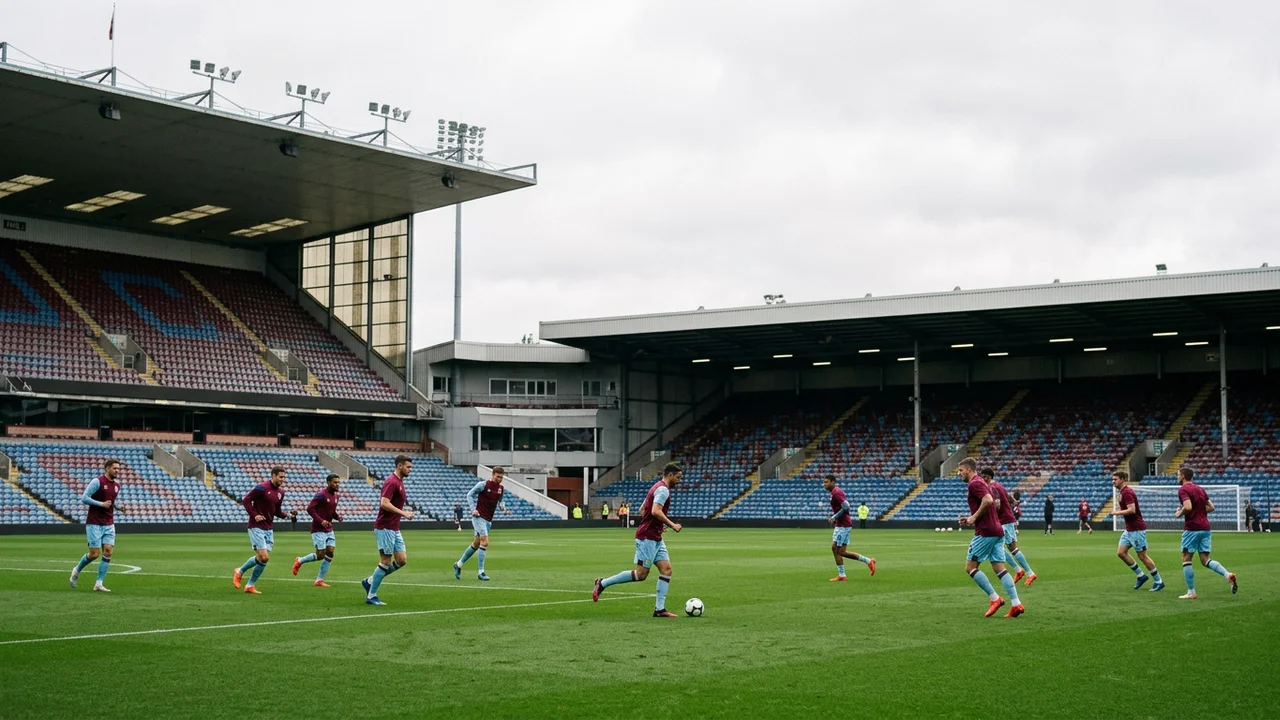
The countdown to AFCON 2025 intensifies as fans across Africa brace for what promises to be a thrilling edition of the continent’s premier international football tournament. Yet, alongside anticipation, there’s growing concern over a wave of critical injury updates destabilizing some of the continent’s most formidable national squads. This week alone has delivered a flurry of news, signaling potential upheavals that could shape group stages and knockout phases alike. From Nigeria’s harrowing fitness challenges to Morocco’s struggles with key player availability, the injury saga is more than a subplot: it’s becoming a central theme in the narrative of the 2025 Africa Cup of Nations.
The ripple effect of football injuries extends beyond individual players — it impacts team tactics, morale, and the strategies national coaches must deploy under pressure. As Africa’s footballing elites prepare to gather in Morocco, the host nation, the integrity of squads from powerhouse nations like Cameroon, Ivory Coast, and Nigeria is being tested. These developments underscore the vital intersection of modern sports medicine, training management, and competitive readiness essential at this level of football intensity. Stay tuned as we break down the latest injury news and what it means for the tournament’s biggest names and their nations.
Key Injury Updates at a Glance:
- Nigeria sidelined crucial forward Kelechi Iheanacho with fitness doubts.
- Morocco’s Achraf Hakimi battles serious ankle injury jeopardizing opener participation.
- Cameroon faces controversy after excluding veteran striker Vincent Aboubakar.
- Ivory Coast missing Nicolas Pépé, a surprise omission sparking widespread debate.
- Burkina Faso’s Issa Kaboré likely out for six weeks following a hamstring issue.
Medical Setbacks and Their Impact on Team Dynamics in AFCON 2025
Injuries in football are not just personal setbacks but tectonic shifts in team dynamics, especially in tournaments carrying the weight of continental pride like AFCON. This week’s injury updates revolve around several high-profile players whose fitness is vital for their national teams’ fate. Take Nigeria, for example: the Super Eagles’ preparations have suffered a blow with the latest news regarding Kelechi Iheanacho. The forward, returning from a hamstring injury, is still hampered by abdominal discomfort. Despite his recent comeback moment, medical officials deemed him unfit for the rigors of AFCON, signaling a cautious approach by the coaching staff to preserve long-term player health over instant tournament gain.
Nigeria’s worries extend beyond Iheanacho. Victor Boniface’s lukewarm club form fails to convince selectors, casting doubt on Nigeria’s attacking depth going into the competition. The absence of these vital players forces tactical rethinking, often compelling coaches to pivot strategies from high-press attacking play to a more conservative or counter-attacking style. This imbalance can seed uncertainty in locker rooms and amongst fans, but also offers an unexpected platform for lesser-known talents to emerge.
Morocco’s challenge epitomizes the intersection of player fitness and tournament readiness. Achraf Hakimi’s ankle injury, sustained in a high-stakes Champions League fixture, now threatens his involvement in the pivotal opening match. This has wide-reaching implications not only because Hakimi is a tactical linchpin for the Atlas Lions but also because morale and national expectations hinge heavily on star player contributions. Sports medicine has improved markedly over recent years with rehabilitation protocols that offer some hope, yet the uncertainty gnaws at coaching decisions and pre-match confidence.
For Burkina Faso, the setback is equally significant. Right-back Issa Kaboré is projected to miss roughly six weeks due to a hamstring injury observed during friendly play. His absence disrupts the defensive structure of the Stallions and complicates substitution planning, emphasizing the delicate timing and physical demands players face at this elite level. The frequency of recovering from such specific injuries introduces concerns about re-injury risks, convincing teams to err on the side of caution.
Injuries like these illuminate a fundamental truth about the Africa Cup of Nations: team impact doesn’t rest solely on skill or tactical acumen but on maintaining player fitness amidst intense club and international schedules. For insight into how teams navigate these pressures, one can reference the latest injury reports across African leagues, offering perspective on broader medical management within the sport on the continent.

Major Absences Stir Debate and Shift Tournament Favorites
Beyond the physical toll of injuries, the exclusion of marquee players continues to stir controversy and speculation among fans, pundits, and national federations. The absence of Nicolas Pépé from Ivory Coast’s squad remains one of the most discussed developments. Despite impressive performances with Villarreal, including a recent Player of the Month award in LaLiga, Pépé’s omission was rationalized by head coach Emerse Faé citing a combination of on- and off-pitch factors. This decision alters Ivory Coast’s attacking arsenal considerably, highlighting how squad selections often balance talent with team harmony and discipline.
Cameroon presents another layered story, particularly with the exclusion of Vincent Aboubakar. Rumors hint at internal politics influencing the decision, with speculation about the Cameroon FA president, Samuel Eto’o, protecting his own national goals record. While such narratives often lack official confirmation, the effect is undeniable — a seasoned goalscorer absent at a time when experience is precious. The striker’s removal, coupled with Eric Maxim Choupo-Moting’s exclusion due to diminished international involvement, leaves Cameroon’s frontline in a state of flux.
Other headline names missing the tournament include Morocco’s Hakim Ziyech, who, though back in club play with Wydad AC, remains ineligible until January, sidelining him for the tournament’s duration. Meanwhile, DR Congo’s Yoane Wissa, recovering from a long injury layoff, has also been ruled out due to insufficient match fitness.
These high-profile absences redistribute the balance of power, prompting fresh debates on who the tournament favorites are. The latest analysis on AFCON 2025 contenders suggests that nations traditionally seen as dark horses might capitalize on this disruption, illustrating how injury news reverberates far beyond medical rooms and penetrates fans’ predictions and betting markets.
The landscape of AFCON 2025 is not just shaped by who plays but by who can’t. These stories reaffirm the unpredictable nature of tournament football, where resilience and depth often trump star-studded lineups. A look at the evolving squads reveals a continent in transition — where emerging talents have the chance to define narratives once dominated by established icons. For a deeper dive into qualification and squad-building challenges, see the comprehensive AFCON 2025 qualification updates.
Player Fitness and Sports Medicine: Revolutionizing Match Readiness
The management of football injuries has become a sophisticated science, intertwining sports medicine with analytics and player conditioning. As AFCON 2025 approaches, teams leverage advanced rehabilitation techniques, physiological monitoring, and recovery protocols to optimize player fitness. This week’s news underscores how vital these innovations are, offering hope to players like Achraf Hakimi and Issa Kaboré who battle mid-season injuries.
Sports medicine experts emphasize the delicate balance between hastening recovery and avoiding setbacks. Modern player care involves a multi-disciplinary approach including physiotherapists, nutritionists, psychologists, and performance analysts. The aim is not only to restore physical capacity but also to mentally prepare athletes for the tournament’s intense competition.
Take the example of Kelechi Iheanacho’s careful handling by Nigerian medical staff. Abdominal issues post-hamstring injury necessitated a highly individualized plan focusing on core stabilization and gradual reintegration into training. This cautious strategy reflects a shift from past eras where players often rushed back prematurely, risking chronic problems.
Moreover, the role of real-time data monitoring — tracking player movement, workload, and recovery metrics — is growing in African football, replicating trends seen in European leagues. This technological adoption helps coaches make informed decisions on match readiness and rotation, critical in managing congested match schedules ahead of the tournament. For more guidance on elite player conditioning, the Mohamed Salah fitness guide exemplifies modern best practices for maintaining peak performance.
This intersection of medicine and coaching tactics is proving pivotal in how national teams cope with injury challenges. Smart management not only limits time on the sidelines but also preserves squad morale and cohesion — two intangible yet decisive factors in high-stakes international football.
Injury Impact on Tactical Strategies for Key AFCON Nations
The presence or absence of influential players drastically shapes tactical blueprints and matchday strategies in African national teams. As injury reports evolve, coaches across the continent have been forced to rethink formations and roles to maintain competitive edges during the tournament.
Nigeria’s situation is a textbook case in tactical adaptation. Without regular starters Kelechi Iheanacho and Victor Boniface, Coach Jose Peseiro must deploy an alternative strike force relying on less proven but highly motivated forwards. This shifts Nigeria from a balanced attacking threat to a more pragmatic setup prioritizing defensive solidity and counter-attacks. How well this approach will succeed remains to be seen, but it underlines the direct link between player fitness and game plans.
Morocco, the host, faces even more complex choices. Achraf Hakimi’s uncertain availability affects both defensive coverage and attacking transitions, as his overlapping runs and pace are integral to Moroccan tactics. Backup players will need to fill in seamlessly, or Morocco risks losing a key dimension in its playstyle.
Cameroon’s unusual squad dynamics, stemming from the absence of Vincent Aboubakar and Eric Maxim Choupo-Moting, might compel a youth-integration strategy. The coaching team may favor energetic attackers with fresh legs but less international experience, prioritizing high pressing and rapid transitions to compensate for experience gaps.
These tactical shifts also manifest in training sessions, where coaches experiment with different formations and partnerships. The final team sheets presented on matchday might feature lineups unfamiliar to fans but born from necessity in managing injury turmoil. Such adaptability often defines tournament success as much as skill or raw talent.
For insights on how African teams adjust lineups and tactical setups during AFCON, the resource on AFCON 2025 tactical analysis provides a comprehensive look, complementing the current injury-driven shifts underway across the continent.
Injury Updates and Forecast: What to Watch for in the Upcoming Fixtures
Looking ahead, the injury landscape will remain fluid through the initial stages of AFCON 2025, directly impacting team performances and tournament narrative arcs. Key fixtures could hinge on the fitness progression of prominent players currently sidelined or recovering.
Monitoring developments such as Achraf Hakimi’s recovery timeline or a potential return of Nigeria’s Victor Osimhen could pivot group stage dynamics. Early tournament games often set the tempo — a strong indication of which teams manage player fitness effectively will become clear. AFCON watchers should keep an eye on these developments through reliable channels that deliver tournament updates and injury reports in real time, such as AFCON 2025 qualifier news and player fitness bulletins.
Teams with deeper squads and advanced medical setups hold a natural advantage in managing cumulative fatigue and emergency replacements. These factors are often overlooked in casual assessments but reveal themselves when matches reach extra-time and knockouts intensify.
Ultimately, injury news will continue to weave into the fabric of AFCON 2025’s drama, reminding fans that football is not just a game of skill, but also of resilience, preparation, and the unpredictable human element. The days ahead promise revelations, heartbreak, and heroic comebacks as Africa’s finest clash for glory amidst the ebb and flow of player fitness.
| Player | Nation | Injury Type | Status | Expected Return |
|---|---|---|---|---|
| Kelechi Iheanacho | Nigeria | Hamstring & Abdominal | Unavailable for AFCON | Post-tournament recovery |
| Achraf Hakimi | Morocco | Serious Ankle Injury | Uncertain for opener | January 2026 |
| Issa Kaboré | Burkina Faso | Hamstring Strain | Six weeks out | Late January 2026 |
| Nicolas Pépé | Ivory Coast | Non-injury related omission | Excluded from squad | N/A |
| Hakim Ziyech | Morocco | Eligibility delay | Ineligible until January | January 2026 |
What are the key injury concerns heading into AFCON 2025?
Major concerns include Nigeria’s Kelechi Iheanacho’s fitness issues, Morocco’s Achraf Hakimi’s ankle injury, and Burkina Faso’s Issa Kaboré’s hamstring problem. These injuries threaten their participation and influence team strategies.
How do injuries affect AFCON team strategies?
Injuries force national team coaches to alter formations and player roles, often requiring them to focus more on defensive solidity and counter-attacks when key attackers are sidelined.
Why was Nicolas Pépé excluded from Ivory Coast’s squad despite good form?
Ivory Coast’s coach cited several factors beyond just current form, including team dynamics and off-pitch considerations, leading to Pépé’s surprising omission.
Where can fans follow the latest AFCON 2025 injury updates and squad news?
Fans can stay informed via dedicated portals like African Football HQ, which offers comprehensive updates on injury news, qualification developments, and player fitness.