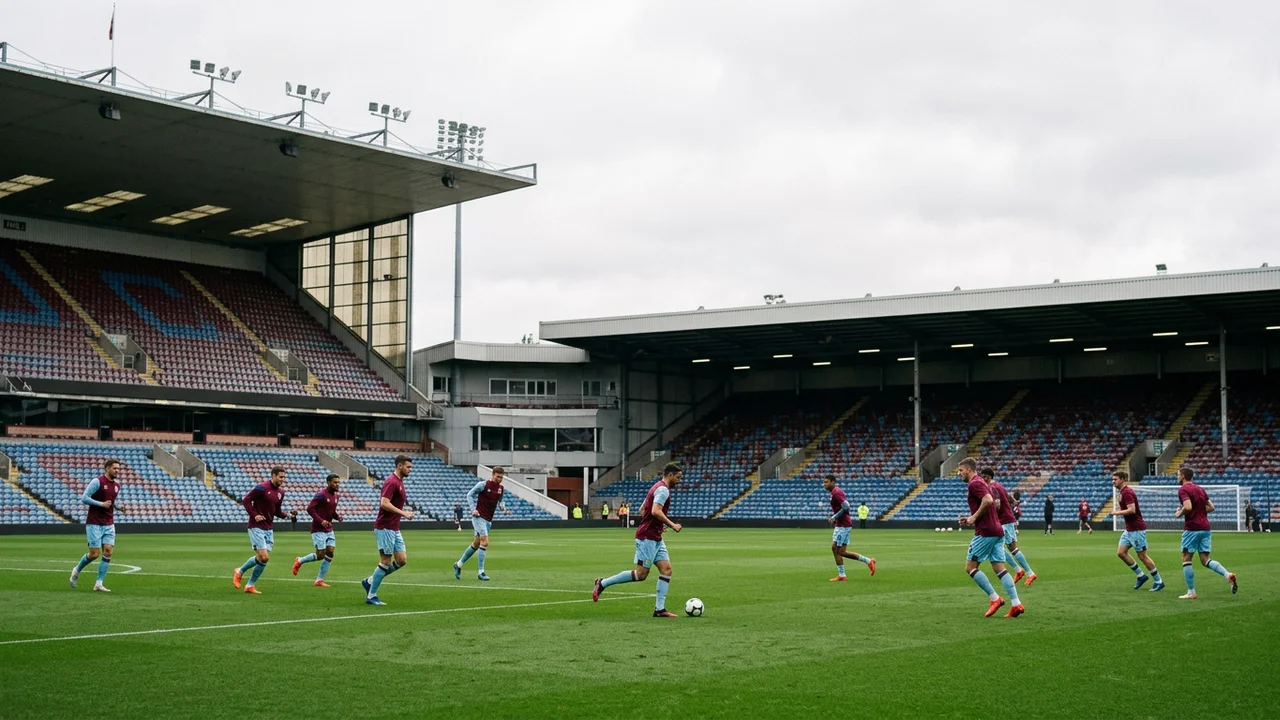
Injury Watch December 24 2025: As AFCON 2025 draws ever closer, the excitement surrounding Africa’s premier football tournament is tinged with growing apprehension about player fitness and squad readiness. The continent’s top teams are grappling with key injury concerns that could dramatically reshape the tournament’s landscape. Fans and analysts alike are monitoring the physical condition of pivotal stars who carry the hopes of their nations. With fatigue, muscle strains, and ligament issues becoming more prevalent following intense club seasons and qualifiers, the build-up to the competition is a high-wire act balancing ambition and vulnerability.
The hosts, Morocco, stand out with significant setbacks involving crucial contributors like Achraf Hakimi and Hakim Ziyech. These injuries not only jeopardize their tactical fluidity but also place additional pressure on squad depth and resilience. Meanwhile, Nigeria’s midfield challenges, Senegal’s cautious optimism amid minor knocks, and Burkina Faso’s major blow with Issa Kaboré’s hamstring strain highlight an injury spectrum reshuffling expectations across top contenders. The evolving fitness landscape demands that coaching staffs innovate tactics and manage player recovery meticulously to keep their championship dreams alive in the unforgiving environment of AFCON.
Morocco’s Injury Challenges and Their Impact on Tournament Prospects
Morocco enters AFCON 2025 with the weighty expectations that come with being reigning World Cup semifinalists and home favorites. The pride of the Atlas Lions is deeply connected to the performances of global stars such as Achraf Hakimi and Hakim Ziyech. However, recent setbacks have cast doubts on Morocco’s ability to sustain their attacking and defensive balance. Hakimi’s ankle injury sidelines him for an anticipated six to eight weeks, threatening his presence from the tournament’s onset. Known for his electrifying pace and defensive solidity, Hakimi’s absence leaves a wide gap on Morocco’s right flank, challenging the team’s width and fast breaks.
Hakim Ziyech, frequently the creative heartbeat of Morocco’s attack, has been limited by muscle tears preventing him from hitting peak form. His diminished minutes during friendlies with Comoros disrupted the team’s offensive rhythm. The loss of these two figures forces Coach Walid Regragui to experiment extensively with alternative formations and personnel, which could blunt Morocco’s trademark fluidity manifested in quick combination plays and sharp counterattacks.
Recent matches underscore these concerns. A 2-0 home defeat against Senegal revealed Morocco’s defensive vulnerabilities, amplified by missing key defenders and creative midfielders. While their home stadium offers an intimidating atmosphere for opponents, Morocco’s fitness woes may temper the advantage. Adapting to this injury setback involves reshuffling defensive roles and relying on emerging talents who may lack major international experience but are vital to plugging gaps.
| Match | Opponent | Result | Key Players Affected | AFCON 2025 Implications |
|---|---|---|---|---|
| Friendly Nov 2025 | Comoros | Draw 1-1 | Hakimi (minor knock), Ziyech (limited minutes) | Questions over attacking sharpness |
| Friendly Nov 2025 | Senegal | Lost 0-2 | Defense unstable, Boufal sidelined | Urgent defensive adjustments needed |
| Qualifier Oct 2025 | Tunisia | Win 2-0 | Squad rotated successfully | Fitness management key despite win |
Morocco’s ability to manage this fitness crisis while maintaining tactical flexibility will be a defining factor in their pursuit of continental glory. Keeping key personnel fit and successfully integrating backups can either uphold their starred status or expose them to early exits. For fans tracking AFCON 2025 injury updates, Morocco’s situation exemplifies the precarious balance between ambition and physical reality in international tournaments.

Fitness Concerns and Tactical Risks Among AFCON Contenders: Nigeria, Senegal, Ivory Coast, and Egypt
The knock-on effects of injuries extend far beyond Morocco. Top contenders like Nigeria grapple with midfield issues that threaten their structural coherence even as star striker Victor Osimhen remains fit and explosive. Nigeria’s midfield acts as the engine room for Osimhen’s attacking prowess, and uncertainty here has led to inconsistent performances in recent friendlies and qualifiers. Physical issues in that zone compromise ball control, transition speed, and thereby influence their overall tactical fluidity. Despite this, the Super Eagles hold strong attacking potential that could be decisive — provided the fitness situation improves. More details about Nigeria’s ongoing struggles and squad updates can be seen here.
Senegal, the defending champions since their 2022 AFCON triumph, face minor fitness knocks among key players like Sadio Mané and Kalidou Koulibaly but boast depth that many rivals envy. Coach Pape Thiaw’s decision to include three players carrying injuries in the final squad underscores the delicate balancing act. The Teranga Lions emphasize strategic squad rotation, mental resilience, and medical prudence ahead of a demanding schedule. Their robust squad and adaptive approach, combining experience and emerging talent, provide a blueprint of managing injury pressures effectively. The list of players called up and further injury analysis is available at this link.
Ivory Coast, fresh off their 2023 title win, navigate selective injuries among their forward line. The coaching team tightly manages training workloads to keep strikers sharp while mitigating injury risk. Their ability to blend well-rested veterans with upcoming European-based talents ensures depth that could prove vital as injury-hit squads evolve. Similarly, Egypt’s approach reflects a transition phase, blending recovering experienced players and emergent youth, resulting in less predictable performances but a potential dark horse factor. Insightful team fitness and player form commentary is found here.
| Team | Key Player Fitness Status | Recent Form (Last 5 matches) | Impact on AFCON Favouritism |
|---|---|---|---|
| Nigeria | Osimhen fit; midfield injury concerns | 3W, 1D, 1L (mixed) | Potential high power but with inconsistency |
| Senegal | Minor knocks; strong squad depth | 4W, 1L (strong) | Top tier contender with resilience |
| Ivory Coast | Selective forward injuries | 4W, 1D (stable) | Competitive and cautiously optimistic |
| Egypt | Recovering veterans and new talents | 2W, 2D, 1L (inconsistent) | Unpredictable potential dark horse |
How each nation manages fitness concerns will decisively influence the style and outcomes of their AFCON campaigns. Their ability to integrate emerging talents or cope with diminished options due to injury issues could rewrite the storylines of the competition’s top contenders.
The Physical Toll of Injuries and Team Strategies for Sustaining Performance at AFCON
Injuries heading into AFCON 2025 not only reduce available personnel but critically test a squad’s collective stamina, mental toughness, and strategic creativity. The interplay of intense club seasons, national qualifiers, and a condensed tournament timeline amplifies the injury risk. Coaches face a balancing act between resting key players to avoid exacerbating injuries versus giving them adequate game time to salvage match sharpness.
Advanced injury management, combining cutting-edge sports science and psychological resilience training, has become paramount. Players recovering from hamstring strains, ligament damages, and muscle tears require carefully calibrated programs. These injuries impact teams in distinct tactical ways:
- Hamstring Strains decrease attacking pace and force teams to adopt more conservatively paced styles.
- Ligament Injuries cause defensive instability, often compelling coaches to modify formations or deploy backup players with less experience.
- Muscle Tears limit creative attacking options, opening doors for younger or less heralded players to step into critical roles.
- Goalkeeper Hand Injuries pose unique challenges, as substitutions disrupt defensive psychology and team cohesion.
Morocco’s ongoing difficulties exemplify how injury disruptions ripple beyond physical absence to affect squad morale and tactical consistency. A well-rounded support system addressing both physical rehabilitation and mental health will distinguish teams capable of enduring AFCON’s brutal demands.
Burkina Faso’s Setback: The Impact of Issa Kaboré’s Injury on Stallions’ AFCON Campaign
Affecting a mid-tier AFCON contender, Burkina Faso’s preparations took a major hit when their key right-back Issa Kaboré suffered a hamstring strain during a friendly against Niger. With an expected recovery period of six weeks, Kaboré’s injury severely hampers the Stallions’ defensive solidity and offensive transitions. As a player known for his relentless pace and accurate overlapping runs, his absence removes much of Burkina Faso’s threat down the right wing.
Coach Brama Traoré faces the daunting task of restructuring the backline with less experienced alternatives, an adjustment that comes with risks in cohesion and match readiness. The loss of Kaboré is more than just physical; it tests the team’s tactical versatility and psychological resilience. Early group-stage fixtures demand sharp and confident performances, which may be compromised by this enforced reshuffle.
| Player | Position | Injury | Recovery Time | Tactical Ramifications |
|---|---|---|---|---|
| Issa Kaboré | Right-Back | Hamstring Strain | 6 weeks | Loss of flank speed and forward surges; forces defensive reshuffle |
This development spotlights the fragile nature of fitness even among teams not widely tipped as favorites, emphasizing how injuries can influence strategic setups across the continent. Burkina Faso’s capacity to compensate for this absence will be closely watched as they strive to make an impact. For readers keen to follow such critical injury impacts on African football, a detailed injury report offers broader insights.
Changes in AFCON 2025 Qualification and How Fitness Trends Shape Contender Readiness
The revamped AFCON qualification system introduces a more intense and unforgiving structure, dividing 48 teams into 12 groups with a home-and-away format. This reconfiguration places enormous demands on squad management, requiring teams to optimize fitness through tactical rotation and injury prevention strategies.
Every match weighs heavily on qualification prospects, with head-to-head performances prioritized over goal differences. This shift leads to higher stakes in rivalry clashes, often escalating physical battles and injury risks. Consequently, teams increasingly invest in state-of-the-art conditioning and medical protocols to safeguard vital players while preserving competitive sharpness.
Some critical aspects of the new system include:
- Early knockout stages amplify pressure, demanding peak fitness from the outset.
- Group stages’ compressed schedule tests squad depth and recovery capacity.
- Tiebreaker emphasis on direct matches raises strategic preparation intensity.
- Cross-continental club commitments complicate consistency in player availability.
Teams with robust medical infrastructures and tactical flexibility stand to gain a competitive edge under this system. Understanding these qualifications and fitness dynamics is essential for anyone closely following the tournament’s evolving storylines.
How do late injuries affect team chances at AFCON 2025?
Injuries close to the tournament reduce available playing options, forcing teams into last-minute tactical adjustments and potentially disrupting squad chemistry, which can influence early group stage results and knockout performance.
Which players’ fitness is most crucial for Morocco’s success in AFCON 2025?
Achraf Hakimi’s role as a right-back and Hakim Ziyech’s creative midfield presence are vital. Their full fitness ensures Morocco maintains defensive stability and attacking innovation essential for hosting success.
How does the new AFCON qualification format influence player injuries?
The high-intensity, compressed qualification matches increase physical strain, raising injury risks and necessitating careful squad rotation and fitness management to ensure peak performance at the tournament.
What tactical adaptations do teams usually make due to injuries ahead of AFCON?
Teams often adopt more defensive formations, rely on emerging talents, modify pressing intensity, and emphasize squad depth to conserve energy and reduce risks of re-injury during the tournament.
Is it possible for injured players to recover in time for AFCON 2025?
Recovery depends on injury severity, treatment quality, and player resilience. While some may return, most teams prepare alternative squad options to mitigate the impact of prolonged absences.