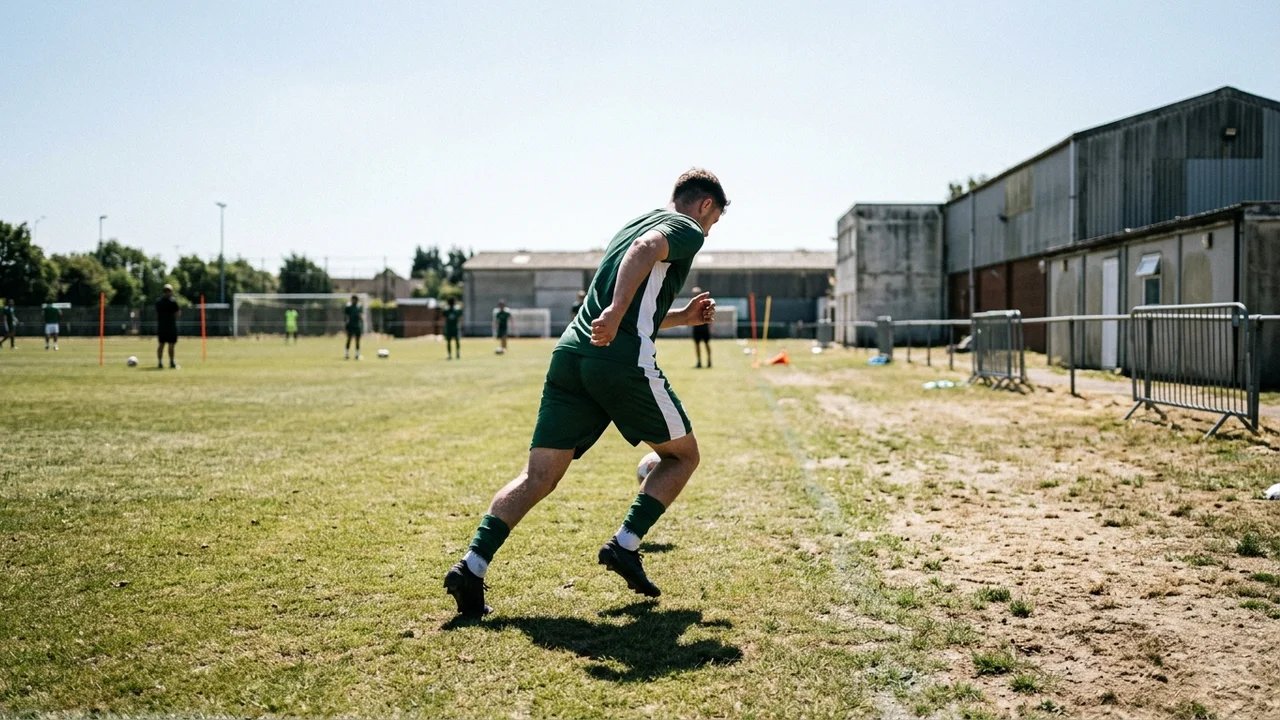
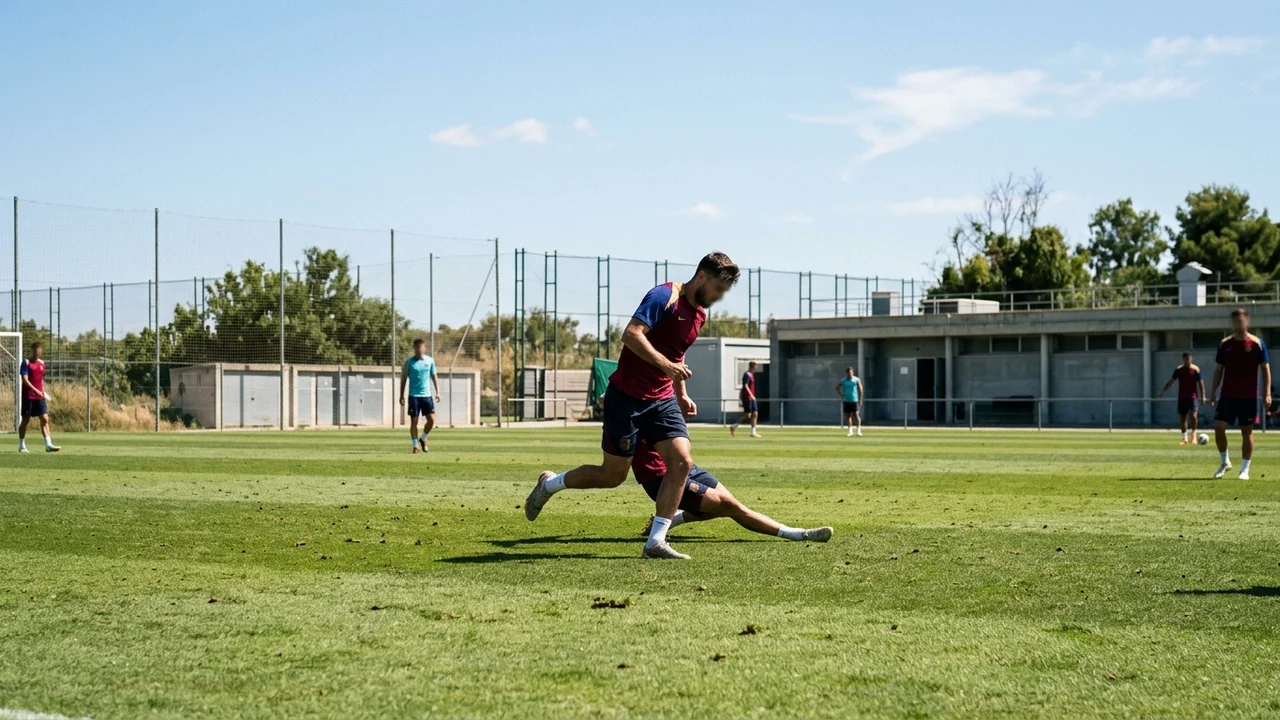
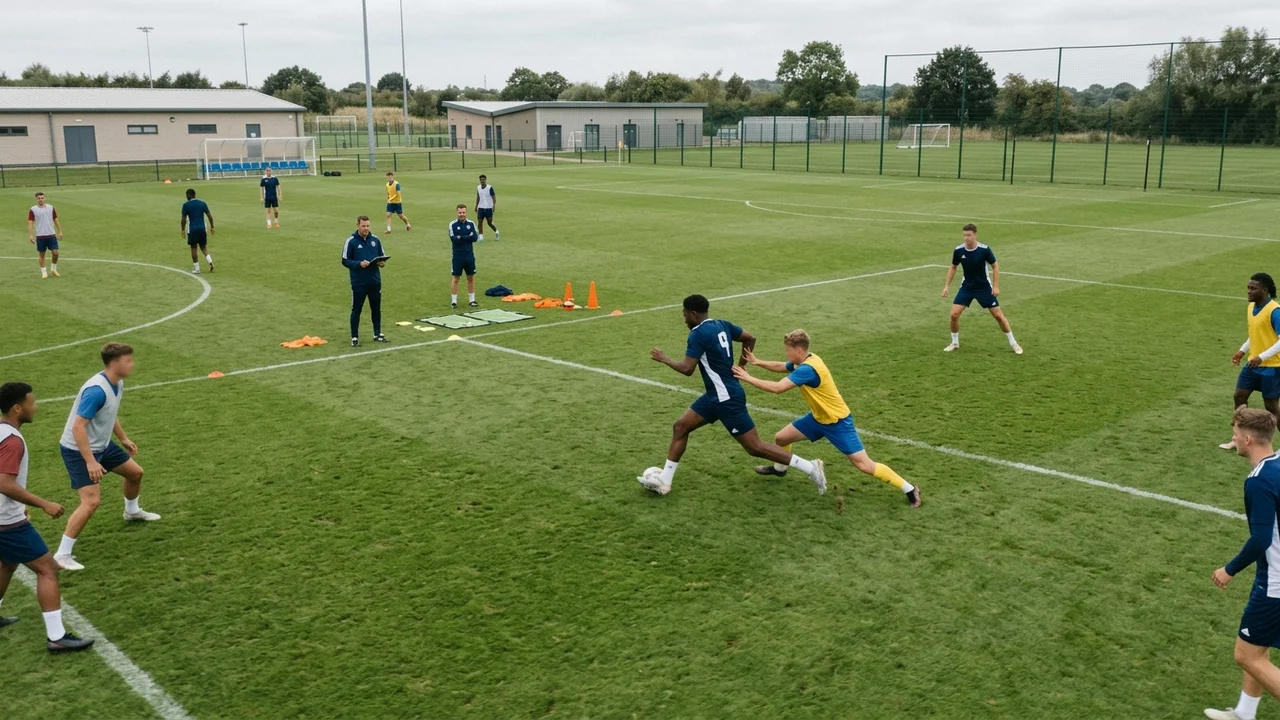
The Ghana Football Association (GFA) has taken a bold and transformative step to reshape the future of football in the country, focusing intensively on youth development. The announcement, delivered at the 31st Ordinary Congress held at the Ghanaman Soccer Centre of Excellence in Prampram, represents a comprehensive reform package aimed at not only nurturing young talents but also enhancing football governance, infrastructure, and grassroots initiatives. With an eye on empowering a new generation of players and officials, GFA President Kurt Okraku set the tone by emphasizing “Winning the 12th Man, Youth Empowerment & Consolidating Our Gains.”
These reforms arrive at a crucial juncture for Ghanaian football, as clubs and national youth teams continue to achieve impressive milestones in African competitions, reflecting the potential and depth of local talent. At the heart of these changes is an ambitious vision to professionalize the game further, enhance infrastructure, and provide solid support for both male and female youth football. The reforms also weave in stronger policies to foster inclusivity and sustainability, promising a brighter future not just for Ghana but for the broader African football scene.
As the 2025/26 season approaches, the youth development program is set to transform with mandatory inclusion of under-19 players in every league matchday squad, an initiative aimed at increasing competitive experience for emerging stars. Funding and resources will be ramped up to support Colts football and elite academies, while infrastructure projects at training centers receive significant upgrades. This comprehensive strategy harmonizes well with global football trends and local ambitions to elevate the Ghanaian football brand on both continental and international stages.
Key Points at a Glance:
- The GFA introduces mandatory inclusion of U-19 players in matchday squads, starting from the 2025/26 season.
- A significant investment of $200,000 worth of footballs to grassroots programs nationwide.
- Infrastructure upgrades at the Ghanaman Soccer Centre of Excellence, including new natural grass pitches and gym facilities.
- Expanded support for girls’ football with allocated funds for regional U-15 Girls Leagues.
- Comprehensive policy reforms encompassing professional contracts, media rules, and academy licensing.
- Enhanced welfare for referees with better insurance and equipment provisions.
How GFA’s Youth Development Policy Promises to Revolutionize Ghanaian Football Talent
The Ghana Football Association’s latest youth development policy is an assertive step towards systematically cultivating football talent from the earliest stages. One of the most striking reforms is the mandatory inclusion of under-19 players in all league matchday squads starting in the 2025/26 season, ensuring that young prospects gain essential match exposure at competitive levels. This policy is designed to integrate youthful energy into senior football while providing clubs with the incentive to develop robust youth academies and scouting networks.
Such a policy has already shown promising impact in other footballing nations. For example, clubs in countries like Spain and Germany have long benefited from integrating youth players into senior squads, producing world-class talents who thrive on early professional experience. In Ghana, leagues will now see an influx of fresh talent harnessed and tested on weekly stages, aligning with GFA’s vision to build a sustainable talent pipeline.
Alongside player inclusion, the Association plans to provide $200,000 worth of footballs to grassroots programs across the country—a crucial boost for training quality in areas where resources have often been scarce. Grassroots football, often the heartbeat of African football culture, depends heavily on basic equipment that can make the difference between a hobby and a professional pathway.
The policy doesn’t stop at players. It embraces capacity-building for coaches and administrators as well. Free training programs for some 900 Colts coaches over a three-year span underscore the commitment to professionalizing coaching techniques and tactical education nationwide. Additionally, workshops for District Football Association administrators and media officers promise to enhance organizational and communication skills, equipping stakeholders with tools necessary for modern football management.
- Mandatory U-19 player inclusion in match squads
- Provision of footballs worth $200,000 for grassroots
- Free training for over 900 Colts coaches
- Workshops for DFA administrators and media officers
- Financial incentives for regional youth tournaments
| Component | Details | Impact |
|---|---|---|
| U-19 Player Mandate | Required in all matchday squads | Increased competitive youth exposure, talent development |
| Football Equipment Allocation | $200,000 worth of footballs nationwide | Improved grassroots training resources |
| Coaching Education | Free training for 900 coaches | Enhanced coaching quality, tactical improvements |
| Administration Workshops | Capacity-building for DFA staff | Improved governance and event management |
| Tournament Funding | Financial and material support for youth leagues | Increased participation and competitive standards |
This comprehensive approach ensures the youth development program is not just about players but the entire ecosystem supporting their ascent. When young players like the promising talents emerging from depicted rising stars in African football get systematic nurturing, the entire football landscape brightens.

Infrastructure Upgrades Fueling Football Excellence at the Ghanaman Soccer Centre
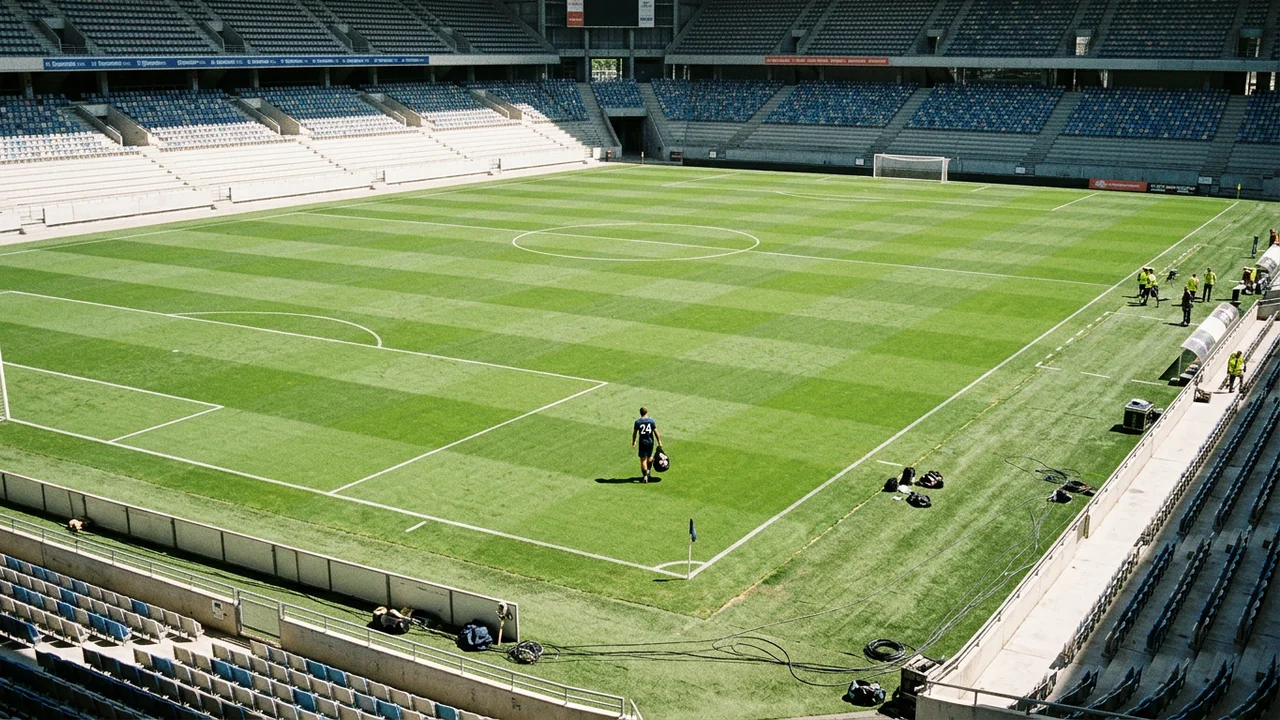
One cannot overstate the importance of infrastructure when it comes to building footballing success. Recognizing this, the GFA has allocated significant resources to enhance the Ghanaman Soccer Centre of Excellence in Prampram. Ongoing upgrades include the installation of multiple natural grass pitches that provide playing surfaces meeting international standards, enabling young players to train under optimal conditions akin to professional environments.
The recent addition of a modern gymnasium and a multi-purpose court adds a new dimension to player preparation, where strength, conditioning, and injury prevention receive specialized attention. This holistic focus aligns with global trends, evident among renowned academies worldwide, which understand that physical development off the ball is as critical as tactical training.
Crucially, a 40-bed accommodation facility nearing completion aims to house youth players from across the country, eliminating barriers such as long-distance travel that can hinder consistent training. This on-site accommodation fosters community, discipline, and focus among young talents, vital ingredients for success. The synergy of infrastructure and residential facilities is reminiscent of setups like the Right to Dream Academy, known for producing players who succeed domestically and abroad.
Beyond physical structures, investment in lighting and pitch maintenance technologies ensures these facilities retain high usability and safety standards year-round. This commitment to infrastructure upgrade lays a foundation for Ghana’s future star players to emerge in an environment conducive to professional growth and international competitiveness.
- New natural grass pitches built to international standards
- Modern gymnasium and multi-purpose sports court installed
- Near-completion of 40-bed accommodation facility for youth players
- Advanced pitch maintenance and lighting systems deployed
- Integration with youth academies and training programs
| Facility Upgrade | Purpose | Expected Benefits |
|---|---|---|
| Natural Grass Pitches | Provide quality training and match surfaces | Improved ball control, injury reduction |
| Gymnasium | Physical conditioning and rehab | Enhanced fitness, injury prevention |
| Multi-purpose Court | Versatile training space, alternative sport drills | All-round player development |
| Accommodation Facility | Residency for youth players | Consistent attendance, holistic welfare |
| Lighting & Maintenance | Ensure safety and usability | Year-round training availability |
These investments reflect GFA’s recognition that infrastructure is not merely an expense but a critical enabler for player growth—just as renowned brands like Nike, Adidas, and Puma support infrastructures that nurture athletic excellence worldwide. Ghana’s push reflects a growing momentum in African football infrastructure, on par with continental peers preparing for major events like CAF Champions League 2025.
Empowering Women’s Football: Financial and Structural Backing for Girls’ Leagues
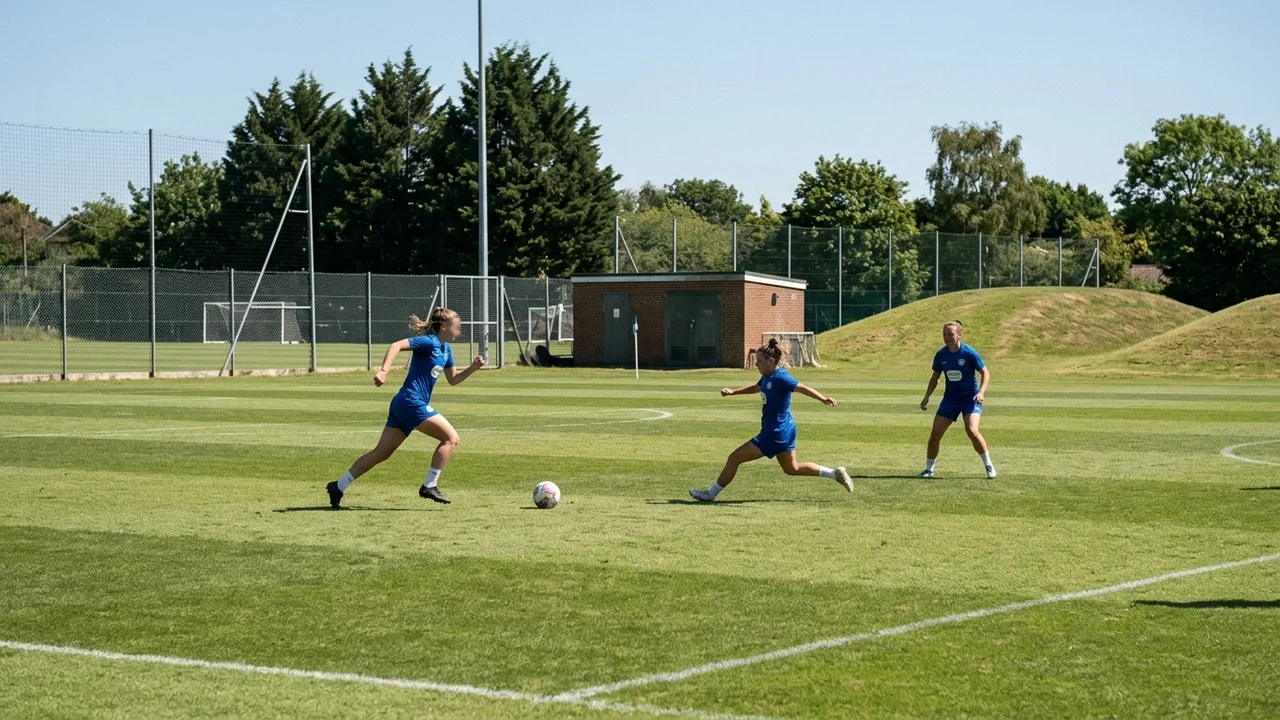
Women’s football in Ghana has risen impressively in recent years, underscored by the Black Queens’ bronze medal at the Women’s Africa Cup of Nations and the remarkable success of the U-15 girls who claimed double gold at the CAF Schools Championships. The GFA’s reforms extend specifically to this sector, injecting new life through increased funding and structural support.
This season, an allocation of GHS 80,000 per Regional Football Association will support the organization of an eight-club U-15 Girls League, ensuring young female players gain the competitive matches and visibility necessary to advance their careers. Moreover, continuous funding for U-17, U-15, and U-13 regional competitions with complimentary jerseys, balls, and financial support closes the gap between male and female youth football opportunities.
Supporting and elevating women’s football also creates a ripple effect. It challenges social norms, opens new paths for young girls who dream of football careers, and stimulates related industries including media, sponsorship, and grassroots coaching—all crucial areas that the GFA aims to develop with targeted programs and advocacy. This development coincides with CAF’s broader objectives to promote women’s involvement across African football.
- Funding of GHS 80,000 for Regional U-15 Girls Leagues
- Provision of jerseys and footballs for girls’ youth tournaments
- Financial support for U-17, U-15, and U-13 female competitions
- Promotion of gender inclusivity in football programs
- Linking female youth leagues with national women’s teams
| Support Area | Initiative | Impact |
|---|---|---|
| Funding | GHS 80,000 per region for U-15 Girls League | Expanded participation and competition |
| Equipment | Jerseys and footballs for female youth teams | Improved quality and professionalism |
| Tournament Support | Financial backing of regional championships | Stronger competitive framework |
| Inclusivity Programs | Policies promoting gender equity | Enhanced social acceptance |
| Talent Pathways | Linkage between youth and senior women’s teams | Smooth progression for players |
With the backing of sponsors and the resonating success stories of players trained under initiatives like CAF Champions League fixtures and domestic leagues, Ghana’s women’s football is poised to become a continental powerhouse. This forward motion is echoed by investments from major sports brands like Umbro and New Balance that endorse female athletes globally.

Transforming Referee Welfare and Governance to Sustain Football’s Integrity and Growth
A critical yet often overlooked component of football’s growth is the welfare and professionalization of referees and administrators who uphold the game’s integrity. The GFA’s reform agenda places strong emphasis on this by introducing comprehensive insurance packages, increased match fees, and the provision of quality uniforms and boots for match officials. Additionally, in partnership with transportation company STC, referees receive subsidized travel arrangements, alleviating one of the major burdens many officials face in the course of their duties.
Improving referee welfare speaks volumes about Ghana’s commitment to world-class standards, evidenced by parallel policy progress in many prominent football federations. The provision of professional equipment and better compensation raises the standard of officiating – crucial for ensuring fair play in leagues that feed Ghana’s national teams and international club competitions.
Beyond welfare, governance reforms also include introducing a Standard Player Contract mandatory from 2025/26 season, establishing clearer negotiations and protection for players and clubs alike. New Media and Marketing Regulations set the stage to commercialize Ghanaian football more effectively, aligning with global industry giants like Gatorade and Molten that support football events and youth programs worldwide.
- Insurance and increased match fees for referees
- Uniforms and boots provided to officials
- Subsidized travel partnerships with STC
- Implementation of Standard Player Contract
- Media and marketing regulations to boost football’s profile
| Governance Reform | Description | Long-term Benefits |
|---|---|---|
| Referee Welfare | Insurance, gear, fees, travel subsidies | Higher officiating standards, retention |
| Player Contracts | Mandatory standard contracts from 2025/26 | Legal clarity, player protection |
| Media Regulation | New guidelines for marketing and broadcasting | Better commercialization, audience growth |
| Club Incentives | Bus acquisition strategy expanded | Improved club logistics and professionalism |
| Regional Leadership | New second vice-presidential role with gender focus | Stronger diversity and governance |
The adoption of these reforms not only feeds into a professional ecosystem but also shores up Ghana’s presence on platforms showcasing African football talent and competition, such as events noted in African stars transfer news, and helps build a sustainable and respected football culture from the grassroots through to the elite levels.
Additionally, for fans seeking the latest updates and highlights, African football highlights offers a wealth of content showcasing how these reforms ripple through match performances and league dynamics.
Broader Policy Advocacy: Shaping the Future Landscape of Ghanaian Football
GFA President Kurt Okraku has championed several policy proposals designed to create a more sustainable and beneficial football ecosystem in Ghana. These include calls for regulated sponsorship from alcoholic beverage companies, redistribution of betting taxes to finance development programs, reductions in VAT for football clubs, and tax exemptions on football equipment. Such initiatives aim to alleviate financial pressures on clubs and enable reinvestment into youth and infrastructure development.
This holistic policy advocacy reflects a deep understanding of the financial challenges within football administration and development across Africa. By aligning incentives and regulations, the GFA hopes to foster greater corporate partnerships and community support, further embedding football into Ghanaian culture and economy.
Moreover, the recent extension of the GFA President’s term limit to three terms and the introduction of a second vice-presidential role, which must be held by a woman, signal progressive governance reforms focused on leadership continuity and gender inclusiveness. These institutional changes are poised to bring stability and new perspectives that can fuel innovative solutions for Ghana football’s future challenges.
- Policy lobbying for regulated alcohol sponsorship
- Betting tax redistribution to fund football initiatives
- VAT reductions for clubs to ease financial burdens
- Tax exemptions on equipment to lower costs
- Governance reforms to enhance leadership and gender balance
| Policy Focus | Proposal | Expected Outcomes |
|---|---|---|
| Sponsorship Regulation | Control of alcohol brand sponsorship | Ethical partnerships, stable funding |
| Tax Redistribution | Betting taxes redirected to football development | Increased program financial resources |
| VAT Reduction | Lower taxes for clubs | Improved financial health |
| Equipment Tax Exemption | Elimination of taxes on football gear | Greater accessibility for players |
| Leadership Reform | Term extension, gender-inclusive VP role | Stronger governance and stability |
The cumulative effect of these reforms and policy initiatives indicates a long-term plan by the Ghana Football Association to position the nation as a powerhouse in African football development. In doing so, Ghana is set to inspire neighboring countries and strengthen its competitive edge in continental tournaments such as the AFCON 2025 qualifiers.