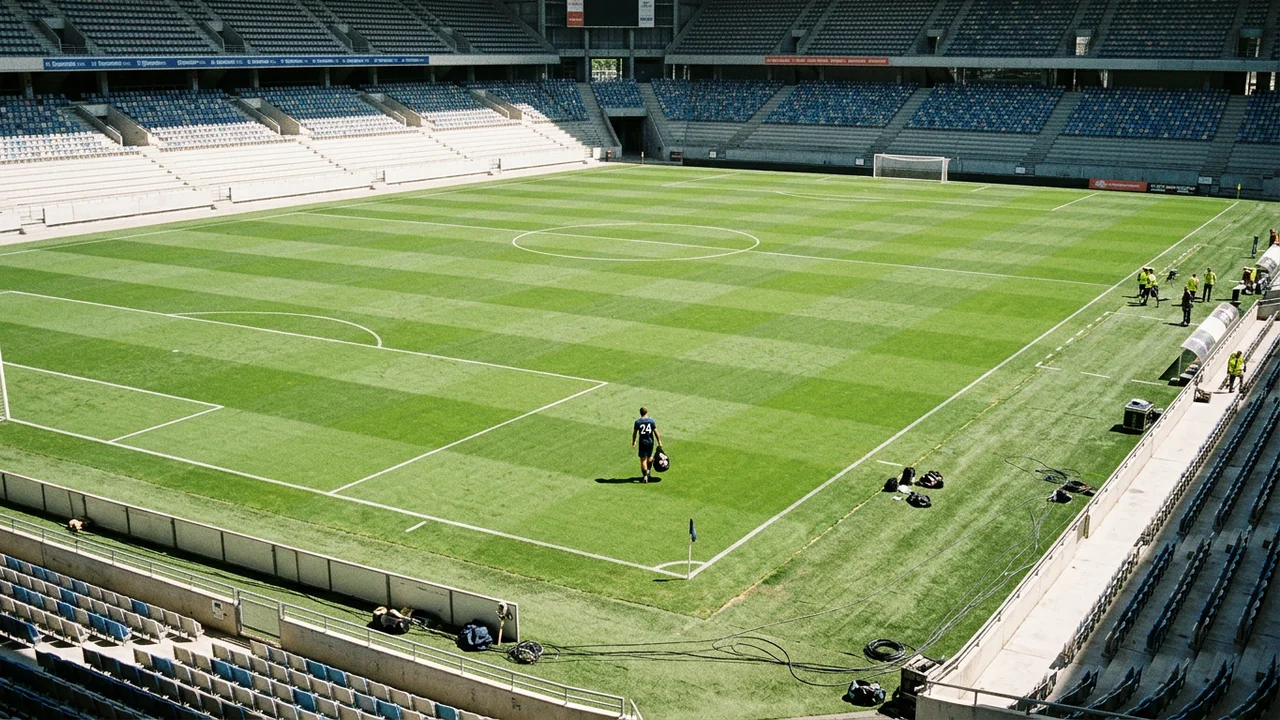
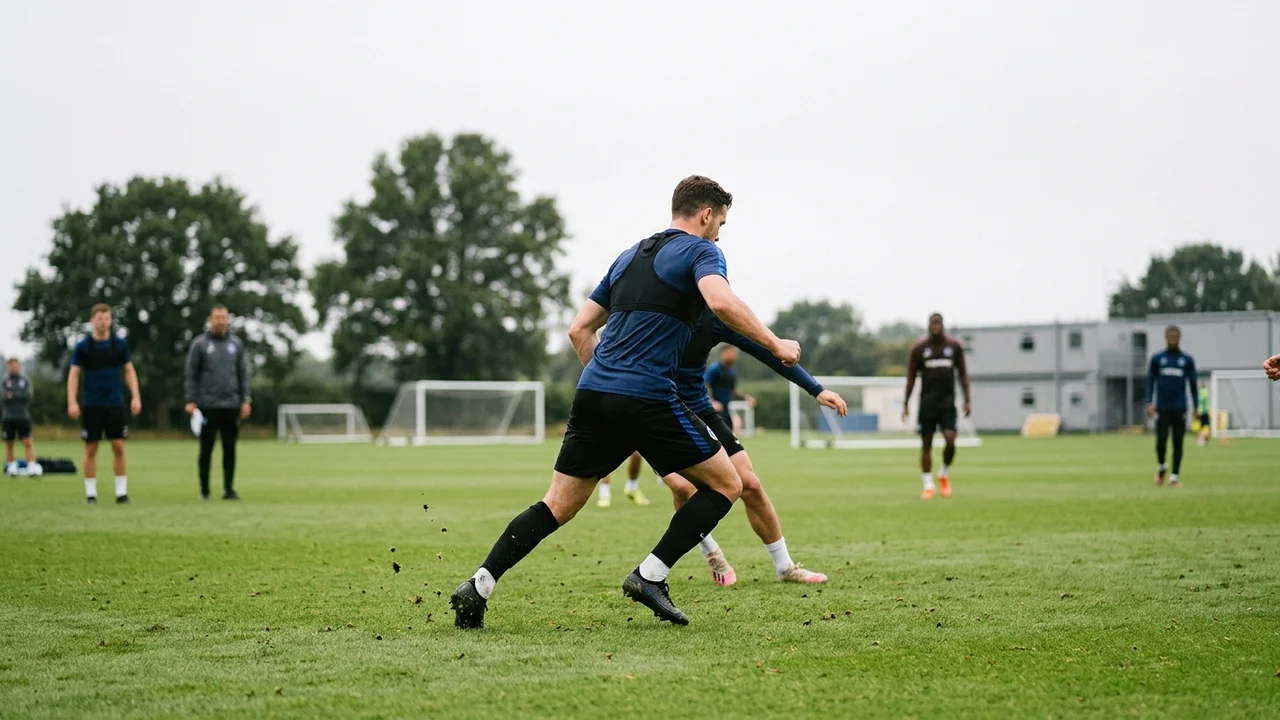
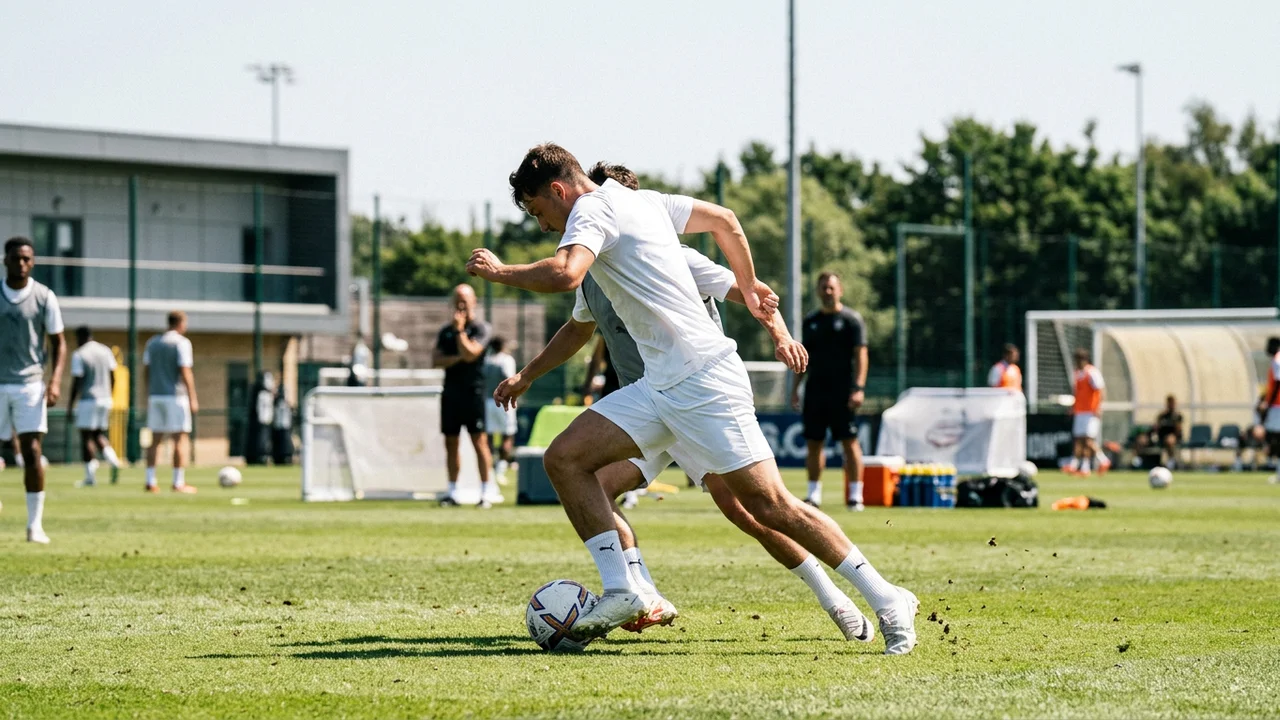
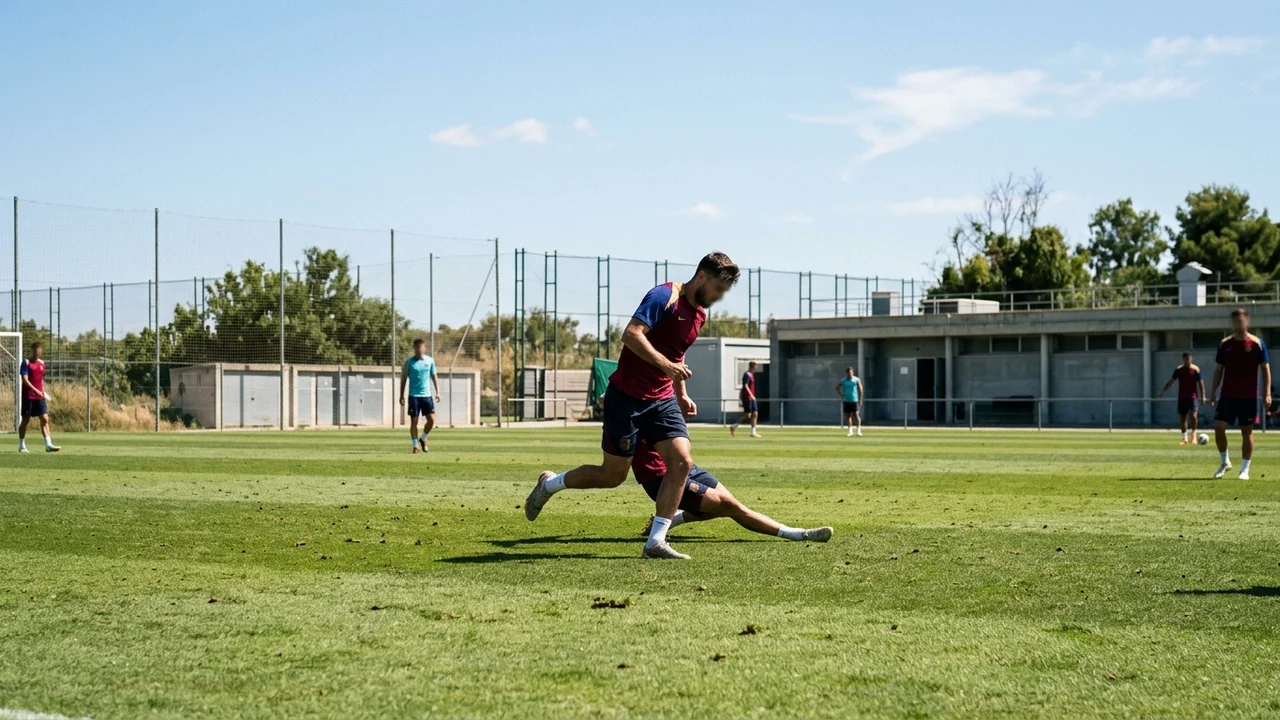
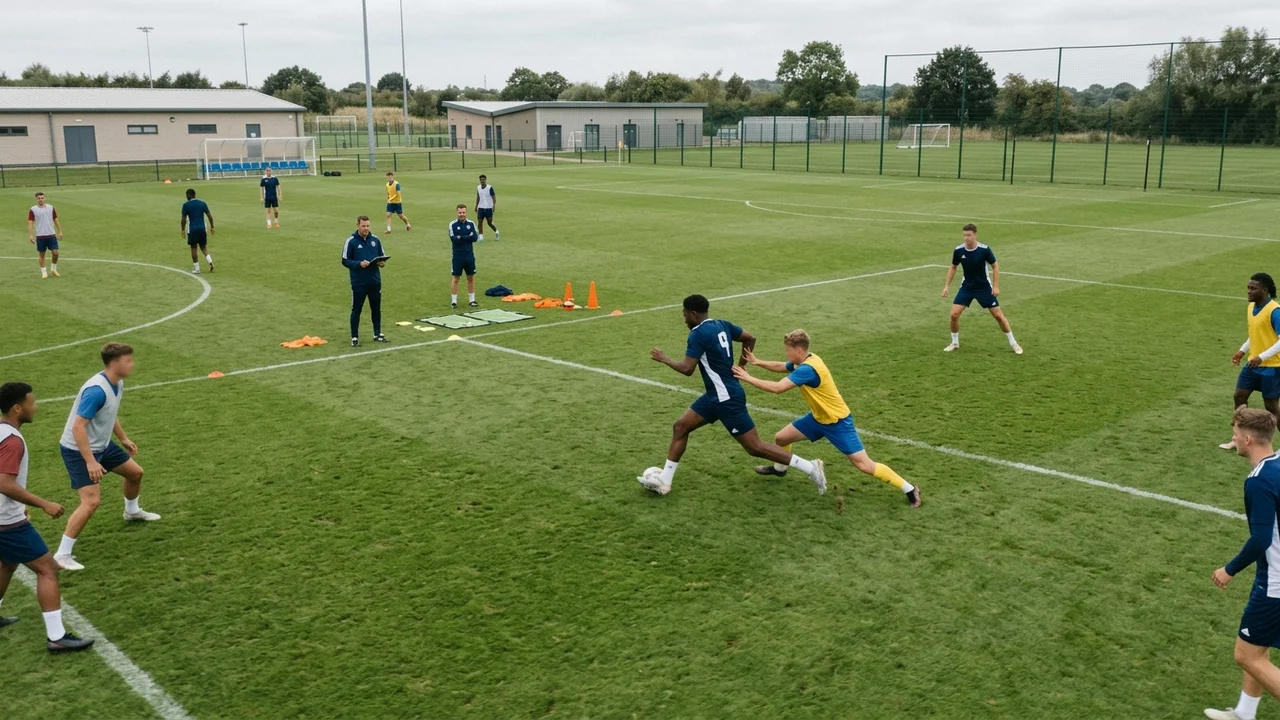
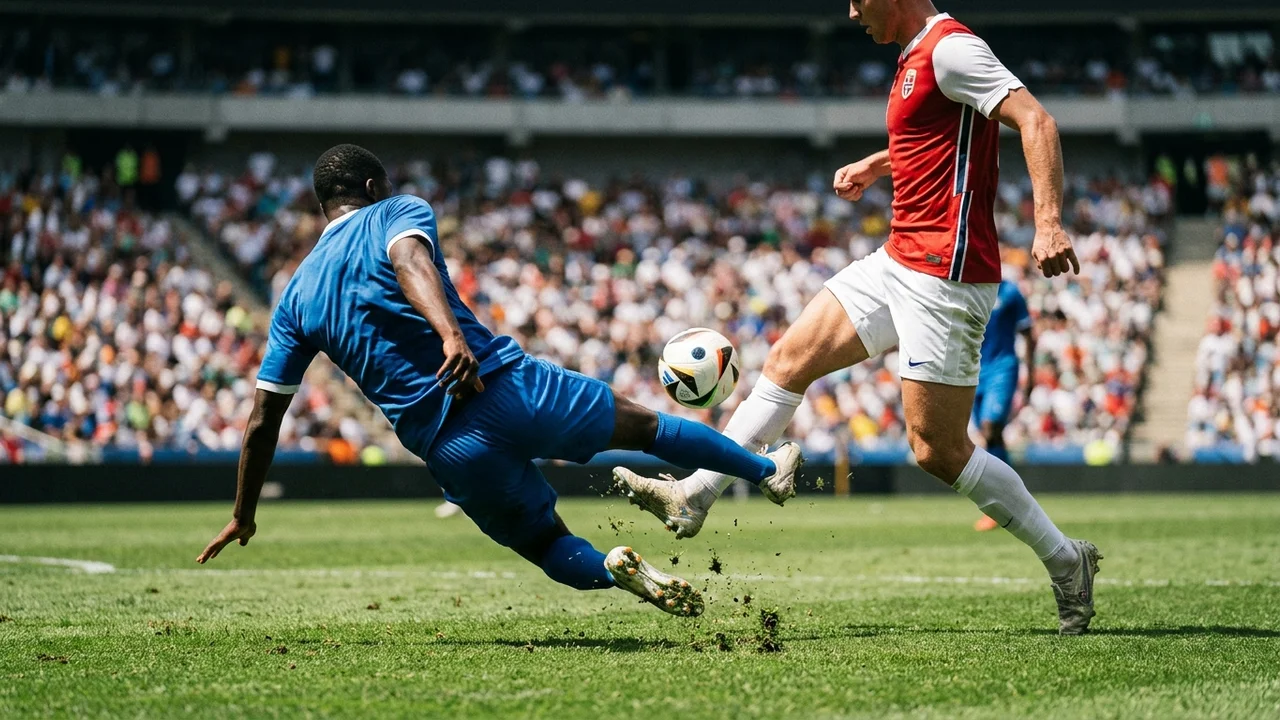
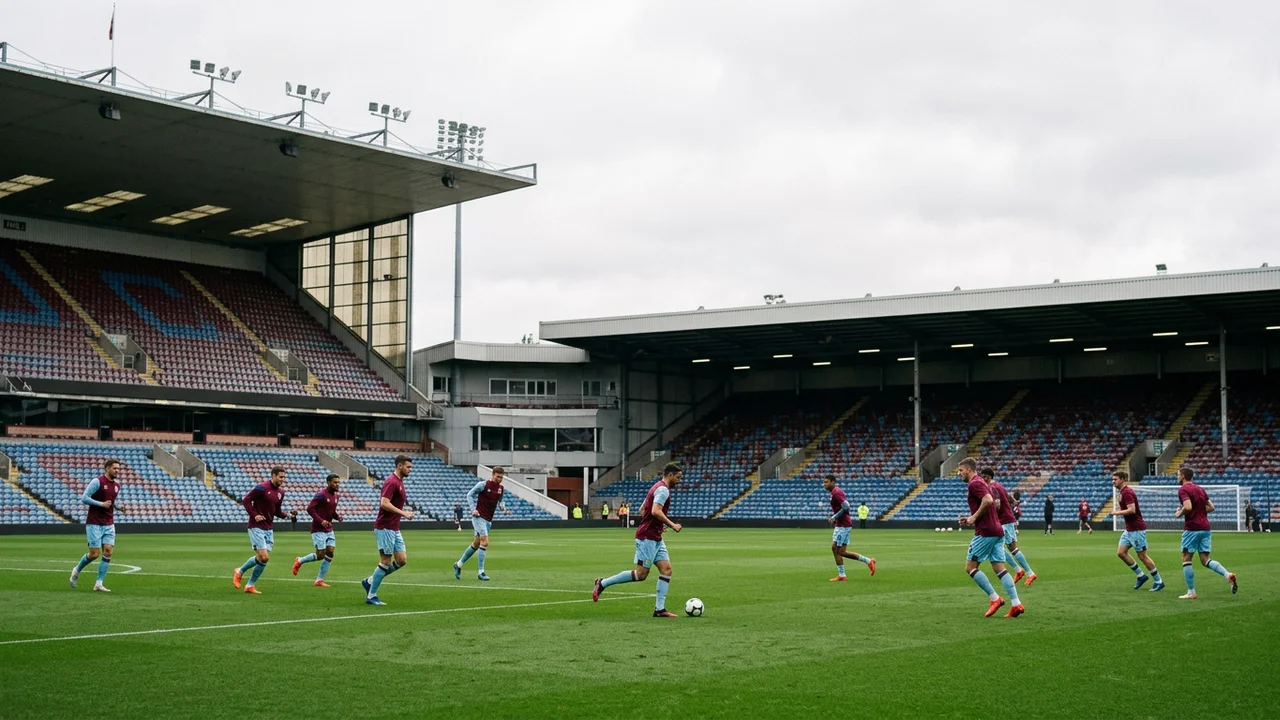
As the clock ticks down to December 26, 2025, the qualification pressure in both the UEFA Champions League and AFCON 2025 Group Stage reaches fever pitch. Teams across Europe and Africa find themselves at critical junctures where decisions made on and off the pitch will determine their fate in advancing to the knockout stage. Navigating this high-stakes environment demands not only tactical prowess and physical preparedness but also psychological resilience under intense scrutiny and expectations. The turbulent interplay between historical legacies, emerging talents, scheduling complexities, and strategic execution shapes this thrilling phase of football’s most prestigious competitions.
In this electric atmosphere, the stakes could not be higher. European clubs maneuver through the revamped Champions League format, a 36-team league round where traditional group concepts have given way to a more fluid and demanding competition structure. Every performance on matchdays directly impacts the tight race for the Round of 16, with teams in the 9th to 24th places facing additional playoff obstacles. Meanwhile, African teams at AFCON 2025 harness their passion and grit on Moroccan soil, balancing tactical innovation with the emotional weight of national pride and festival-season pressures to secure coveted knockout berths. This convergence of football intensity offers a compelling window into what it takes to rise amid relentless pressure and rapid shifts in fortune.
Understanding what teams must do to seize advancement opportunities involves unpacking their strategic adaptations, individual and collective performances, and psychological composure as December 26 looms. From managing squad rotation to maximizing goal difference, every facet is critical in this breathtaking stage of competition.
Decoding the UEFA Champions League 2025-26 Qualification Pressure: Strategies Clubs Must Employ to Secure Knockout Spots
The 2025-26 UEFA Champions League continues to captivate fans worldwide, but the road to the knockout stage has transformed dramatically with the introduction of the streamlined 36-team league phase. Unlike previous seasons, the conventional groups of four have been replaced by this single-league model, where each club plays 10 matches against assigned opponents. The top 8 teams after Matchday 8 secure direct passage to the round of 16, while those ranked 9th to 24th face a gruelling knockout playoff round for survival.
Qualification pressure mounts as clubs like Celtic, Rangers, Benfica, and Fenerbahce fight fiercely in the playoff rounds to join the league phase, while established giants like Paris Saint-Germain and Bayern Munich eyes the upper bracket. This evolving format necessitates fresh strategic approaches in squad rotation, tactical flexibility, and psychological management.
Strategic Planning Amid the Gruelling League Format
In this new system, consistency across ten high-intensity matches becomes paramount. Teams must balance attacking ambition with defensive solidity to avoid costly slips that can derail qualification dreams. Coaches like Pep Guardiola have emphasized maintaining performance under relentless pressure by rotating players to manage fatigue while sustaining a high tempo.
For clubs outside the elite cohort, the playoff round represents a minefield. The margin for error narrows as one miscalculated strategy or minor injury can derail months of preparation. This phase sees teams oscillate between cautious pragmatism and bold opportunism, depending on their position and opponent strength. For example, Club Brugge’s emphatic 6-0 demolition of Rangers in the playoff second leg demonstrated that capitalizing on opportunities can decisively sway fortunes in qualification battles.
Managing Psychological Pressure and Momentum
A critical but often overlooked element is managing the mental fortitude of players facing increasing scrutiny during the qualification crunch. Elevated expectations compound pressure, especially for clubs whose domestic success places added weight on Champions League performance.
Building momentum becomes essential. Throughout the qualification rounds, teams shown to maintain a stable locker-room atmosphere and unwavering confidence often outlast rivals bogged down by anxiety. Similarly, data from the league’s mid-phase reveals that goal difference and the ability to recover quickly from setbacks differentiate contenders who thrive versus those who falter.
Examples of Tactical Adaptations Under Pressure
- High pressing systems: Employed by teams like Bodo/Glimt to disrupt opponents’ buildup play early and leverage quick counters.
- Flexible formations: Mid-season tactical recalibrations, such as the swap between 4-3-3 and 3-5-2, help teams adapt to varied opposition styles, maximizing points accumulation.
- Utilizing set-piece efficiency: Precision in dead-ball situations has proven decisive in early qualifiers, especially for underdogs aiming to extract favorable results.
As December 26 nears, the pressure intensifies for European clubs. Their strategies must not only emphasize qualification but also prepare for the tactical sophistication of the upcoming knockout rounds, where each mistake or moment of brilliance could define a campaign’s legacy. Comprehensive coverage of the African influence on the Champions League highlights the evolving role of African players and teams in European club successes, further enriching the competition’s narrative.

AFCON 2025 Group Stage: Navigating Qualification Pressure with Tactical Acumen and Team Resilience
The AFCON 2025 Group Stage ignites on December 22, throwing 24 teams into a cauldron of intense competition across six groups in Morocco. This phase marks a critical point where every match impacts the trajectory toward the knockout rounds. The format has expanded to allow the top two teams from each group plus the best four third-place finishers to advance, injecting a layered complexity into qualification odds and strategic planning.
Host nation Morocco, undefeated in qualifiers, enters with a confident squad blending veteran leadership and youthful exuberance. With matches spread across multiple Moroccan cities, teams face varying stadium atmospheres, travel logistics, and weather conditions, all influencing their preparation and performance. For Morocco, the opening fixture against Comoros at the Prince Moulay Abdellah Stadium in Rabat symbolizes more than just a match — it signals the nation’s opportunity to finally grab the elusive AFCON trophy amid roaring home support.
Group A: A Tactical Battle of Contrasting Styles
Within Group A, where Morocco, Mali, Zambia, and Comoros clash, the diversity of playing styles—structured pressing versus counterattacking dynamism—creates a compelling tactical chessboard for coaches and players alike.
Morocco’s strategy hinges on disciplined pressing and swift transitions, amplified by home advantage. Their ability to manage game tempo while exploiting individual talent like Achraf Hakimi and Sofiane Boufal is central to their quest for qualification and beyond.
Mali employs a more physical approach with a focus on midfield dominance, while Zambia leverages the pace of forwards such as Patson Daka to unsettle defenses. Comoros draws strength from resilience and opportunism, aiming to make an impact despite being considered underdogs.
Qualification Pressure and Performance Metrics
The pressure on these teams is intensified by the tournament schedule during the festive season, requiring meticulous fitness and mental management. Goal difference, points, and head-to-head records become fundamental in the battle for advancement, prompting coaches to adopt calculated risk-taking and substitutions to preserve player condition.
The following table summarizes key group contenders’ readiness and prospects:
| Team | Recent Form | Key Players | Group Stage Outlook |
|---|---|---|---|
| Morocco | Undefeated in qualifiers | Achraf Hakimi, Sofiane Boufal | Strong favorites supported by home crowd |
| Mali | Consistent AFCON performers | Amadou Haidara, Moussa Djenepo | Physical dark horse with tactical discipline |
| Zambia | 2012 Champions | Patson Daka, Enock Mwepu | Fast-paced attackers with experience |
| Comoros | Last 16 in 2022 | Youssouf M’Changama, El Fardou Ben Nabouhane | Resilient underdogs aiming for upsets |
This group exemplifies how teams must adapt their tactics and manage expectations to convert group stage pressure into sustained momentum for the knockout stage. Fans seeking an in-depth preview will find essential insights in detailed analyses of the AFCON 2025 group matchups.
Psychological and Physical Elements Influencing Teams Facing Knockout Stage Qualification Pressure
While tactics and talent are cornerstones, the psychological and physical endurance of teams in high-pressure qualification environments shape ultimate outcomes. Both Champions League and AFCON participants face intense scheduling, media scrutiny, and the emotional roller-coaster of fans’ expectations that test resolve and adaptability.
The Mental Game: Confidence, Pressure, and Focus
Players and coaches alike must cultivate mental toughness. The volatile nature of football means that teams underperforming early must exhibit resilience, while front-runners need to maintain composure to avoid complacency. Key psychological challenges include managing the stress of must-win matches, coping with injuries, and adapting to unexpected game scenarios.
For instance, Benin’s striker Steve Mounié recently discussed the pressure borne by players from smaller footballing nations, reflecting the broader challenges faced by underdog teams as they push for advancement amid high expectations.
Physical Management During Festive Season Tournaments
AFCON 2025’s December schedule conflicts with traditional rest periods, forcing teams to optimize training loads, recovery protocols, and squad rotation strategies. Injuries and fatigue can sabotage a team’s qualification dreams; hence, updates on player fitness remain crucial. The latest injury reports offer critical information for understanding team prospects and potential lineup shifts influencing team dynamics.
Coaches are increasingly turning to sports science to navigate these challenges, employing data analytics for performance monitoring and individualized recovery plans. Success often hinges on who manages to keep their core players fit and mentally sharp during the gruelling qualification march.
Underdogs and Emerging Talents: Their Role and Requirements in Qualification Pressure Scenarios
Throughout qualification phases, lesser-known teams and breakout players challenge traditional hierarchies, injecting unpredictability and excitement into the battle for knockout stage spots. Teams like Zimbabwe and Comoros exemplify the hunger that football underdogs bring, blending determination with tactical discipline to unsettle favorites.
Emerging talents also define qualification narratives. Players recently spotlighted in feature profiles of AFCON hopefuls are often pivotal in qualifying campaigns. Their ability to deliver decisive moments under pressure can tip group dynamics and shape team trajectories.
- Underdogs must leverage resilience and exploit tactical agility to maximize qualification chances.
- Teams require a balance of experienced leadership and youthful exuberance to navigate fluctuating match demands effectively.
- Emerging stars’ contributions underline the importance of scouting and developmental pathways in modern football.
History shows numerous instances where such players have propelled their teams beyond expectations in qualification contexts, underscoring the sport’s compelling drama. This dynamic adds layers of intrigue as December 26’s looming deadlines draw teams toward high-pressure crossroads.
Watching these highlight compilations reveals how marginal gains in performance and moments of individual brilliance influence entire qualification campaigns.
Key Tactical and Strategic Must-Dos for Teams Eyeing Knockout Advancement on December 26, 2025
As the decisive date of December 26 approaches, teams must execute clear tactical and strategic priorities to manage qualification pressure and maximize their chances of becoming part of the knockout stage. These focal points emerge from patterns observed in successful clubs and national teams amidst the latest qualifying rounds and group stages:
- Maintain Tactical Flexibility: Adapt formations and in-game strategies dynamically based on opponent analysis and match situation.
- Optimize Squad Rotation: Preserve player fitness through conscious rotation to sustain performance levels across crucial games.
- Exploit Set-Pieces Effectively: Tailor training and match-day execution to convert corners and free-kicks into scoring opportunities.
- Enhance Mental Resilience: Foster team unity and psychological preparedness to handle setbacks and pressure moments.
- Leverage Home Advantage: When applicable, utilize crowd energy and familiar conditions to unsettle opponents and boost confidence.
- Manage Game Tempo: Control possession smartly, balancing defensive caution with necessary offensive impetus to secure vital points.
- Prioritize Goal Difference: Consider goal margins critically in qualification math, pushing to score more in winnable matches.
Such a checklist reflects the composite demands teams face in securing advancement on December 26 and beyond. For a comprehensive outlook on likely group stage outcomes and team momentum heading into these matches, the league table predictions and confidence and momentum analyses are invaluable resources.
How does the new UEFA Champions League format affect team qualification strategies?
The 36-team single league phase replaces traditional groups, requiring teams to sustain high performance over ten games, with the top eight qualifying directly and teams ranked 9-24 entering playoff rounds. This elevates the importance of consistency, rotation, and tactical adaptability.
What are key factors influencing AFCON 2025 group stage advancement?
Group stage advancement depends on a combination of points, goal difference, and head-to-head results, with the top two teams plus the four best third-place finishers advancing. Teams must balance tactical strategies, squad fitness, and mental endurance to succeed.
How do underdogs impact the qualification pressure dynamic?
Underdogs inject unpredictability by leveraging resilience, tactical discipline, and the emergence of breakout players, often influencing outcomes by upsetting traditional power structures and altering qualification scenarios.
Why is December 26 a critical date in these competitions?
December 26 represents a pivotal point in the Champions League league phase and AFCON group stage where qualification scenarios crystallize, making the matches around this date decisive for teams aiming to secure knockout stage berths.
How important is mental preparation amidst qualification pressure?
Mental readiness is crucial; teams that maintain focus, manage stress, and foster confidence generally outperform those succumbing to pressure, making psychological resilience key in high-stakes qualification matches.