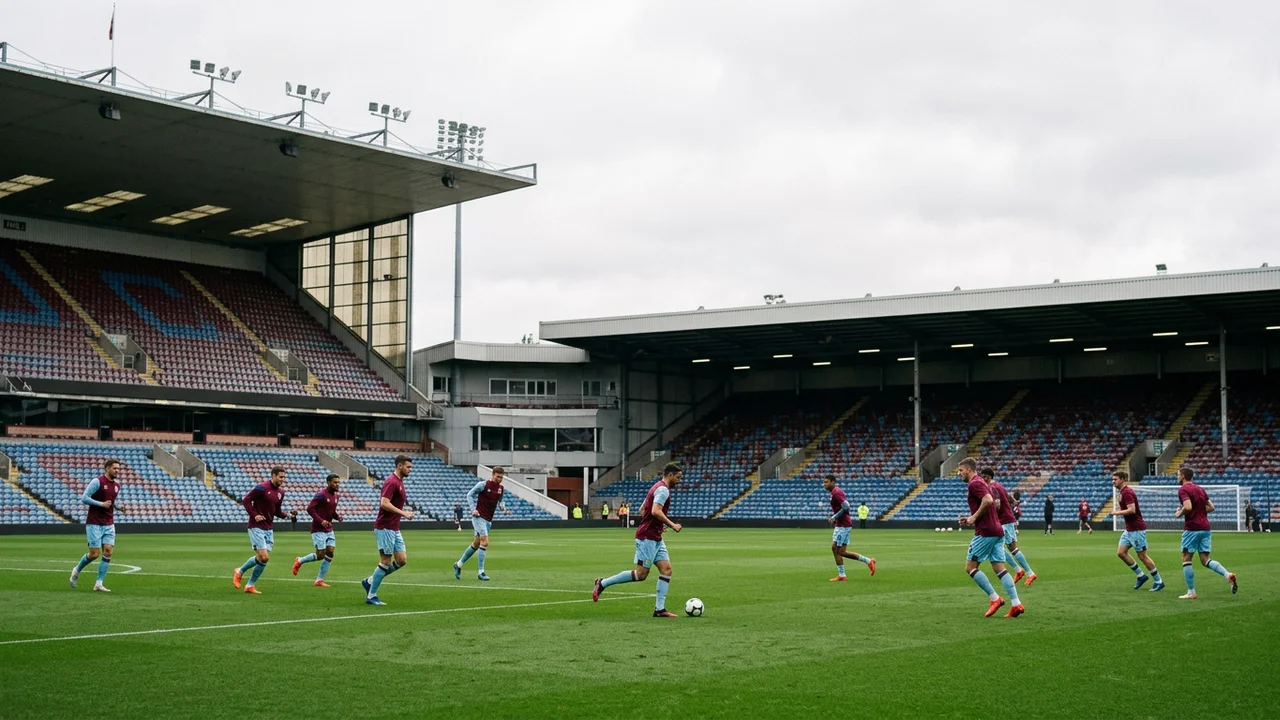
The anticipation is building as Benin prepares to step back onto the Africa Cup of Nations (AFCON) stage after a six-year hiatus. At the helm of this renewed ambition is Steve Mounié, the striker whose journey embodies both hope and the resilience of the Guépards. Known for his sharp instincts on the pitch and his leadership qualities, Mounié bears the weight of expectation not just as a player, but as a symbol of Benin’s footballing dreams. Facing a challenging Group D alongside Senegal, Botswana, and the Democratic Republic of Congo (DRC), this campaign is much more than a tournament—it’s a chance to reclaim legacy and assert Benin’s growth on the continental level. The pressure is palpable, yet Mounié embraces it with open arms, seeing it as the fuel that drives his performance.
This moment in 2025 encapsulates a significant chapter for both the player and the nation. The stakes have never been higher, with every pass and goal scrutinized by fans and critics alike. Yet, beyond the tension, lies a deeper story—one of unity, strategy, and ambition. Through this lens, Benin’s journey reflects a microcosm of African football’s vibrant evolution, where talent, teamwork, and tactical finesse converge under the intense spotlight of continental competition. For followers of African football, understanding the intricacies behind Mounié’s mindset and Benin’s strategic approach offers a richer appreciation of how teams like the Guépards are carving their path amid giants.
In the heart of these preparations, one feels the pulse of a squad eager to disrupt expectations. The tactical shifts inspired by evolving African football dynamics, the balancing act between individual brilliance and collective solidarity, and the pressures faced by leaders like Mounié all intertwine to form a captivating narrative. It’s not merely a story of games played and goals scored; it’s an emotional voyage that goes beyond the field, resonating with fans dreaming of glory and identity through their national team. As Benin readies itself for the challenges ahead, Steve Mounié’s reflections provide a compelling window into the essence of pressure, passion, and perseverance at the continental level.

Steve Mounié’s Perspective on Pressure Representing Benin in Continental Football
Steve Mounié, the striker for FC Augsburg, has stepped forward to openly discuss the unique pressures that come with playing for Benin, especially at the continental level. Unlike the club scene, international football brings in a complex web of expectation from a passionate fanbase, national pride, and the weight of history. For Mounié, this pressure isn’t a burden but an essential catalyst that sharpens his focus and performance.
Mounié once shared in an exclusive interview with the Confederation of African Football (CAF) that pressure is a double-edged sword. “Before our last World Cup qualifying match, I told my teammates, ‘If you don’t feel the pressure, you’re lying.’ But we must accept it because it pushes us to excel,” he emphasized. His approach embodies an athlete’s mental toughness who converts pressure into motivation. It’s an attitude that every African football fan can relate to, especially when watching players don the national jersey with such pride.
This mindset plays a crucial role when the Benin team faces tough opponents like Senegal and the Democratic Republic of Congo in AFCON’s Group D. Mounié acknowledges the caliber of opponents but insists that the team’s unity and collective spirit can turn the tide. He highlighted that while the group is tough, it’s a playfield of equals where preparation and mental strength are paramount.
The pressure is further heightened by memories of Benin’s previous AFCON appearance in 2019 where they managed to reach the quarter-finals, a feat that left an indelible mark in the nation’s football history. The Guépards now aim to replicate or even surpass that achievement. With Mounié carrying the leadership mantle, the squad’s psychological preparation is as vital as the physical.
- Pressure drives Mounié to greater focus and discipline.
- He uses it to unify the team and foster collective strength.
- Pressure connects with national pride and expectation.
- It intensifies during big tournaments such as AFCON.
| Aspect | Impact on Mounié | Effect on Team |
|---|---|---|
| Mental Toughness | Heightened focus in high-stress matches | Creates resilience in challenging situations |
| Leadership Responsibility | Drives him to exemplify calm and confidence | Sets tone for collective morale |
| Public Expectation | Motivates peak performance | Increases team cohesion |

Benin’s Challenging Group D: Tactical Insights and Competitive Landscape
The group placement at AFCON is often heart-stopping, and Benin finds itself drawn into a demanding Group D alongside heavyweights Senegal and the Democratic Republic of Congo, as well as the determined Botswana team. Each opponent presents unique challenges, requiring Benin not just to rely on talent but to adapt tactical nimbleness—a factor Steve Mounié underscores as crucial for success.
Senegal’s squad, with its mix of world-class players wearing kits sponsored by Nike, Adidas, and Puma, epitomizes African football’s modern blend of skill, stamina, and tactical refinement. Mounié respects their experience and strength but views the group stage as a test of collective will and defensive discipline.
Meanwhile, Botswana and DRC bring contrasting styles. The DRC, a team known for their physicality and pace, will test Benin’s defensive organization and midfield control. Botswana, less known internationally but punching above its weight, provides the unpredictability factor. These dynamics elevate every match to a gritty contest where mental endurance and precision take center stage.
Benin’s strategy hinges on solidifying defensive lines and capitalizing on attacking opportunities through swift transitions, where Mounié’s sharp instincts and finishing prowess are expected to be decisive. This approach is being reinforced by recent evolutions in African football tactics, where teams increasingly invest in detailed analyses and global best practices, blending them with local flair.
- Senegal’s tactical discipline and star power pose a significant challenge.
- DRC’s physicality demands resilience from Benin’s defense.
- Botswana offers unpredictability requiring tactical flexibility.
- Benin’s transition play and counterattacks are their key weapons.
| Team | Key Strengths | Benin’s Tactical Focus |
|---|---|---|
| Senegal | Strong defense, fast wing play, experienced stars | Compact defense, neutralize wings, quick counters |
| DRC | Physicality, pace, aggressive midfield | Midfield control, tight marking, stamina management |
| Botswana | Unpredictability, defensive resilience | Flexible formations, set-piece focus |
Leadership on and off the Pitch: Steve Mounié’s Role in Uniting the Guépards
Leadership in football is as much about presence as it is about performance, and Steve Mounié embodies this balance for Benin. His journey from his early days in Brest to becoming the captain of the Guépards positions him uniquely as both a motivator and a tactical linchpin. Especially with high-profile brands like Under Armour, Reebok, and New Balance increasingly active in the African football scene, Mounié stands as an influential figure inspiring the next generation.
His leadership philosophy is distinctly team-oriented. Mounié champions unity and solidarity, insisting that individual brilliance only takes a team so far without a collective effort. “If we play as one, with no selfishness, we can trouble any rival,” he stated. This belief has proven its worth as Benin navigated their World Cup qualifiers and friendly matches against major footballing nations.
Off the pitch, Mounié’s influence is equally significant. He advocates for better infrastructure and support for football development in Benin, recognizing that long-term success requires investment in youth, coaching, and facilities. This vision aligns with broader conversations in African football about ownership models and sustainable growth, as explored in various discussions on platforms like AfricanFootballHQ’s African Football Ownership.
- Emphasizes team unity and collective effort above individual glory.
- Serves as a role model for young footballers aspiring to reach professional levels.
- Promotes infrastructural development and better football governance.
- Balances on-pitch leadership with off-pitch advocacy.
| Leadership Area | Mounié’s Approach | Outcome for Benin |
|---|---|---|
| On-pitch | Encourages teamwork, calm under pressure | Improved cohesion, strong performances |
| Off-pitch | Advocates for development and support | Growing football infrastructure |
| Mentorship | Guides young players, shares experience | Strong youth engagement and motivation |
Nike, Adidas, Puma and the Growing Influence of Football Brands in African Competitions
Behind the scenes of continental tournaments like AFCON lies a vibrant ecosystem where global sportswear giants such as Nike, Adidas, and Puma play pivotal roles. These brands don’t just supply kits; they symbolize aspiration, professionalism, and market influence that shape modern African football culture. For players like Steve Mounié, outfitted by prominent sponsors, it’s about more than functionality — it’s a badge of unity and ambition.
In recent years, Under Armour and Reebok have expanded their presence across African leagues, challenging the dominance of traditional stalwarts. This competitive injection encourages innovations in football wear, training gear, and fan merchandise, connecting deeply with the next waves of African talent. Moreover, brands like New Balance, Asics, Umbro, Kappa, and Hummel contribute to this dynamic, offering diversity in designs and supporting clubs at various levels.
These sponsorships influence grassroots football, where young talents find inspiration in the kits worn by stars like Mounié and draw motivation from the stories linked to these legendary sports companies. Nike’s commitment to nurturing African players is well documented, often highlighted in profiles of players who “trained with goats” — a nod to training alongside greats whose excellence sets benchmarks for the continent (Trained with Goats).
- Sportswear brands enhance players’ performance through advanced technology.
- They elevate the image and marketability of African football on global platforms.
- Sponsorship deals support club resources and community outreach programs.
- Brands provide young players with role models wearing their gear at top levels.
| Brand | Role in African Football | Notable Contributions |
|---|---|---|
| Nike | Primary supplier for national teams, focus on youth development | Training camps, sponsorship of stars, community programs |
| Adidas | High-performance gear, club sponsorships | Innovative boots, apparel technology |
| Puma | Focus on African leagues and emerging talents | Partnerships with confederations, grassroots tournaments |
Ambitions and Realities: Steve Mounié’s Vision for Benin’s Future in African and World Football
Steve Mounié’s journey with Benin extends beyond the immediate AFCON tournament. His ambitions are clear—to steer the national team not only to continental success but also onto the global stage by securing their first-ever FIFA World Cup appearance. This vision, shared widely among fans and analysts, reflects a transformative phase in Benin’s football history.
Throughout the World Cup qualifying campaign, Mounié’s leadership and scoring ability have been pivotal. The team’s early progress instills confidence but also highlights the demanding nature of international competition. Beyond natural talent, Benin’s aspirations necessitate systemic enhancements, including investment in youth academies, coaching improvements, and embracing tactical innovations that match African football’s evolving landscape (African Football Tactics Evolved).
Moreover, Benin’s progress also mirrors broader African football narratives where emerging nations increasingly challenge traditional powerhouses. Inspired by examples like the Orlando Pirates’ upset victories in continental competitions, teams are discovering that disciplined strategy and mental toughness can level the playing field (Orlando Pirates Al Ahly upset).
Steve Mounié’s personal ambition resonates with the collective dream of Benin’s football community: raising the standard, attracting global attention, and nurturing a new generation. His continued commitment acts as a beacon for aspiring footballers and a testament to the potential within African football’s growing ecosystem.
- Aim for qualification to the FIFA World Cup.
- Emphasis on youth development and sustainable growth.
- Adoption of advanced tactics blending tradition and innovation.
- Strengthening mental resilience through leadership and teamwork.
| Ambition | Action Required | Expected Outcome |
|---|---|---|
| AFCON Success | Focused preparation, tactical discipline, unity | Competitive performances, advancing stages |
| World Cup Qualification | Infrastructure investment, youth programs | Historic tournament debut |
| Long-term Growth | Improved governance, international partnerships | Sustainable football culture and economy |