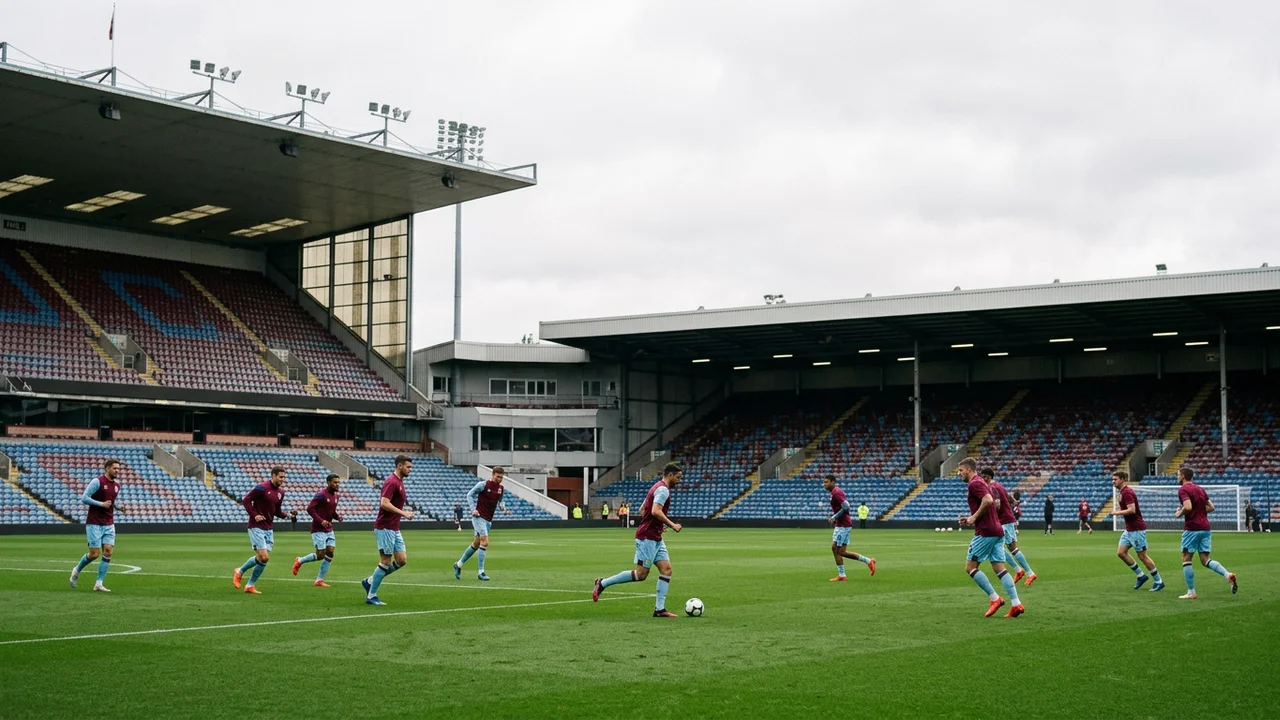
The delay in ticket sales for the highly anticipated Africa Cup of Nations (AFCON) 2025 in Morocco has sent ripples through the football community, sparking mixed emotions from excitement to frustration. Originally set to kick off on September 25th, the rollout was abruptly halted by a technical failure on the official CAF platform, leaving thousands of eager fans locked out. The Confederation Africaine de Football (CAF) swiftly announced the postponement, citing the need to refine logistical details to guarantee a seamless and enjoyable experience for everyone involved. This move highlights the immense challenges of coordinating a continent-wide event supported by global giants like Visa, Nike, Puma, Adidas, Coca-Cola, MTN, Orange, and StarTimes. While the setback has disappointed many, it also opens up a conversation on the evolving dynamics of African football fandom, digital ticketing infrastructure, and the high stakes for organizers aiming to deliver a world-class tournament atmosphere. Understanding what this delay means offers a glimpse into the complex tapestry woven by fans’ passion, commercial interests, and the strategic ambitions of African football’s governing bodies.

Understanding the CAF Ticket Sales Delay: Technical Challenges and Organizational Implications
The initial ticket presale for AFCON 2025 was designed to be an exclusive launch for Visa cardholders, offering an early window to secure coveted seats for one of Africa’s grandest football spectacles. However, this high demand overwhelmed CAF’s online ticketing system, crashing the platform just moments after going live. Fans faced error messages indicating tickets were temporarily unavailable, which only heightened frustration, tapping into a shared concern about infrastructure readiness for major sporting events on the continent.
Behind the scenes, CAF and the Local Organizing Committee (LOC) have been working to address these technical glitches, emphasizing that the delay prioritizes the quality of fan experience over rushed operations. The coordination involves multiple stakeholders including payment providers like Visa and major sponsors such as Nike and Adidas — all aiming to craft a ticketing process that is secure, efficient, and accessible across Africa’s diverse telecom environments dominated by players like MTN and Orange.
This hiccup underscores the complex nature of organizing a tournament of this magnitude, where a single technical failure can ripple into widespread dissatisfaction. The delay allows CAF to recalibrate, test enhanced system capacities, and integrate feedback without jeopardizing the tournament’s broader goals. It is a vivid illustration of how digital readiness is increasingly pivotal in African football’s evolving landscape.
- High initial ticket demand caused platform crash
- CAF partners closely with LOC and sponsors to resolve issues
- Delay aimed at ensuring fair and smooth ticket distribution
- Technical improvements to accommodate continent-wide access
- Balancing commercial stakeholders’ expectations with fan satisfaction
| Stakeholders | Role in Ticket Sales |
|---|---|
| CAF | Governance and oversight |
| Local Organizing Committee (LOC) | On-ground logistics and coordination |
| Visa | Exclusive early ticket purchase access and secure payments |
| Nike, Adidas, Puma | Sponsors leveraging brand presence |
| MTN, Orange | Telecom infrastructure and customer access support |
| Coca-Cola, StarTimes | Event sponsorship and broadcast rights |
Impact on Fans: Emotional and Logistical Challenges in Accessing AFCON 2025
For fans across Africa, the delay is more than just an inconvenience; it touches upon deep emotional connections and expectations. African football supporters often see the Africa Cup of Nations as a cultural festival — a moment that transcends sport, weaving community pride and national identity into a vibrant tapestry of passion. Missing out or confronting hurdles in acquiring tickets risks dampening that fervor.
The chaotic ticket sale launch amplified anxieties for many who feared losing out as the stadiums promise to be packed with legendary talents and rising stars, drawing influences from legendary matchups like the Egypt-Morocco rivalry or rising underdog narratives that redefine the continental power balance. Fans are now waiting for clearer communication and transparent solutions after the platform crash, relying on updates that will enable fair access and robust security against scalpers.
Logistical challenges also come to the forefront. Traveling to Morocco involves significant planning: securing flights, accommodations, and local transport, often with limited budgets. Such a delay compresses timelines and may restrict options, particularly for fans traveling from remote regions. Moreover, the prestige of partnering brands like Puma and Coca-Cola add layers of excitement but also higher expectations for smooth event execution — increases the pressure on organizing teams to redeem the ticketing fiasco.
- Emotional attachment raises stakes beyond ticketing
- Disrupted plans for travel and lodging
- Concerns around scalping and ticket fraud grow
- Expectations linked to iconic African football rivalries
- Fans seek clarity and improved communication from CAF
| Fan Concern | Potential Impact |
|---|---|
| Ticket access difficulty | Increased frustration and dissatisfaction |
| Shortened preparation window | Higher travel and accommodation costs |
| Lack of communication | Trust erosion towards CAF and LOC |
| Scalping fears | Increased risk of fake ticket circulation |
| Event hype loss | Reduced fan engagement and global interest |
How Organizers are Adjusting Strategies Postponement and Fan Engagement
The postponement forces CAF and the Local Organizing Committee to re-examine their ticketing strategies. Leveraging technology and insights from recent global sporting events, the organizing team is working on refining digital infrastructure and addressing scalability issues. Collaboration with Visa to streamline the payment gateway is pivotal, ensuring smooth transactions capable of handling surges in demand.
Furthermore, nurturing constructive fan engagement is becoming a priority. CAF aims to rebuild trust by offering timely, transparent updates and ensuring a fair queue system once sales resume. The presence of major sponsors like Nike and Adidas not only brings in essential financial resources but also marketing muscle that can be harnessed to manage fan expectations more effectively across platforms like MTN and Orange networks.
Other tactical adjustments include exploring hybrid ticketing approaches, combining online sales with localized physical outlets in Morocco and African major cities to diversify access points. Some ideas involve pre-registration phases, loyalty programs, or tiered pricing to manage demand and widen participation. Such strategies could become a precedent for future AFCON editions and other African football leagues, reflecting the continent’s burgeoning football culture.
- Reinforcing digital ticketing with robust technology
- Enhancing partnership roles with Visa, MTN, and Orange
- Introducing hybrid ticketing models combining physical and online sales
- Boosting fan communication and engagement platforms
- Utilizing sponsor networks for marketing and operational support
| Strategic Adjustment | Purpose |
|---|---|
| Payment gateway optimization with Visa | Handle high demand and secure transactions |
| Hybrid ticket sales points | Expand access and reduce online pressure |
| Transparent communication | Restore trust and manage fan expectations |
| Loyalty and pre-registration | Controlled demand and fan retention |
| Leveraging sponsor brands | Enhance marketing reach and support logistics |
The Broader Picture: What the Delay Reveals About African Football’s Digital and Commercial Growth
The halt in sales is emblematic of a broader transitional phase for African football as it embraces digital modernization and commercial expansion. For years, the Africa Cup of Nations has been a showcase of the continent’s immense football talent and growing fanbase. Yet, the shift toward online ticketing and integrated marketing with global brands reveals both progress and growing pains.
CAF’s reliance on industry giants like Coca-Cola, StarTimes, and telecom leaders MTN and Orange highlights a push towards professionalizing event management and fan experience. This ecosystem supports not just the tournament but the rising African club scene and international exposure through events like the Club World Cup. However, infrastructure gaps exposed in the recent ticket sales reveal work still to be done.
Fan interest in African football continues to skyrocket, driven by the exploits of legendary players and emerging stars, as well as tactical evolutions in how the game is played and consumed worldwide. Articles on performance and football culture such as African football tactics or the underdog success stories like in AFCON 2023 contribute to a rich narrative that deepens fan engagement. Yet, this heightened enthusiasm means infrastructure and support systems must catch up quickly to avoid alienating a sophisticated and passionate audience.
- Digital modernization challenges in ticket sales
- Integration with global sponsors and telecom networks
- Growing fan base demanding improved service
- Increased commercialism and professionalization in African football
- Need for sustained investment in infrastructure and technology
| Area | Current Status | Needed Improvements |
|---|---|---|
| Ticketing Systems | Functional but fragile under peak loads | Scalable, reliable platforms |
| Fan Communication | Basic updates, some delays | Transparent and real-time info |
| Commercial Partnerships | Strong with Visa, Nike, Puma, Adidas | More integrated marketing campaigns |
| Infrastructure | Varies by region | Unified digital coverage and access |
| Event Experience | High enthusiasm | Streamlined entry and services |
Looking Ahead: Preparation and Opportunity for AFCON 2025 Fans and African Football

While the delay might initially feel like a setback, it also serves as a critical inflection point for CAF and its partners to deliver an upgraded platform and enhanced fan experiences. Lessons from this hiccup will shape future ticket sale protocols, impacting the entire ecosystem surrounding African football, from clubs to broadcasters and fans.
For supporters, patience may be tested, but the excitement surrounding AFCON 2025 remains undiminished. Taking inspiration from emerging African stars like Mohamed Salah and Aubameyang, and the new football generation in countries like South Africa, the tournament promises to be a celebration of talent and cultural unity. Fans have a chance to witness legendary rivalries evolve and underdog nations rise, as documented in resources such as the rivalry between Egypt and Morocco and the rise of new contenders described in the Zambia vs Ivory Coast preview.
Organizers are encouraged to keep communication channels open and innovate ticketing solutions that consider affordability, accessibility, and fairness. These improvements not only protect the integrity of the event but reflect African football’s broader ambitions — expanding reach, enhancing fan culture, and solidifying its place on the global stage alongside the powerhouses of the game.
- Revised ticketing system rollout expected soon
- More inclusive and secure access plans
- Enhanced fan engagement initiatives by CAF and sponsors
- Strengthened relationships between African football stakeholders
- Opportunity for lasting legacy beyond the 2025 tournament
| Focus Area | Expected Developments |
|---|---|
| Ticket Sales | Stable, scalable platform release |
| Fan Access | Wider availability, including offline options |
| Marketing & Sponsorships | Deeper integration with Visa, Nike, Coca-Cola |
| Event Quality | Improved services leveraging Puma and Adidas partnership |
| Fan Experience | Innovative engagement tools and communication |