In the unforgiving battleground of Group G qualifiers, where passion meets precision, every opportunity demands ruthless efficiency. Corners, often overlooked or taken for granted, have emerged as secret weapons—small moments packed with potential to tilt the scales. With teams like Algeria, Mozambique, Uganda, and Botswana locked in fierce competition, understanding corner conversion metrics is no longer a luxury but a necessity for those craving advancement to the next stage. These metrics reveal much more than mere chances created; they embody tactical wisdom, player technicality, and even psychological warfare under pressure.
Behind the scenes, cutting-edge analytics, once confined to American sports arenas, now dissect every swivel and sprint on the African pitches. Adidas, Nike, Puma, and other giants provide the gear, yet it’s the numbers that are reshaping game plans and rethinking corner strategies. By peeling back layers of probability and execution, fans and analysts alike witness how Set Pieces can evolve from hopeful swings into methodical, almost surgical strikes—measured by the all-important corner conversion rate. Here’s everything fans, coaches, and budding tacticians must grasp to truly appreciate the subtleties driving Group G’s relentless quest for football glory.

Understanding the Core of Corner Conversion Metrics in Group G Qualifiers
Corners have always been a double-edged sword in football’s grand chessboard. They offer moments loaded with danger and opportunity but also carry immense risk if poorly executed. In the fiery clashes of Group G qualifiers, where every goal weighs heavily toward qualification hopes, teams strive to optimize these scenarios. Corner conversion metrics capture how efficiently a team transforms these chances into goals or solid scoring opportunities, serving as revealing indicators of tactical sharpness and individual quality.
At their core, corner conversion metrics quantify the ratio of goals or high-quality chances scored from corner kicks against the total number of corners taken. But this simple definition barely scratches the surface. Consider a team like Cameroon, entering their corner delivery zones clad in Puma kits, blending raw talent with disciplined strategy. Success depends not only on the number of corners won but also the targeting of key players, the quality of service, the timing of runs, and even the state of play influencing the opposition’s defensive shape.
The analytics behind these metrics dissect corners into:
- Delivery quality: The accuracy, trajectory, and pace of the ball into the box.
- Target area: Whether the ball is aimed toward near post, far post, or penalty spot zones.
- Defensive response: The organization of the defending team—number of defenders, goalkeeper positioning, marking techniques.
- Player positioning and movement: Offensive players’ ability to exploit space, lose markers, and time jumps.
Only when these elements synchronize can a corner kick be considered truly threatening. Group G qualifiers feature a blend of physicality and flair, seen in Ugandan or Mozambican players draped in Under Armour or New Balance gear, making the battle in set pieces even more unpredictable. In 2025, the integration of advanced metrics means coaches can measure which corner setups yield the highest expected goals (xG), allowing them to fine-tune accordingly.
Key Elements That Shape Corner Kick Outcomes
Not every corner is created equal. Different scenarios require distinct analytical lenses. Here’s a deeper look at the primary factors driving corner kick effectiveness in Group G:
- Delivery style: Floating crosses offer improved timing for headers; driven balls create chances for quick volleys.
- Player roles: Who’s marking whom? Are aerial specialists (often clad in classic Reebok or Mizuno boots) positioned strategically for headers?
- Set-piece rehearsals: Frequent training on rehearsed routines, involving players like those wearing Asics or Umbro gear, sharpens timing and movement.
- Opposition weaknesses: Real-time analytics identify defenders’ vulnerabilities during corners, influencing choices like short versus long deliveries.
- Psychological pressure: The form and confidence of delivering player and attackers dictate execution under the immense qualification pressure.
| Metric | Description | Impact on Group G Teams |
|---|---|---|
| Corner Conversion Rate | Percentage of corners resulting in goals or shots on target | Tracks efficiency in turning corners into scoring opportunities, essential in tight Group G matches |
| Expected Goals from Corners (xG Corners) | Probability of scoring from a corner based on quality and context | Adjusts tactics by identifying which corner scenarios produce higher scoring likelihoods |
| Delivery Accuracy | Precision of ball placement in desired zone | Tactical foundation for successful set pieces, especially relevant for teams leveraging ball flight in Group G qualifiers |
| Defensive Clearance Rate | Percentage of opponent’s clearances preventing shots from corners | Highlights defensive vulnerabilities; useful for analyzing opponent teams like Serbia or Guinea in the group |

How Expected Goals (xG) Amplify the Understanding of Corner Effectiveness in Group G
The revolution of football analytics in 2025 would be incomplete without a focus on Expected Goals (xG). This metric transcends simplistic goal counts, offering a nuanced lens on shots based on the likelihood of scoring given situational variables. Within Group G qualifiers, xG related to corner kicks has become a critical tool for coaches and fans striving to grasp the invisible threads pulling results.
xG from corners estimates the probability of scoring from that exact moment. Factors influencing this probability include the shot’s location within the box, pressure from defenders, goalkeeper positioning, delivery type, and even the phase leading up to the corner. Rather than retrospective goal tally, xG projects expected scoring based on the quality of chances created.
Take, for example, a perfect corner whipped in with surgical precision to reach a towering header from a New Balance-clad striker. An average conversion rate might show 5% success in such headers, but xG may reveal fluctuations based on opposition setup, matching conditions, or player form. Coaches use these numbers to adjust the corner taker’s technique—sometimes preferring a subtle near-post delivery over a far-post trajectory depending on what promises greater returns statistically.
Understanding xG allows teams in Group G to dissect not just the corner but the entire set-piece ecosystem, from delivery to shot execution. Detailed databases incorporating Adidas or Umbro-wearing defenders’ tendencies assist in tailoring custom game plans that exploit weaknesses while fortifying one’s own corners.
Why Teams in Group G Utilize xG to Elevate Their Corner Play Strategies
- Refine corner type selection: Data shows which kinds of corners (short, outswing, inswing) yield more expected goals.
- Identify key aerial threats: Players with high xG ratings for headers receive more targeted service.
- Measure risk-reward balance: Defensive vulnerabilities exposed by opponents’ clearances prompt tactical alterations.
- Track player performance: xG offers insight to coaching staff on which attackers maximize set-piece chances.
- Innovate training drills: Specific simulation of corner delivery and attacking runs informed by xG data.
| Aspect | Implication | Practical Use in Group G |
|---|---|---|
| Corner Type & Delivery | Different corner deliveries have distinct xG values | Helps teams like Algeria choose best corner variants to outwit Guinea’s defense |
| Player Positioning | Utilizing players with higher xG heading probabilities | Serbia targets specific zones to boost goal chances from corners |
| Opponent Weakness Identification | Spot tactical gaps in opponent clearance or marking | Mozambique adjusts set pieces dynamically based on real-time xG feedback |
| Performance Tracking | Measure success rate per corner taker or finisher across qualifiers | Uganda refines its squad selections and training focus accordingly |
The Tactical Evolution of Corner Strategies in African Group G Qualifiers
Gone are the days when corners were merely hopeful lofted balls into a crowded box. The 2025 Group G qualifiers witness a tactical evolution powered by data-driven insight. Teams now deploy calibrated routines manufactured through a complex interplay of player roles, biomechanical analysis, and real-time opposition study.
For instance, teams outfitted in Mizuno or Kappa kits integrate video analytics combined with xG metrics to choreograph elaborate corner routines. These include decoy runs, near-post flick-ons, and zonal versus man-marking hybrid defensive exploitation. Coaches emphasize creating “high probability lanes” in the penalty area, sometimes varying corner delivery between outswingers and inswingers multiple times within the same match to confuse defenders.
The influence of global brands such as Reebok or Under Armour is more than superficial. Their advanced footwear technologies and customized gear contribute not just comfort but enhanced jumping, stamina, and control—key elements enabling effective corner execution under pressure.
This fusion of technology, analytics, and tactical discipline elevates the spectacle and stakes of set pieces, bringing the often-underrated corners into the spotlight of football drama.
- Warming up for corners with data: Teams track historical corner success rates against opponents.
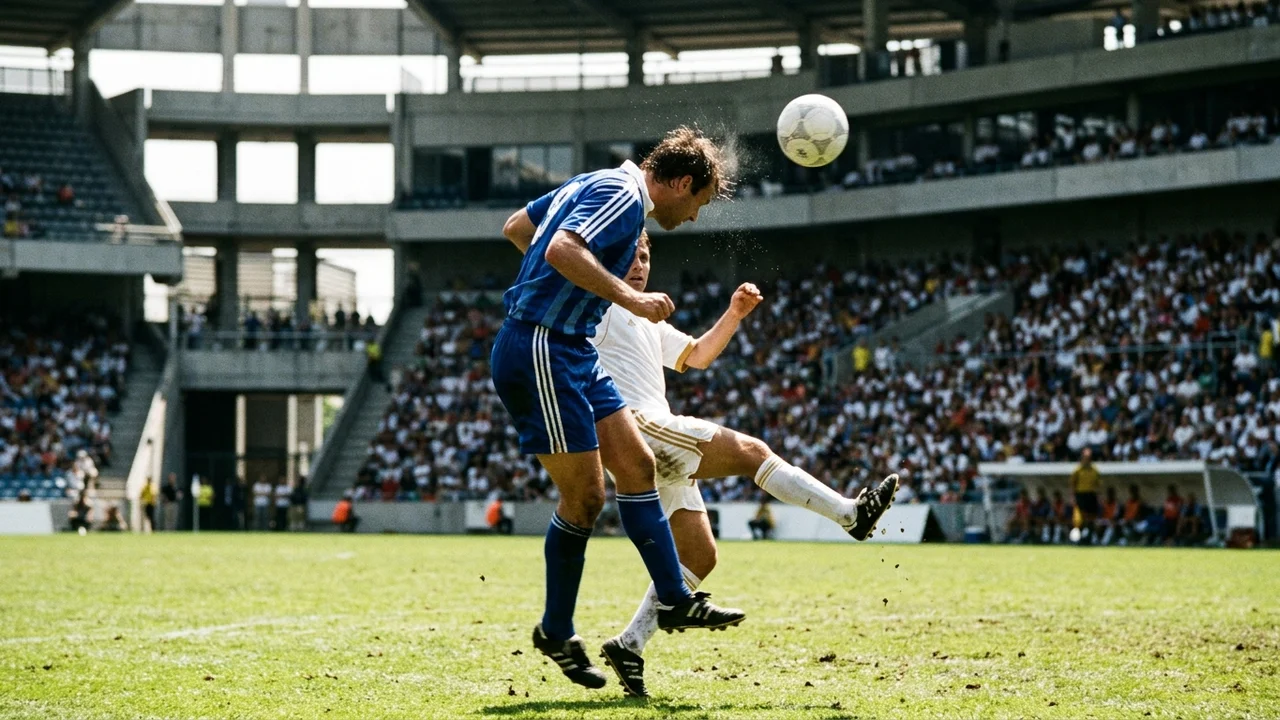
- Biomechanical analysis of headers: Optimizing jump height, timing, and body positioning.
- Adaptive tactics based on live data: Altering corner routines mid-game as opponents reveal new defensive tendencies.
- Incorporation of surprise elements: Fake short corners or sudden shifts to open play.
- Synergies between key players: Synchronizing runs between target men and in-runners for optimal impact.
| Tactical Innovation | Implementation | Result Observed in Group G Matches |
|---|---|---|
| Variable Corner Types | Mixing outswingers, inswingers, short corners | Confuses defenses and increases successful conversion rates for Algeria and Cameroon |
| Advanced Player Positioning | Assigning specific zones to aerial specialists like in the Uganda team | Higher header success rates and more goals from corners |
| Real-time Tactical Adjustments | Changing corner tactics mid-game based on opposition setups | Improved goal conversion under pressure for Mozambique |
| Fitness and Footwear Impact | Leveraging technology from leading brands for better jump and pace | Visible improvement in contested aerial duels and corner delivery accuracy |
Teams eyeing certain African Football HQ insights reflect on the blend of tactics and talent crucial to corner success during these qualifiers—delving deeper can be found at this dedicated tactical analysis.
Player and Team Profiles Highlighting Success in Corner Conversion Across Group G
Behind these sophisticated metrics lie stories of players whose aerial prowess and tactical intelligence define their nation’s corner fortunes. Players wearing Nike and Adidas boots dominate air battles, their timing and precision honed to perfection against the unforgiving qualifiers’ pace and physicality.
Take Algeria’s key attacker, whose Puma boots strike the turf with a balance of power and grace, consistently converting corners through pinpoint headers or volleys. On the flip side, Uganda’s well-drilled squad, guided by numerical analysis and clad in Reebok and Asics gear, emphasize positional discipline and opportunistic finishes, often outwitting taller defenders with timing and clever movement.
Teams like Mozambique or Botswana leverage emerging talents, blending youth’s spontaneity with analytic insight to elevate corner kick success. Player conditioning enhanced by Umbro and Mizuno footwear innovations helps sustain high-energy runs and accurate finishes from these set-piece situations.
- High xG contributors: Identifying players consistently scoring or assisting from corners.
- Set-piece specialists: Players trained extensively in rehearsed corner delivery and movement.
- Defensive resilience: Teams showcasing strong clearing ability and tactical marking on opponents’ corners.
- Emerging talents: Young players disrupting established patterns with unexpected runs and finishes.
- Footwear and comfort synergy: Impact of brands ensuring peak player performance during corners.
| Player | Team | Footwear | Role in Corners | Key Metric (2025 Quantified) |
|---|---|---|---|---|
| Riyad Mahrez | Algeria | Puma | Corner taker and occasional header threat | Corner assists: 6, Conversion rate: 15% |
| Emmanuel Okwi | Uganda | Reebok | Primary target for aerial duels | Goals from corners: 4, Clearances won: 18 |
| Salif Coulibaly | Mozambique | Umbro | Defensive anchor during corners | Defensive clearance rate: 85% |
| Nemanja Gudelj | Serbia | Adidas | Corner delivery specialist | Corner assists: 5, xG contribution: 0.25 per game |
Interpreting Corner Conversion Metrics to Inform Coaching and Fan Perspectives in Group G
The power of corner conversion metrics goes beyond the technical; it transforms how teams prepare, how coaches communicate, and how fans engage with the game’s subtleties. Group G qualifiers are often decided by razor-thin margins, where the difference between triumph and heartbreak can hinge on a corner’s outcome.
For coaches, these metrics act as tactical compasses—charting which set-piece patterns produce tangible advantages and which simply drain precious minutes and energy. Insights drawn from metrics help in roster selections, emphasizing players with the highest corner efficiency or defensive solidity.
Fans, too, gain a new lens to appreciate the skill, composure, and execution involved in every corner kick. Rather than dismissing these moments as routine, corner conversion metrics inject suspense and anticipation, highlighting that each delivery is a calculated gamble loaded with statistical backing.
- Strategic adjustments: Knowing when to change corner takers or routines based on metric trends.
- Enhanced player evaluation: Valuing contributions in corners as part of overall player impact.
- Fan engagement: Sharing analytic narratives to deepen connection and understanding of set-piece phases.
- Transfer decisions: Clubs target players with proven corner conversion metrics to bolster squads.
- Match analysis: Post-game reviews utilizing corner metrics to improve future performances.
| Application | Benefit | Example in Group G |
|---|---|---|
| Roster Optimization | Enhanced team performance by selecting players with high corner efficiency | Algeria’s squad adjustments during qualifiers based on corner metrics |
| Match Preparation | Developing corner attack patterns that maximize scoring chances | Cameroon’s training sessions focusing on near-post delivery routines |
| Fan Insight Tools | Graphs and data visualizations to engage and educate supporters | Serbia’s social media campaigns sharing corner analytics highlights |
| Scouting and Transfers | Use of corner metrics to identify undervalued potential signings | Uganda’s recruitment focusing on players with exceptional set-piece stats |