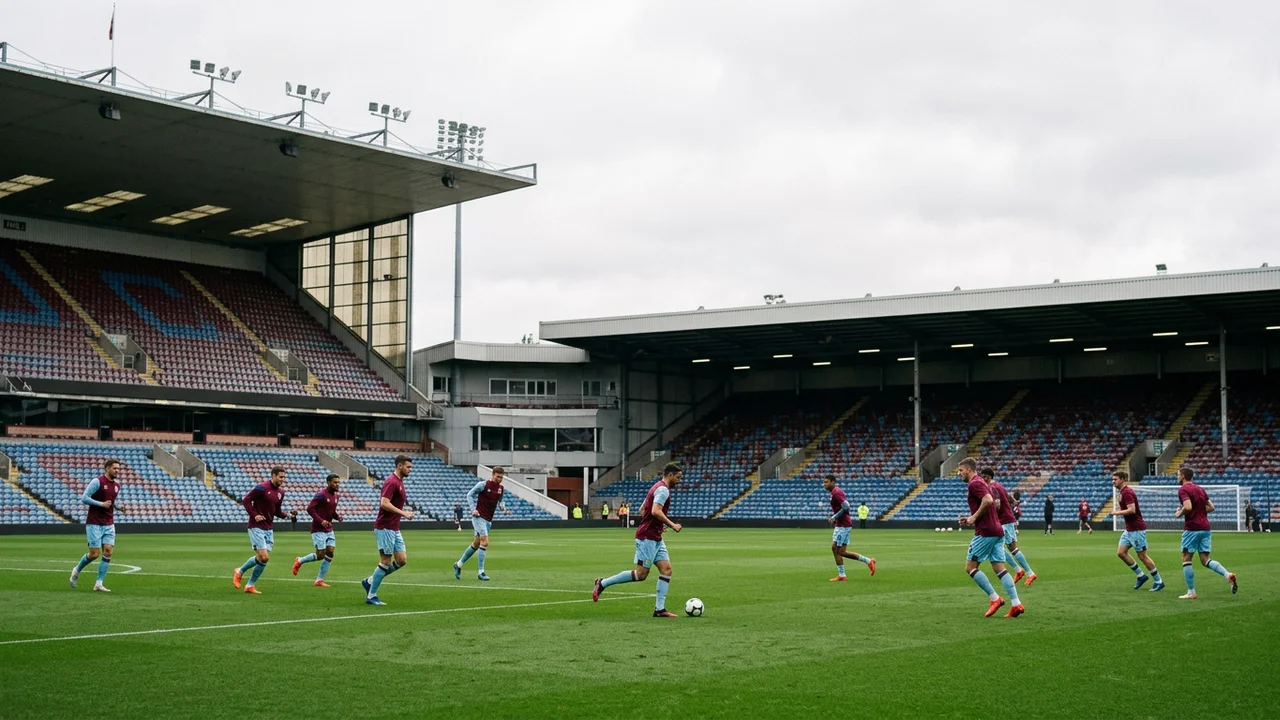
The football world has been abuzz with speculation and uncertainty regarding the scheduling and organization of the 2025 Africa Cup of Nations (AFCON). After months of intricate discussions and mounting rumors, the Confederation of African Football (CAF) has finally laid to rest doubts by confirming the tournament will proceed as planned from December 21, 2025 to January 18, 2026 in Morocco. This decision aligns with a broader strategic move to accommodate congested football calendars and player welfare, particularly with the increasing challenges posed by overlapping international and club competitions. While the men’s 24-team event is set to electrify the continent through the festive period and New Year’s celebrations, the women’s Africa Cup of Nations (WAFCON) has been postponed until July 2025, again in Morocco, illustrating the complex balance CAF needs to strike between promotion and logistics across genders. These arrangements underscore the evolving dynamics within African football, a world rich with passion, rivalry, and emerging talent competing under the sporting banners of powerful brands like TotalEnergies, Nike, Puma, Adidas, Pepsi, Guinness, Umbro, Dstv, and Coca-Cola. With qualifying rounds, team placements, and tactical narratives already taking shape, the 2025 AFCON promises to bring not only elite competition but also a showcase of Africa’s historic influence on the global football stage.

AFCON 2025 Schedule and Venue: Navigating Football’s Complex Calendar
The decision to stage the 2025 Africa Cup of Nations from late December 2025 to mid-January 2026 marks a historic shift. For the first time ever, the continent’s premier football tournament will unfold over the Christmas and New Year period. This move, orchestrated after intense consultations between CAF, FIFA, UEFA, and the European Club Association, was aimed at resolving the perennial “club versus country” disagreement that has long plagued African football. Previous editions, such as those held in January and February, sparked friction as European clubs were reluctant to release top African players mid-season. In contrast, the initial plan to hold AFCON in June-July was scrapped due to clashes with FIFA’s revamped Club World Cup and the congested summer football calendar.
This shift carries several implications for fans, clubs, and the players themselves. Hosting AFCON during the NFL’s festive period in Europe and key Premier League matches causes overlap but also offers a unique chance for African football to capture global attention when football fever runs high worldwide. Morocco, the host nation, also benefits from favorable weather conditions during this period, thereby ensuring quality performance environments. The country’s well-established infrastructure, having successfully hosted several major tournaments, including the 2022 AFCON and WAFCON, lends confidence to the smooth execution of the event.
Key points in this rescheduling include:
- The 24 qualified men’s teams will compete across multiple Moroccan cities, with Morocco’s national team automatically qualified as hosts.
- The qualifying draw is scheduled for July 4, 2025, setting the stage for intense rivalries early in the season.
- The tournament overlaps with critical phases in European club competitions, heightening the drama around player availability and club cooperation.
- CAF’s commitment to player welfare seeks to balance competitive integrity with club responsibilities.
While this arrangement answers some challenges, it also fuels debate about how African football can continue to assert its place on the global scene amid increasingly congested calendars. The management of player availability by clubs and national teams will remain a pivotal storyline in the lead-up to the tournament. For a passionate fan base eager to witness legends like Mohamed Salah showcase their best, the stakes could not be higher.
| Key Dates for AFCON 2025 | Event |
|---|---|
| July 4, 2025 | Qualifying draw for 2025 AFCON |
| September – November 2025 | AFCON Qualifying matches |
| December 21, 2025 | Tournament kickoff in Morocco |
| January 18, 2026 | Final match and trophy presentation |
CAF’s Strategic Approach to Player Welfare and International Cooperation
CAF’s proactive engagement with international football bodies reflects a mature and strategic approach to the challenges facing African footballers dispersed across global leagues. Unlike in prior times when AFCON’s mid-season timing strained player participation, recent actions demonstrate an evolution. By coordinating with FIFA and UEFA, CAF aims to optimize the competition’s timing to minimize conflict and to respect club concerns, all while harnessing the immense momentum generated by Africa’s football pride.
The implications of this cooperation stretch beyond scheduling. It involves safeguarding African talents playing in top European leagues under brands such as Nike, Puma, and Adidas, who are not only athletes but also global ambassadors of African football culture. The wider football calendar, including marquee events like the expanded FIFA Club World Cup and the 2026 World Cup in North America, demands intricate planning to sustain visibility and participation.
- Engagement between CAF, UEFA, FIFA, and clubs across Europe to harmonize calendars.
- Technical and medical protocols to ensure player peak performance and injury prevention.
- Activation of sponsorship partnerships with TotalEnergies, Coca-Cola, and Guinness focused on enhancing fan experience and tournament branding.
- Leveraging media and broadcast partnerships through Dstv to maximize reach across Africa and globally.
These efforts not only emphasize the logistical challenge but also the cultural importance of AFCON as an event that transcends sport. Player availability impacts team strategies and competitive balance, shaping the very narrative of the tournament and, by extension, the continent’s football identity. The careful balancing act CAF performs illustrates the organisation’s respect for both football heritage and future prospects, echoing in discussions on CAF competitions and their success secrets.
Qualification Drama and the Rise of African Football Talents
With the 24 teams for the 2025 AFCON finalized, the qualification processes also shine a spotlight on the shifting landscape of African football. The path to AFCON is not just about booking a ticket; it’s a fierce stage of drama, opportunity, and resilience. For instance, Mozambique clinched a thrilling final qualification spot after defeating Guinea-Bissau 2-1, highlighting the fierce competition at every stage.
The qualifiers scheduled from September to November will see emerging nations and traditional powerhouses battle it out, encapsulating football’s emotional highs and lows across the continent. This year’s AFCON qualifiers are expected to be particularly intense considering the evolving tactical approaches African teams have adopted, influenced heavily by successful clubs and football legends who continue to inspire. Players are emerging as stars, carrying dreams that stretch beyond their communities — from barefoot kickers in Senegal to club heroes in Europe.
- Teams will face off in group stages with intense rivalries reignited, such as the historical duels between Egypt and Morocco.
- Players from all over Africa wearing kits sponsored by Umbro, Nike, and Puma showcase the game’s growth and commercial appeal.
- Coaches aim to develop flexible tactical systems to handle tight schedules and player fitness.
- Fans engage through platforms provided by Dstv and social media campaigns supported by Pepsi and Guinness, enhancing the communal football experience.
| Qualified AFCON 2025 Teams | Notable Achievements |
|---|---|
| Morocco (Host) | Automatic qualification and strong title contenders |
| Mozambique | Qualified after crucial victory over Guinea-Bissau |
| Ivory Coast | Three-time continental champions aiming to defend legacy |
| Nigeria | Consistent finalists and fan favourites |
| South Africa | Emerging talents with recent WAFCON success |
These narratives are complemented by deep dives into African football legends and the impact of their monumental careers that still influence the game’s philosophy and fan bases today. Stories of heroes such as Didier Drogba and Samuel Eto’o inspire new generations, connecting identity and football heritage. As fans read about these moments through sites like African football legends’ impact, they grasp the magnitude of the AFCON journey.
Women’s AFCON Rescheduling: Challenges and Progress in African Football
While the men’s tournament moves forward, the Women’s Africa Cup of Nations experienced a setback, with the 2024 edition postponed to July 2025. This decision, though controversial, reflects the persistent complexities surrounding the prioritization of women’s football on the continent.
The postponement, influenced partly by the scheduling clashes with the Olympics and resource allocation, impacts players and coaches who waited over 18 months after qualification concluded. Figures like Nigerian international Desire Oparanozie have publicly expressed concerns that such delays could undermine progress. However, CAF under President Patrice Motsepe has reaffirmed a strong commitment to women’s football development, acknowledging the enormous growth and potential in this area.
- Challenges include overlapping calendars with global events like the Olympics and the congested club schedules worldwide.
- Strategic hosting of the WAFCON in Morocco for the second consecutive time underlines Morocco’s key role in African football development.
- Initiatives by CAF and partners aim to boost visibility and commercial viability, including support from Coca-Cola and Umbro.
- Growing media coverage through Dstv ensures the women’s game reaches wider audiences, raising awareness and inspiring future talents.
This situation throws light on broader questions about investments in women’s football, the need for prioritization, and sustained support to overcome historical neglect and cultivate a more balanced football culture across Africa. An understanding of these dynamics frames the overall narrative of African football’s evolution, as discussed on platforms dedicated to football culture growth and equity.
Brand Power and Media Influence in AFCON 2025’s Global Spotligh

The 2025 AFCON is not just a sporting event; it is a massive cultural and commercial spectacle. Sponsorship and media play a crucial role in shaping perceptions and elevating the competition into a global showcase. Leading brands such as TotalEnergies, Nike, Puma, Adidas, Pepsi, Guinness, Umbro, Dstv, and Coca-Cola not only back the tournament financially but actively participate in augmenting the fan experience and promoting African football talent internationally.
These partnerships facilitate:
- Extensive media coverage including live broadcasts, highlight reels, and engaging fan content distributed across Africa and the world.
- Merchandising and official kit sponsorships that blend African design heritage with global sportswear trends.
- Grassroots initiatives supported by sponsors to nurture future football stars and expand local football communities.
- Social media campaigns and interactive platforms that allow fans to connect, celebrate, and amplify their football passion.
| Major AFCON 2025 Sponsors | Contribution to Tournament |
|---|---|
| TotalEnergies | Main tournament sponsor, fueling African football’s growth |
| Nike, Puma, Adidas | Official kit suppliers, designing for performance and style |
| Pepsi, Guinness, Coca-Cola | Marketing campaigns and fan engagement activities |
| Dstv | Broadcasting and extensive media coverage across Africa |
| Umbro | Supporting youth and grassroots football initiatives |