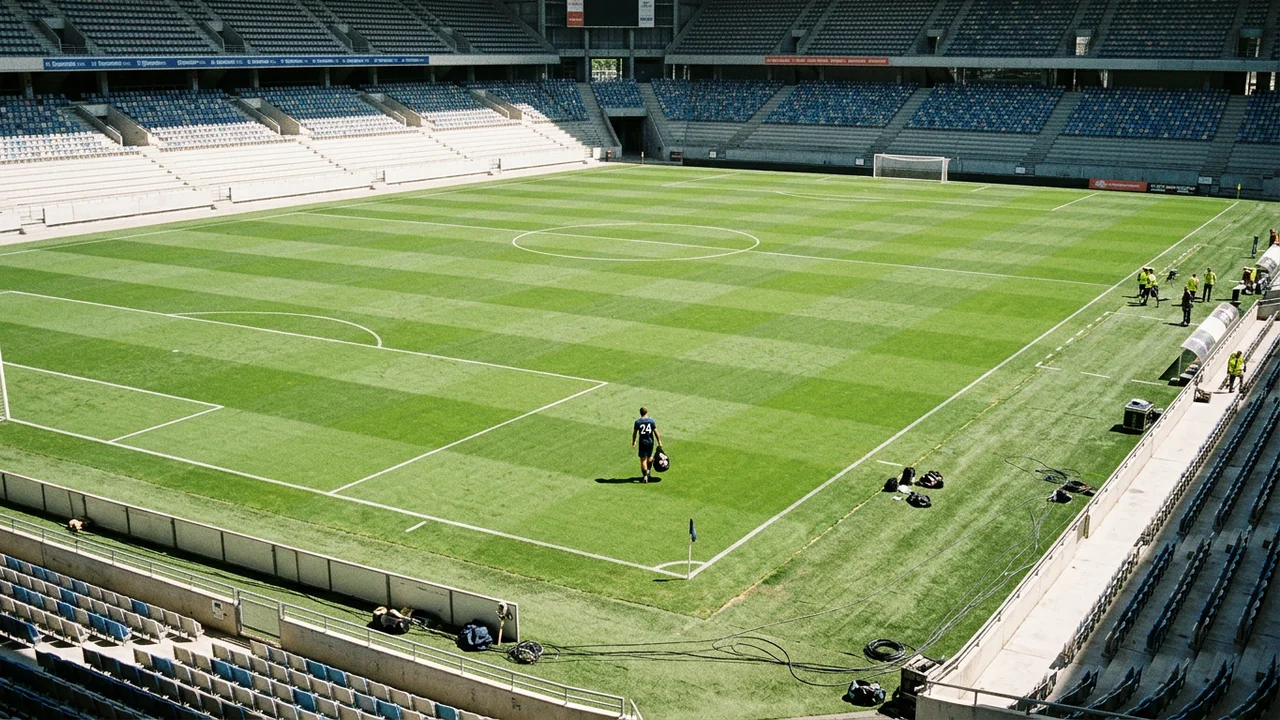
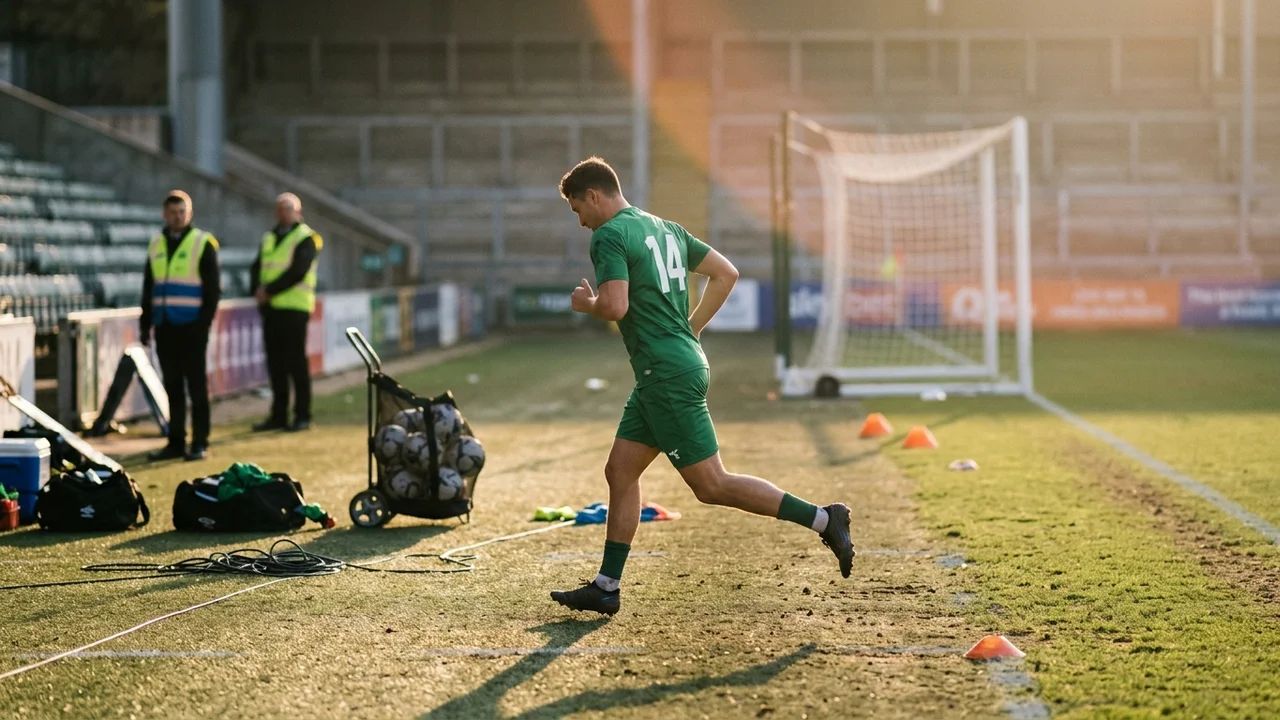
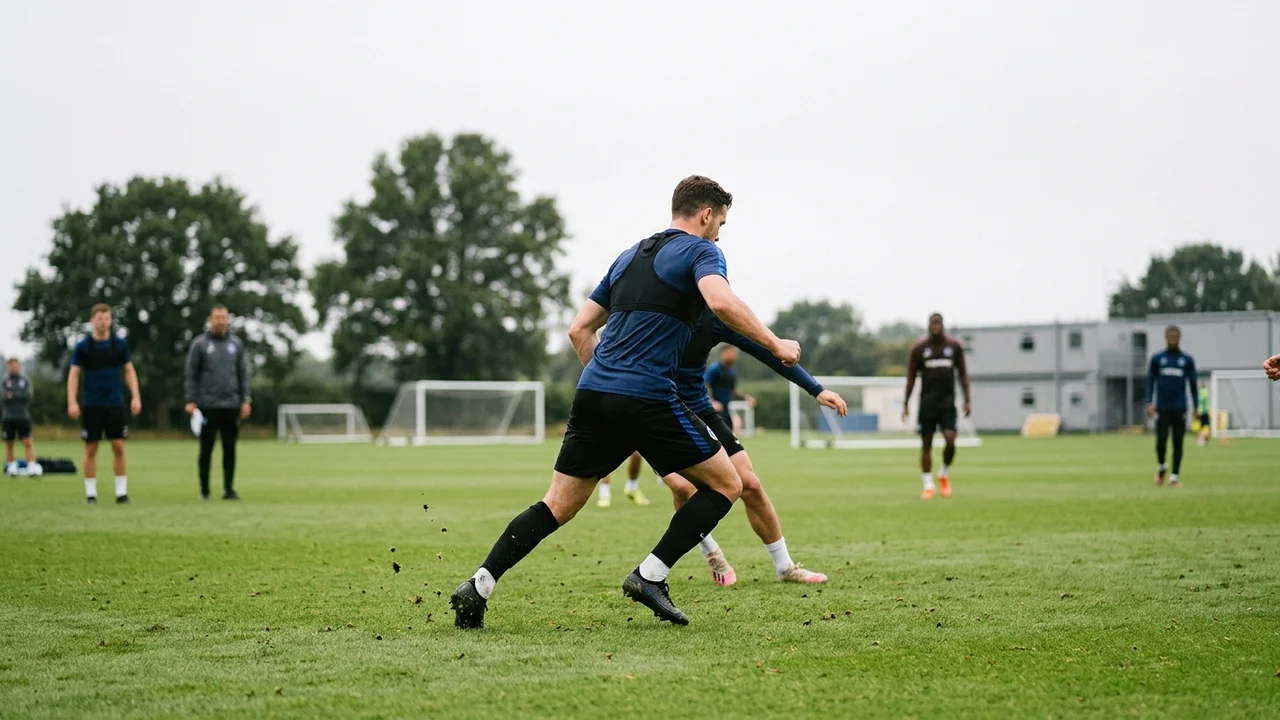
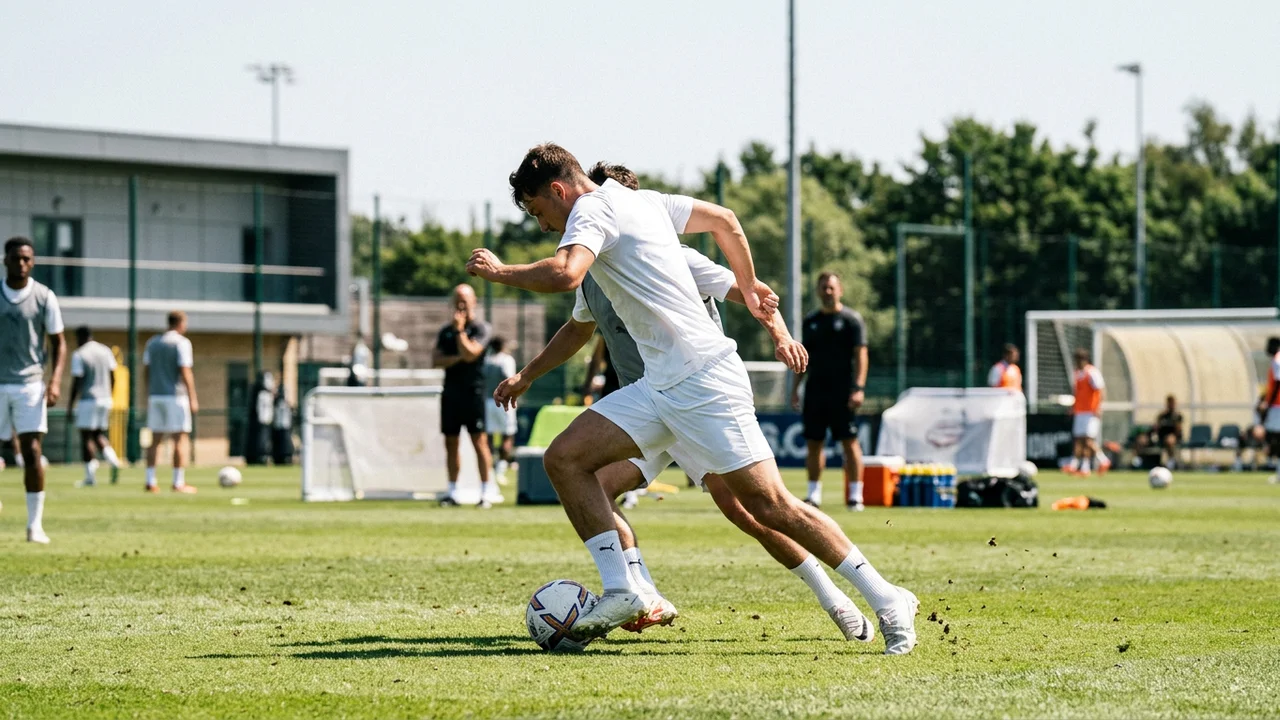
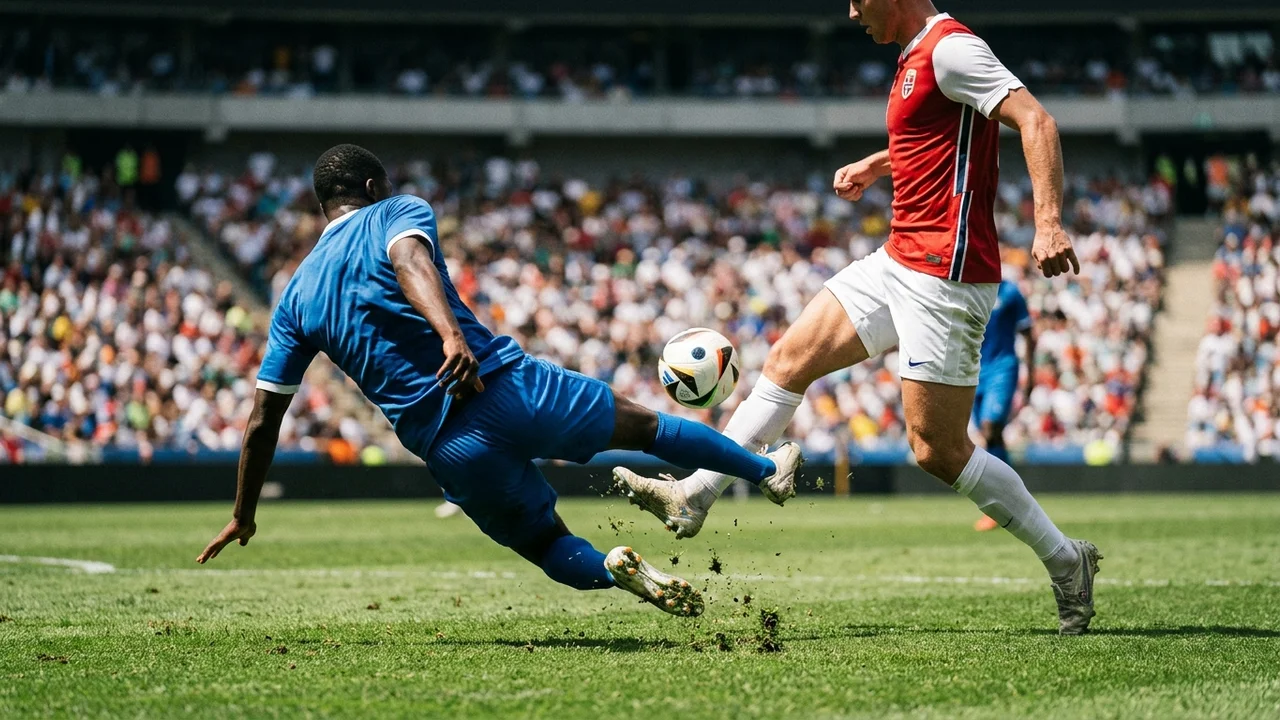
In a pulsating Group A finale at the 2025 FIFA U-20 World Cup in Chile, Egypt secured a hard-fought 2–1 victory against the host nation to wrap up their group stage campaign with pride and promise. The match, marked by a tenacious comeback and a dramatic stoppage-time winner, encapsulated the unpredictable thrill of youth football at its best. With both teams fighting not just for points but for survival and legacy, the contest served as a microcosm of ambition, youthful zeal, and the fine margins that define the journey to football greatness.
Key Takeaways:
- Egypt rallied from behind to claim a 2–1 victory with a stoppage-time goal, exhibiting resilience and tactical adaptability.
- Chile’s spirited performance kept the hosts in contention, revealing the strengths and vulnerabilities of their U20 squad on home soil.
- The outcome left Egypt just short of automatic qualification due to fair play criteria, underscoring the crucial role of discipline in tournament progression.
- The match highlighted emerging stars worthy of attention from clubs like Adidas, Nike, and Puma, showcasing talents hungry to leave their mark on the global stage.
- Strategic implications for both African and South American football were clear, with these youth encounters shaping the future narrative of both continents’ footballing ambitions.

Thrilling Tactical Battle: How Egypt Secured a Narrow 2–1 Victory to Close Their Group A Campaign
When Egypt met Chile on that electric evening in Santiago, it was more than just a match—it was a tactical chess game where every move bore weighty consequences. From the outset, Chile sprang to an early lead, taking advantage of home support and a confident offensive setup. Their initial goal stunned the Young Pharaohs but also ignited a resilient spark. Egypt’s coaching staff quickly adjusted, modifying formation and pressing strategy to destabilize Chile’s rhythm.
The match exhibited several key tactical themes:
- Midfield control: Egypt’s midfield trio adapted their roles dynamically to cut off passing lanes, crucially disrupting Chile’s buildup and transition phases.
- Wide play and counter-attacks: Egypt exploited the flanks expertly, mixing fast breaks with measured buildup that eventually paid dividends in both equalizing and winning goals.
- Set-piece mastery: Both teams had sporadic chances from corners and free-kicks, symbolizing their preparation and understanding of such decisive moments.
- Game management under pressure: Egypt’s discipline in the dying minutes showed composure, turning adversity into opportunity with a stunning stoppage-time strike.
Beyond tactics, the game was a vivid illustration of the symbolic power football holds for nations and their youth programs. Egypt’s victory was not just a scoreline but a statement of their rising competency in nurturing footballing talent—a vital narrative for African football’s global evolution. For Chile, the match was a clash of fierce determination, hosting a World Cup with every player embodying the hopes of a passionate fanbase.
| Team | Goals | Key Players | Pass Accuracy | Shots on Target | Disciplinary Record |
|---|---|---|---|---|---|
| Egypt | 2 | Omar Khidr, Youssef Amr, Saeed Attia | 82% | 7 | 4 Yellow Cards |
| Chile | 1 | Ignacio Fernández, Luis Ruiz, Diego Vega | 79% | 9 | 2 Yellow Cards |
Emerging Talents from Egypt and Chile: Stars to Watch in the Global Football Arena
The U-20 World Cup represents a stage where future legends begin their ascent. For Egypt and Chile, this battle was a showcase of raw skills and tactical intelligence manifesting in the players’ performances. Several figures stood out, embodying the vibrant pulse of youth football and hinting at promising professional careers likely to attract the interest of brands like Adidas, Nike, and Puma, all known for scouting and nurturing promising talent globally.
- Omar Khidr (Egypt): His late winner was no fluke. Khidr combined pace, vision, and clinical finishing—qualities that define a forthcoming star. His ability to perform under pressure makes him a crucial asset in Egypt’s future lineups.
- Youssef Amr (Egypt): Amr’s midfield dynamism and tenacity were vital in crafting Egypt’s comeback. His distribution and tactical awareness position him as a key playmaker.
- Ignacio Fernández (Chile): The captain and creative fulcrum for the Chilean side, Fernández’s leadership and skill kept Chile in the game. His performances could pave pathways to bigger leagues and sponsorship deals with companies like Coca-Cola and Visa, which often align with sports ambassadors.
- Luis Ruiz (Chile): A physical midfielder with an eye for breaking play and a penchant for long-range efforts, Ruiz displayed grit and technique.
These players symbolize more than individual talent—they reflect the broader movement within African and South American football development. Their crafting at youth levels signals evolving academies, better scouting, and enhanced competition fostering football’s rich ecosystem.
| Player | Position | Club Affiliation | Key Stats (U20 WC 2025) | Potential Endorsements |
|---|---|---|---|---|
| Omar Khidr | Forward | Al Ahly SC | 3 Goals, 2 Assists | Adidas, Gatorade |
| Youssef Amr | Midfielder | Zamalek SC | 2 Goals, 3 Key Passes | Nike, Samsung |
| Ignacio Fernández | Midfielder | Colo-Colo | 1 Goal, 4 Assists | Coca-Cola, Visa |
| Luis Ruiz | Midfielder | Universidad de Chile | 1 Goal, 1 Yellow Card | Puma, Qatar Airways |
Witness the breathtaking moments of Egypt’s glorious fightback and the key plays that defined this gripping U20 World Cup clash. Every goal and tactical shift captured with passion and clarity.
Discipline and Fair Play: The Fine Margins That Shaped Group A Qualification Outcomes
In tournament football, every yellow card can be worth more than a moment of frustration; it can define a team’s destiny. Egypt’s thrilling win came at a bittersweet cost: despite the compelling victory, they missed automatic advancement due to inferior fair play records compared to Chile. This development opened a dialogue about discipline’s role in youth competitions and the weight of sportsmanship policies implemented by FIFA and embraced by sponsors such as Pepsi and Hyundai, which emphasize integrity and respect.
- FIFA Fair Play Criteria: This metric evaluates disciplinary records to break ties on points, goals, and head-to-head results. Egypt’s four yellow cards counted heavily against them versus Chile’s cleaner record.
- Impact on Teams: Striving for aggressive, passionate football is essential, yet maintaining composure proves equally vital to ensure progression.
- Broader Implications: For young players, learning discipline isn’t just a rulebook exercise; it’s a lesson in professional attitude, aligning well with expectations from global sponsors like Coca-Cola who promote positive athlete behavior.
- Fair Play as Developmental Cornerstone: Programs that nurture fair play habits contribute to polished global stars, combining talent with character.
This scenario serves as a wake-up call for teams across continents, reminding that football’s beautiful game is as much about skill and strategy as it is about respect for the rules and opponents.
| Team | Yellow Cards | Red Cards | Fair Play Points | Group A Standing |
|---|---|---|---|---|
| Egypt | 4 | 0 | 10 Points | 3rd Place (Missed Automatic Qualification) |
| Chile | 2 | 0 | 13 Points | 2nd Place (Advanced) |
Egypt’s disciplined approach moving forward will be vital in international competitions, a lesson echoed among African football academies seeking to balance fiery passion with control and professionalism. For more insights on rising talents within African football, explore this detailed guide to African football stars.
How Youth International Tournaments Fuel the Growth of African Football on the World Stage
The U-20 World Cup acts as a powerful global stage where nations showcase their investments in youth development. Egypt’s recent campaign, culminating in this challenging fixture against Chile, offers valuable insights into the astonishing progress African football continues to make. These platforms reveal much more than just results—they signal shifting paradigms and ambitious futures for African football.
- Developmental Pathways: African nations like Egypt have established youth academies that emphasize skill, tactical intelligence, and physical robustness. This evolution from grassroots to professional levels is critical for continuing the continent’s legacy, inspired by icons like Didier Drogba and Samuel Eto’o.
- Enhanced Scouting and Sponsorship: International tournaments attract attention from global brands such as Samsung and Qatar Airways, eager to support and associate with emerging markets and youthful potential.
- Exposure to Diverse Styles: Competing against teams like Chile exposes African youngsters to varied tactical and technical approaches, broadening their horizons and sharpening adaptability.
- Inspirational Impact: Success stories from such tournaments inspire communities back home and young aspirants, fueling a deeper cultural integration of football as a route to socio-economic advancement.
Analyzing Egypt’s performance and spirited comeback against a formidable Chile side demonstrates that African football is not just catching up; it’s pushing for the frontlines of global competition. Programs focusing on youth talent carry the torch forward to shape future champions and legends, blending discipline, skill, and emotive passion into a potent mix.
| Aspect | Impact on African Football | Examples |
|---|---|---|
| Youth Academy Investment | Increased talent pools and professional readiness | Al Ahly SC Academy, Right to Dream Academy |
| International Exposure | Enhanced tactical understanding and resilience | Participation in FIFA U-20 World Cups |
| Sponsorship and Partnerships | Financial and infrastructural support | Associations with Adidas, Qatar Airways |
Explore how grassroots and elite youth systems on the continent are reshaping the future of African football with cutting-edge training, mentoring, and sponsorship support.
The Unyielding Spirit of U20 Competitors: What Egypt’s Victory Reveals About African Football’s Heartbeat

Beyond tactics, sponsorships, and disciplinary considerations, the essence of this match between Egypt and Chile lies in the spirit that drives under-20 competitors to transcend limits. For African football enthusiasts, this spirit is a mirror reflecting courage, hope, and the unbreakable will to achieve glory against all odds.
- Resilience in Adversity: Egypt’s comeback from behind symbolized the mental toughness honed through years of preparation and cultural pride in football.
- Team Unity and Identity: The Young Pharaohs displayed collective effort, reinforcing that football is a shared journey bound by common goals and mutual trust.
- Inspiration for Future Generations: These performances ignite dreams across African nations where young talents see a pathway to greatness beyond local challenges.
- Connection with Global Football Culture: Aligning with football’s biggest brands like Nike and Coca-Cola helps African youths envision themselves on the world stage, embrace professional values, and enter football’s storied community.
Each moment, from the electrifying goal celebrations to the intense regards in midfield duels, tells a story far greater than a mere fixture. It is a testimony to football’s role as a cultural and emotional force in African society—a journey of identity, pride, and ambition written in sweat and heartbeats.
| Theme | Description | Example |
|---|---|---|
| Resilience | Bouncing back from setbacks with determination | Egypt’s late winning goal against Chile |
| Unity | Strong team cohesion on and off the field | Collaborative defensive and attacking moves in crucial moments |
| Inspiration | Motivating young players and fans continent-wide | Rise of African stars from grassroots academies to international recognition |